

Is it a Night Terror….or a Nightmare?

If your child wakes up crying or screaming in the night, it could be due to a nightmare or a night terror. But how do you tell the difference?
Nightmares typically happen during REM sleep. Your child can be woken up and calmed down. He may be able to remember what the dream was about. Once he is calm and feels secure, sleep should return pretty quickly.
Night terrors are a bit different. They are more dramatic and typically occur during deep, non-REM sleep. Our daughter, Catherine, had night terrors that always happened 2 to 3 hours after she had fallen asleep. She would scream and thrash around in her bed. Sometimes she would sit up or even try to walk around. Unlike a nightmare, she would have no memory of it the next day.
We made the mistake of trying to wake her up during the first night terror. It’s best to just wait it out. Trying to wake the child can result in him becoming even more disoriented and confused; he may take a really long time to fall back asleep.
I have learned that sleep disturbances are hereditary; about 80% of people who have night terrors have a family member who also experienced them, or was/is a sleepwalker. Catherine not only had the night terrors as a toddler, but began to sleepwalk occasionally as an adolescent.
Does all this have something to do with the child’s personality? Maybe. Catherine is one of our most emotional and sensitive children; it doesn’t surprise me that she would be the one to experience these dramatic and tearful sleep disturbances.
If you are wondering what causes night terrors, these are a few possible triggers:
- Being overly tired
- Change in routine
- Stress or anxiety
Does anyone in your family experience night terrors or nightmares?

Can Breastfeeding Hurt Even When You’re Doing it Right?

If you’ve always heard that breastfeeding shouldn’t hurt if you’re doing everything right, I’m here to tell you from personal experience that it just isn’t true. Putting aside the typical causes of pain which DO indicate something is being done wrong (bad latch, poor positioning, tongue tie, etc.), let’s look at some of the other reasons even the most experienced nursing mother may suffer from pain.
Letdown: It can hurt when your milk lets down. For me, it hurts for the first two or three months and then changes from pain to mild discomfort which lasts for the duration of the nursing relationship. This is something I know is normal (for me) and I’ve just gotten used to it. I’m not doing anything incorrectly. It’s just the way I am. Why is the milk ejection reflex painful for some women? It can be caused by overactive or forceful letdown which swells the tissue and causes temporary pain. It might just have to do with your physiology and how you respond to the initial surge of milk.
Toughening Up: Some women have to go through a gradual process of becoming accustomed to the sensation of nursing, and it can be painful. I’m not talking about a few days of soreness at the beginning. I’m talking weeks of pain as your body adjusts and the baby’s breastfeeding skills improve. Again, nobody is doing anything wrong; it’s just a process. If you tend to have very sensitive skin, then the toughening up phase might take longer than usual.
My tips for comfort measures: Try numbing yourself with an ice cube before letting your hungry newborn latch on. Take a deep breath and hold it in when they first start feeding; release your breathe slowly as everything softens and letdown begins. Try alternating ibuprofen and acetaminophen on really hard days. Drag out your breast pump if you just cannot face another nursing session without crying. Pure lanolin ointment can help.
Growing Up. Some newborns start life with a very small mouth. And some mothers have large “parts.” What that means is even a baby with a good latch can cause his mother pain simply because it’s hard to get everything in his mouth. Be patient because as your baby grows; things will get more comfortable. In the meantime, you can help yourself and baby out a little by making a “breast sandwich,” as our family doctor humorously calls it. Elongate and narrow the areaola by grasping the breast between your thumb and fingers and pull back towards your chest wall. This will help baby get more in his/her mouth during latch-on.
And after latching on, do the Dr. Sears lower lip flip, multiple times if you need to, for a more comfortable feeding.
Teething: My babies teeth miserably. It’s hard for them and painful for me. Gumming, bearing down, biting and pulling on and off really take their toll on the nursing mother, and yet teething is perfectly normal and natural. Since teething goes on for quite a while, you can’t rely on 24/7 pain medication for you OR your child. And what baby will happy with a teether or cold rag throughout the day and the night? After 10 children, I haven’t found much at all in the way of relief; early teething is a phase that I just try to grin and bear.
Hormones. Despite nursing, your cycles may return or “try” to return. And hormones can cause pain in the pre-menstrual phase and during ovulation. It hurts, but it’s normal. The pain might be localized, and just on one side, leading you to mistake it for a plugged duct. Or you may have all over tenderness on both sides. Thankfully, it subsides without any treatment within a day or so, and will likely return again with the next cycle. Moist heat and mild pain relievers can be helpful.
Thrush: This is a painful condition that has nothing to do with your nursing technique or baby’s latch. Thrush, also called candida or yeast, usually appears on the surface, but can settle deep inside if not treated (ouch!). Signs of thrush include: burning or stinging pain, a pinkish or red appearance, itching, throbbing or stabbing pains inside (especially between feeds), and a case of thrush in your baby’s mouth or diaper. Thrush can be tough to beat, but I’ve always had success with Dr. Newman’s protocol. You’ll need a compounding pharmacy to make up the ointment for you.
I wrote this post because so many women give up on nursing because of unexplained pain. If you’ve tried all the usual tips and techniques, and everything looks good, then you might be very discouraged by continued discomfort. Hopefully, my post will help you to see that some pain can be normal, and in many cases, time will alleviate it. So hang in there, if you can, and nurse as long as you can. It’s so good for your baby!
Are you experiencing pain while nursing even though you and baby are doing everything by the book? Do you have any tips or encouragement to share?

6 Cloth Diapering Secrets for Beginners

Well, ok, they aren’t really secrets, but they are certainly things that I didn’t know when I was first starting out. If you have questions after reading this post or want to chat, please leave me a comment below or use my email form.
Cloth is not all or nothing.
Good news: you don’t have to jump in and start full time. Start slow. Buy a day’s worth of diapers. Buy half a day’s worth. Keep using your disposables right along with cloth diapers until you have made a decision.
A lot of moms go into panic mode asking “What do I buy?? There are too many choices!!” There’s no need to buy a whole system when you’re not even sure what will work best. Try a few different brands first (check this list for stores that ship cloth diapers for free). Consider a cloth diaper trial program or a sampler package. Yes, of course I’d love for you to discover your favorite diaper by reading one of my 100+ reviews, but blog posts have their limitations. Sometimes you just have to jump in, pick a few brands to try and get some hands-on experience. Then you can start your own blog and we can swap stories. 😉
Handy tip: if you want to cut your teeth on a cloth diaper that is as close to a disposable as possible, and therefore extremely easy and convenient, get some AIO (All-In-One) diapers. And no, they aren’t all expensive. The Imagine Stay Dry AIO from Nicki’s Diapers (aff) is one of my favorites and it’s only $10.95.
Avoid Cheap Diaper Pitfalls
It can be tempting to buy a huge stash of cheap, imported pocket diapers because of price and quantity, but buyers should be aware of potential drawbacks. Some of these diapers are illegal knock-offs. Others are re-brands without good customer service to back them up. Many will take weeks to ship. If you want to go the pocket diaper route, there are many stateside options to choose from without paying an arm and a leg. And you’ll have the peace of mind that comes from buying from a reliable and trusted American retailer. Co-ops can be reputable, but make good and sure they are honest, fair and cost-effective. Will you have prompt redress if there is a defect or problem? It’s also possible that your purchase won’t fall under Paypal’s buyer protection.
Secondhand is not Second Best
It’s ok to buy used diapers. Sanitize them upon receipt if putting another baby’s undies on your child gives you the heebie jeebies. You’ll save SO much money, especially if you’re looking for a lot of different brands and styles to try. My two favorite places to do this easily, and with confidence, are Facebook and Cloth Diaper Trader. I have been buying and selling diapers for five years now and only recall one “bad” experience, and it was actually with a buyer (she didn’t like the smell of Tide that my diapers had been washed in). Buy and sell at sites that have a feedback system. Take screen shots and use Paypal to pay so you’ll get buyer protection. Sellers, describe and photograph everything in detail! Buyers, ask lots of questions before sending money!
A Setback is a Learning Experience
There is almost always a foible or two along the way. Laundry fails, leaky diapers and reactions to certain fabrics are par for the course. Learn the lesson and move on. Don’t let it spoil the experience. Use it as an opportunity to try something new.
You’ll Be a Pro Soon
There’s a learning curve to using cloth diapers; luckily, it’s a small one. I felt like a complete greenhorn at the beginning, but after just a few months into it, my confidence level was pretty high.
I promise that it won’t take long before you will start to feel like a pro. Parents are smart, adaptable and curious; these natural abilities will turn you into a expert in no time at all.
It Might Not Work
Cloth diapers require some time, research and upfront investment. When things don’t go as planned, all that effort and nothing to show for it may lead you to feel kind of like a failure. Don’t.
A few years ago, I tried baking all of our family’s bread. By hand. Mixing, kneading, rising, shaping….the whole nine yards. The bread was beautiful and we loved it. But I quickly learned that with 6 children (at the time) and homeschooling and blogging and animals to care for, I did not have the time and patience for it. Am I a failure? No. I’m practical and don’t want to bite off more than I can chew.
So I bought an electric bread maker. 🙂
Do what works best for your family! And it might not always be cloth diapers.

How to Determine Your Child’s Temperament

Common sense tells us there are different types of people in the world. You might even notice quite a variety in your own family. One child is quiet and serious while another is excitable and outgoing. Classical scholars developed the four temperaments to describe and better understand these differences in disposition and personality; the four temperaments have their root in the ancient Greek theory of humorism.
The four basic temperaments are: SANGUINE, MELANCHOLIC, PHLEGMATIC AND CHOLERIC
Traditionally, personalities were associated with the elements. I’ll mention those here with a brief description of each disposition. See how quickly you can spot your child among one of these! Many of us are a synthesis of two, but one will dominate.
The Playful Sanguine (Air): Quick to react, quick to “let it go.” The sanguine child is highly sociable, optimistic and fun-loving. His emotions run the gamut and can change very quickly. This child is easily distracted and flits from one thing to another. The sanguine is curious, highly sensual and loves sights, sounds, smells and all the variety the world has to offer. Your sanguine child can find a “best friend” in five minutes and will make other children feel loved and accepted. He is impulsive and may like to take risks; “look before you leap” is not in the Sanguine lexicon! Sanguines are often messy and disorganized. They have trouble controlling their emotions. But the Sanguine loves to please people and is thankfully quite easy to cheer up. A Sanguine child has a weakness for flattery, and loves to be praised. Criticism is often not contemplated very deeply, so it can be tough for a lesson to really “sink in” for this child.
The Perfect Melancholic (Earth): Slow to react, slow to “let it go.” Your melancholic child is reserved and analytical. He wants to do everything JUST RIGHT. He may appear to other children to be cautious, timid or unsure at first, but the melancholic does form true and lasting friendships. Highly sensitive with a strong sense of justice and fairness, the melancholic is prone to perfectionism and suffer pangs of disappointment if he falls short. This child is easily discouraged, holds on to grudges and has a memory like an elephant. Melancholics generally like organization; they like to gather information, sort things and make lists. This child fears taking risks and making wrong decisions. Being very sensitive to what others think, he doesn’t want to look foolish or incompetent. This fear of failure or embarrassment may especially hold him back from taking risks, trying new things or performing/making speeches. Melancholics love to learn and take in information; they devour books, recite facts and generally enjoy the idea of school work. Like the Sanguine, a Melancholic likes to please others. He also takes both praise and criticism deeply to heart. This is the child who often needs nothing more than a stern look or word for correction.
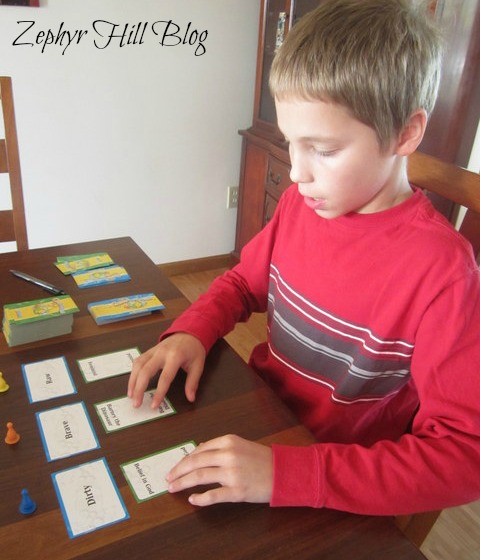
The Peaceful Phlegmatic (Water): Slow to react, quick to “let it go.” The phlegmatic child seems generally content with life. Give him food, rest and a few toys and he is good to go. He doesn’t mind waiting for things. In fact, patience is one of the hallmark qualities of the Phlegmatic, along with diplomacy. This child can generally get along with just about anybody and earns well-deserved praise for being a peacemaker. He rarely rocks the boat. The phlegmatic isn’t a complainer and doesn’t often express strong emotion on the outside, but don’t let this fool you. Still waters run deep. You might often wonder what’s going on in that little head. A phlegmatic child has the tendency to escape into a dream world and get very little done. Thinking and planning is more satisfying than action. 🙂 He will need a lot of encouragement and motivation to take action. The phlegmatic child avoids confrontation when at all possible, and prefers the path of least resistance. He prefers simple, repetitious tasks and loves routine. Complicated or difficult jobs can overwhelm him. Nagging or putting too much pressure on a Phlegmatic child can backfire and result in stubborn despondency. But once a task is begun, the Phlegmatic child will almost always persist until the end. He is highly dependable and steady.

The Powerful Choleric (Fire): Quick to react, slow to “let it go.” The choleric is what some call Type A. This child knows what he wants to do, and likes to take the lead. It can be hard to convince him that he is wrong. Independent, quick-thinking and easily annoyed, the Choleric child feels he knows best (yes, he might feel at times he’s smarter than his mama and daddy). A Choleric is highly motivated and gets a lot of things done. He will not back down from a fight, and in fact, he relishes a challenge or a good spar. It can be hard for a Choleric to sympathize with others; even more difficult is to try and understand someone else’s perspective. The world is very black and white. He is also careful about the friends he chooses. But once he finds a friend or gives his love, he will be fiercely loyal no matter what comes. You will often see choleric children taking charge of their peers in a group. Like the Melancholic, a Choleric child may exhibit perfectionism. This is because of the high ideals and standards he sets for himself and for others.

No one is 100% any one of the temperaments, but you can usually discern which one dominates. Most people are a combination of two. For instance, Benjamin (our third) is Phlegmatic/Sanguine. He is peaceful and easy to please overall, but does have feisty moments. The Temperament God Gave You is a practical and enjoyable book written by a husband-wife team, and it goes into all the personality combinations for both children and adults, and talks about how knowledge of the temperaments can help you develop your strengths and weaknesses AND interact better with others.
After reading the descriptions, which do you think fits your child or children best? Oh, and be looking for some upcoming posts on how to homeschool and potty train using the temperaments as a guide!

- « Previous Page
- 1
- …
- 20
- 21
- 22
- 23
- 24
- …
- 31
- Next Page »