Zephyr Hill

A Family Blog

Header Menu

  • Home
  • Contact Me
  • Terms / Privacy
  • Homeschooling
  • Faith and Family
  • Book Reviews
  • Cloth Diapers
  • Pets

Sobbing Spasms, Gasping, and Prolonged “Hiccups” in Babies

May 23, 2014 by Anne Marie 317 Comments

I keep this post updated and continue to read and/or respond to comments.
However, I can only share my experiences and advice; I’m not a doctor,
so please seek out a professional! (2025)

Babies do many things that look and sound very odd when it comes to breathing, but most of them are normal. What do you do when faced with something that looks out-of-the-ordinary and downright alarming? That’s what happened to our baby boys.

This concerning phenomenon occurred with Benjamin (our 4th), Samuel (our 5th) and then many years later with Evelyn (born in 2024)!

It scared us so badly that we called 911, consulted doctors and specialists and spent innumerable hours on Google trying to decipher the problem. I posted about it a long time time ago on a family medical forum and continue to get comments and questions to this day from parents seeing the same thing with their child. Many of them are told “it’s just bad hiccups.”

Before I begin, I want to say two things. (1) Both of my boys thankfully outgrew this strange and alarming problem. (2) This post is not meant to be a substitute for medical advice. It’s to share what happened, and what we learned, in hopes that families experiencing the same thing might receive some insight, and hope.

What happened to baby Benjamin?

He was about 8 weeks old and had been asleep for an hour after tummy time and nursing that afternoon. I went to check on him and noticed an alarming breathing pattern. He was periodically sucking in his breath or “gasping” and would then hold it for quite some time before resuming normal breathing. It was different from the periodic breathing that’s common in young infants. I was a veteran mother, and it scared me so badly I woke him up. The pattern of gasping and holding his breath and then relaxing continued. Even more suspiciously, Benjamin was visibly uncomfortable with what was going on. We panicked and called 911. Our infant daughter, Margaret, had just died of pneumonia and heart complications the prior year; you can imagine how raw we still were from that.)

What did the paramedics say?

The paramedics came and thoroughly checked him out. His oxygen was fine, and there was no sign of an obstruction. His heartbeat was strong and he had no obvious signs of an allergic reaction. They noted the strange breathing pattern, but concluded it was just really bad hiccups that were making him uncomfortable.

A week later it happened again, and this time it was triggered by a crying episode. Here again is what happened:

  • Ben would have a sharp intake of breath, usually with an audible gasping sound.
  • He would get a terrified look on his face and involuntarily cease breathing for 3-5 seconds.
  • Suddenly, his body would relax and breathing would start again.
  • The cycle would repeat for hours on end, quite often through the entire night. 
  • The spasms would get weaker and less frequent and towards the end would look like the “double breathing” that happens to us after a good long cry.
  • Ben would be perfectly fine in the morning.

What exactly do these breathing spasms look like?

Thanks to my readers, quite a few videos have been shared with me by parents who found this blog post.

This baby is wide awake, and you can see just how distressed and fearful she becomes at losing her breath involuntarily. It’s such a sharp intake, it almost looks painful. My boys got this same look on their faces!

In this clip, you can see the later phase, where the cessation of breathing is less pronounced, or completely gone, and all that remains is a sort of hiccuping sound. If this is what your baby’s spasms always look like, then it might truly just be double-breathing or long-lasting hiccups.

This video shows the same phenomenon, accompanied by a high pitched stridor. A mother overseas shared this video of the later phase, with the spasms continuing during deep sleep. Note: Stridor can be a sign of reflux or laryngomalacia, and even more serious conditions.

No, it’s not any of these other things!

What my two boys experienced is NONE of the things listed below. Checking this list against your child’s symptoms may be helpful:

  • Breath-holding spells: These can last up to a minute and may result in a child turning blue or passing out.
  • Hiccups: Hiccups are brief little spasms of the diaphragm that produce a characteristic “hic” sound. While a case of hiccups can last for hours (and in some rare cases, more than a day), there is no cessation of breathing when the diaphragm contracts.
  • Double breathing: This is a normal thing for many of us who have just experienced a long hard cry. These involuntary, shuddering breaths eventually taper off as you start to calm down. They do not continue for hours and hours, and they don’t cause any fear or pain.
  • Rapid or periodic breathing: Common in newborns with an immature respiratory system, this involves a quick breath and then a pause for up to 10 seconds. It occurs most often in the first 6 months of life and causes no stress or discomfort to the infant. When the breathing resumes, it will look momentarily like panting.

What did the pediatrician say?

After Ben experienced two episodes, which did at the very least reassure us that he was not teetering on the brink of death, our next stop was the trusty family physician who has been in practice in a small town for over 30 years and has delivered hundreds of babies. 

Benjamin was right in the middle of an episode. And our doctor was puzzled. He voiced our unspoken thoughts. “Those aren’t just hiccups,” he said. “I’ve never seen this before, so all I can tell you is that something is causing his airway to close up briefly.” Benjamin was a healthy, exclusively breastfed infant, just a few months old. He was a happy baby and rarely cried, and when he did was attended to promptly.

His airway involuntarily closing would definitely explain (1) why he stopped breathing, and (2) why it was painful and scary. But with oxygen levels so high and no breathing distress, our doctor didn’t see any reason to prescribe medication, and there was no need for respiratory therapy. We were advised to watch and wait. We went home and the spasms continued throughout the night. Benjamin slept. Daddy slept. I did not. I was poised next to my sleeping baby, wide awake in the darkness, tensing up with every spasm. The terrifying spectre of SIDS crossed my mind many times in these long, dark hours. There’s nothing more miserable than an unknown danger lurking around a tiny, helpless child.

What did the specialists say?

We consulted several other specialists in the search for a diagnosis. A very knowledgeable ENT told me he had never had any patients present with this type of problem. He put a scope down Benjamin’s throat and found no physical abnormalities or obstructions in the vocal chords, esophagus or windpipe. Everything was fine. He said the throat will sometimes spasm or close up in reaction to an irritant or allergen. That might explain why Ben had episodes on some days and not others. We didn’t have a definite answer, but we did have a small clue. 

I consulted a speech pathologist friend for insight. To her, the attacks sounded very similar to a Laryngospasm, which is a spasm of the vocal cords that temporarily makes it difficult to cry or breathe. It’s an involuntary thing, and acid reflux and anxiety are both common triggers. For the first time, we felt the answer might be getting closer as reflux is something that many otherwise healthy infants deal with. And with reflux, you can have good days and bad days. It also affects a lot of people even while sleeping. And research shows that there is crossover between reflux and allergies.

Did the spasms go away?

The breathing spasms continued throughout his infancy. Many episodes were triggered by crying, but some seemed to come out of nowhere. As time passed, they began to shorten in duration and severity. By the time Benjamin turned 2, they were gone for good (HALLELUJAH) and we’ve seen no repeats since then.

And then Samuel was born and began to have the same episodes! Just like Ben, they often occurred for no apparent reason during sleep. They weren’t as bad as Ben’s, and he outgrew them more quickly – by age one.

What caused the spasms?

Nota bene: what follows is my theory, not a diagnosis.

As time went by, we noticed a connection between both boys. Benjamin and Samuel both showed signs of Cow’s Milk Protein Intolerance (not the same thing as lactose intolerance). If I ate dairy and then breastfed them, they would be very irritable and spit up a lot. In hindsight we realized that the breathing spasms had gone away at the same time their milk protein sensitivity went away.

My theory is that this food sensitivity was triggering reflux. Reflux has been medically documented to cause problems like stridor (high-pitched noisy breathing), chronic coughing and even involuntary spasms (i.e. like laryngospasm) in babies. Perhaps the acid reflux was irritating their airway and causing their vocal chords to spasm and close up. Or perhaps one of their bodies’ responses to the irritant was throat spasms.

This would explain why they went days or even weeks between episodes. I was good about avoiding dairy, but had some “slip ups” from time to time; either knowingly or by accident.

Did dietary changes help?

It sure looks that way! We switched to rice milk for Ben and Sam with good success.

However, in hindsight I wish I had looked into a formula alternative, as they are more nutritious than rice milk. Ben and Sam are both still on the low end of the growth charts. If you suspect an allergy or intolerance are are formula-feeding, look into alternatives like Similac Alimentum or Enfamil Nutramigen. There’s also a gentle, natural goat’s milk formula that you can try called Kabrita.


Correlation doesn’t equal causation.

Remember, that’s only my theory about what was going on. Just because these spasms occurred in tandem with a food allergy doesn’t necessarily mean that food allergy was the cause. In the medical world, correlation doesn’t automatically equal causation. But it’s still my best guess, given all the data, and the timeline.

Are the spasms dangerous?

In hindsight, I realize now that that our sons’ conditions were not life-threatening, however we wouldn’t change a thing that we did at the time because it really scared us! My opinion is that if a child is suffering, and/or experiencing these types of spasms frequently, it should be looked at by a doctor.

Almost every parent who has contacted me about my post did the same things (rushed to the ER, visited multiple doctors, researched every book and website they could find, etc.). Many of them are still looking for a cause.

From what I’ve learned over the years, most cases do not appear to be life-threatening. But, as my pediatrician cousin once told me, lots of elephants come into the examination room, but it’s the zebra you’re looking out for. Don’t feel bad about being worried or scared. Don’t stress about pestering doctors and specialists. Their job is to help and to heal.

Is there anything I can do for my child?

Apart from avoiding long crying episodes, which can be a trigger, anything you can do to calm or relax a baby may help.

Gentle measures like keeping your baby upright in a comfortable carrier can sometimes ease reflux-related discomfort and give him that extra sense of closeness or the feeling of skin-to-skin touch.

Toddlers and older children can be taught to to take deep and steady breaths. Following the “7-11 model” can also stop feelings of hyperventilation; inhale for seven seconds, and exhale for 11 seconds until symptoms subside. The old technique of breathing into a paper bag can also help because it traps carbon dioxide, recirculating the gas back into the lungs.

To summarize, here’s what I advise parents who are going through this:

  • Document the episodes and if possible get it on video for the doctor.
  • Check for possible allergies. If you are nursing, eliminate the “big ones” (dairy, wheat, eggs, etc.) slowly and separately from your diet and see if the episodes lessen or disappear.
  • Consider switching to a non-cows-milk based formula
  • Visit a specialist who can rule out physical abnormalities or obstructions in the throat and surrounding structures.
  • Check for an underlying respiratory illness (like pneumonia) or a chronic, undiagnosed condition like asthma.
  • Screen for reflux, even if there aren’t obvious signs.
  • Has there been possible irritation or damage to the phrenic nerve or diaphragm?

If you have any questions or comments about this post, please share your thoughts below. Above all, I want this to be helpful, encouraging and educational! Your comments can help other families, too.

Filed Under: Faith and Family Tagged With: allergic reactions, apnea, breath holding, breathing spasms, gasping, infant apnea, milk protein allergy, prolonged hiccups, reflux, sobbing spasms

Morning Sickness Combat Tips from a Mother of 7

March 20, 2014 by Anne Marie 13 Comments

morningsicknessT

Morning sickness is miserable. It’s like having a stomach virus that lasts for months. Some women even have it all nine months! And heads up: if you are suffering from Hyperemesis Gravidarum, this post is not for you, because it is nothing like typical morning sickness. I recommend this blog for support and resources.

It’s frustrating to read pregnancy books that devote a couple of paragraphs to it, or generally limit their advice to eating Saltine crackers, sipping on ginger ale and sucking peppermints. A mother who’s suffering daily from this malady will try pretty much anything for relief. That would be me. After 8 pregnancies, I think I’ve tried every remedy out there. Some of them might even make you chuckle. Read on….

I bought audio tapes that you listen to with headphones; apparently, the specially pitched sound waves were supposed to work some magic on my inner ear and make the nausea go away. Did I feel foolish listening to anti-vomiting melodies? You betcha. Did that stop me? Not hardly. Like the woman who grabs her doc by the collar during transition and growls “give me drugs now!” the constant sickness had moved me past the point of caring about appearances. But I distinctly remember running to the bathroom in the midst of one of those sound therapy sessions. Yes, it was a total flop. A complete waste of money.

I tried accupressure bands on my wrists. Sea Bands, they call them. Another flop (but thank goodness for Ebay). They just didn’t work for me, nor did manually stimulating key points on my own. Sigh……..I really wished the Chinese could have helped me with this one.

I tried peppermint tea and ginger tea. They settled my stomach oh so slightly. Not enough to make much of a difference. And thanks to pregnancy food aversions, I was literally (and physically) sick of anything with ginger or peppermint flavors within a week’s time. To this day, I still shy away from minty things.

I tried those pregnancy lollipops in an assortment of fruity flavors. It was a no go. My children liked them, though!

I tried over-the-counter Dramamine, the motion sickness medication. After a few days I remember wondering if I’d even taken the pills. There was literally no noticeable result. It was that bad.

I tried eating crackers before getting out of bed. It helps for the moment, but you can’t keep eating crackers all day long (sickness isn’t just in the morning).

I tried prescription meds like Phenergen and Zofran. There was a short window of time when the Phenergen would kick in and my nausea would actually subside. I had died and gone to Heaven! Actually, no. I had passed out on the couch because that stuff made me super dopey and sleepy. No way I could take it with small children running around the house. So it had to go. Zofran is quite expensive but it did help a little. So I use it only for the very worst part. And with any prescription medication you have to do the cost/benefit analysis for your particular situation.

I even tried taking B vitamins before becoming pregnant the second time. Had high hopes for this one because I’d researched it. Got the positive test and a week or two later, I was back in the bathroom again, just like my first pregnancy. That was a pretty pitiful morning as I cried on my husband’s shoulder and said “I prayed that this would be the thing that worked, but I can see now there’s no getting out of it!” (Blast that Eve and the curse she set upon us!)

And this is just a partial list of the things I’ve tried….

So how have I learned to manage morning sickness?

I use a four-pronged approach.

#1 Sugar

If you know anything about hypoglycemia, then you know how bad it can feel to have low blood sugar. I’m what you might call “borderline,” so the sick, shaky, lightheaded feeling is quite familiar to me. Pregnancy makes it even worse. Naysayers begone, because I’ve found that good old sugar is a quick and easy way to put those hypoglycemic feelings in check and restore good feelings. High fructose corn syrup works even faster! That’s why you will always find Coca Cola (caffeine-free) in my fridge during early pregnancy. Any soft drink will do. I let it go flat and when those waves of hunger/nausea come over me, I sip on cold Coca Cola. The relief is almost instant. It settles my stomach and I don’t feel so shaky. I continue to sip while finding something REAL to eat. It’s important to follow up the sugar with something substantial. Complex grains and proteins are best. And notice I said sip, not gulp. All it takes is a little; I’m not advocating a lot of sugary drink intake during pregnancy. In fact, I don’t even drink soft drinks outside of early pregnancy. If you can’t find any type of soft drink that is palatable, sweet cold lemonade is a good substitute. Any drink you can find with some real sugar in it (other suggestions: sweet tea, Gatorade or limade).

Many pregnant women do not find themselves craving sweets early in pregnancy. I don’t either. This tip is not about satisfying a craving. It’s simply about getting a small amount of glucose or fructose into your body to quickly even out your blood sugar and help you feel just well enough to find something else to eat.

Personally, when I’m suddenly confronted with a “sick yet starving” moment, it’s easier to take a few sips of a cold lemon-lime soda than it is to put ANY type of food in my mouth. When you are at the point where you can’t even THINK about food…..try a drink first. But never stop at just drinking or the hunger and/or nausea will return with a vengeance and the cycle starts again.

#2 Salt

I was relieved to discover that a pregnant woman’s need for salt may increase, so it’s normal to crave the stuff. What looks like a revolting amount of salt to my husband tastes great to me, and that’s got to be my pregnant body telling me something. Salty grits, salty baked potatoes, salty tortilla chips, salty french fries, salty pickles, etc. All those things made me feel a little better, and they also happen to be some of the most-mentioned foods that women report as helping to combat nausea.

 #3 B6 + Unisom

This is a DIY remedy suggested by many midwives and doctors which mimics a beneficial medication which is no longer on the market (Bendectin). It has helped ease my morning sickness somewhat AND shortened the duration (before taking the combo I would be sick for about 5 months – now it’s more like 3). The remedy works best if you take B6 in a “complex” formulation, with other B vitamins and folic acid included.

The remedy is easy to duplicate at home; Dr. Walt shares the standard regimen on his blog (half of a Unisom/doxylamine tablet plus 25 mg. of B-6), but of course you’d want to double-check all this with your own physician or midwife.

Can it make you drowsy? Potentially, since it has half of a Unisom in it. Because of this, I start off taking it only at night. Then after a few days, I will take the mid-day dose when my toddlers are going to be sleeping. Within 7 days, the sleepiness effect seems to wear off almost completely, at least for me, and I can take 3 times a day if needed.

Even with the Unisom remedy, it’s very important to keep treating one of the underlying cause sof your nausea and that is likely low blood sugar. So you’ve STILL GOT TO EAT.

#4 Lying Down

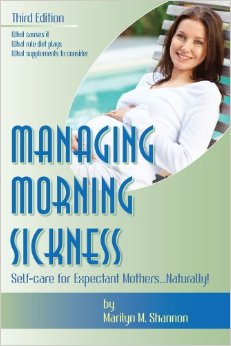
What a funny thing to include, right? Perhaps not. There may actually be a scientific reason for the fact that many sick mothers find relief on the couch or bed. In her book Managing Morning Sickness (aff), Marilyn Shannon writes that low pressure can cause dizziness, nausea and light-headedness, which all happen to be common morning sickness symptoms. My nausea will often lessen just a bit when I lie down; sometimes I even eat or snack reclining on the couch. There’s definitely something to it.

So….using the tips above, this is kind of how an average day goes when I’m in morning sickness survival mode those first three or four months:

  • Wake up, sit up slowly and snack on some Quaker Oatmeal Squares. I like these because they are more nutritious and tastier than a plaid old cracker.
  • Take my B6/Unisom
  • Walk slowly to the kitchen and get out my can of Coke. Take a few sips while I fix myself something that my stomach will tolerate. Maybe some grits with a lot of salt and butter. Maybe some cold peaches or citrus fruit. Something with protein? Even better.
  • Eat my breakfast.
  • Prepare breakfast for other children and then lie down while they eat it!
  • The minute I feel a twinge of hunger again (which is mind-bogglingly soon) get up slowly and have another drink/snack. If possible, since I’m feeling pretty steady, go ahead and have a REAL lunch with some protein or fats.
  • Take my B6/Unisom after lunch. Put little ones down for a nap and lie down myself.
  • Throughout the day, repeat the “have a little sugar boost while I find something substantial to eat” routine as needed. For me, this is MANY times a day, as my appetite in the first trimester is voracious. (Cruel isn’t it, because that’s also when nausea is at its peak?)
  • Take my B6/Unisom before bedtime.
  • Go to bed with a little bit of something in my stomach. If that sick hunger wakes me up in the night, reach over and nibble on some more cereal. If I’m just plain sick of eating, or just too tired to find something, a drink of milk will do. That settles my stomach enough so I can return to sleep.

This is not a perfect plan but it gets the job done for me. Nothing rarely works 100% (and if it does then you probably had very mild morning sickness to begin with). 

Morning sickness is tough to beat, and I mean tough. It’s a powerful force. And it requires constant management, so there’s rarely a “one and you’re done” fix.

One last thing I want to address.

Why, even after finding remedies that work or help, do I still feel sick some days?

Because there’s more going on there than just low blood sugar, low blood pressure and hormones. All of these pregnancy complaints can make you feel ill or nauseous:

  • Bloating – the fullness in your digestive track just makes you feel yukky.
  • Food aversions aggravate sick feelings.
  • Producing excess saliva and that inexplicable metallic taste in your mouth (don’t even start me on these fresh tortures).
  • The agonizingly slow digestive tract that helps get nutrients to your baby also leads to stomach discomfort.

Let’s hear it for relief!

That’s my bag of tricks……what’s yours?


Filed Under: Faith and Family Tagged With: accupressure morning sickness, b6 unisom, morning sickness medication, morning sickness relief, morning sickness remedies, phenergen, pregnancy nausea, sea bands review, zofran

FREE Printable Calendars for Lent and Easter

March 5, 2014 by Anne Marie 15 Comments

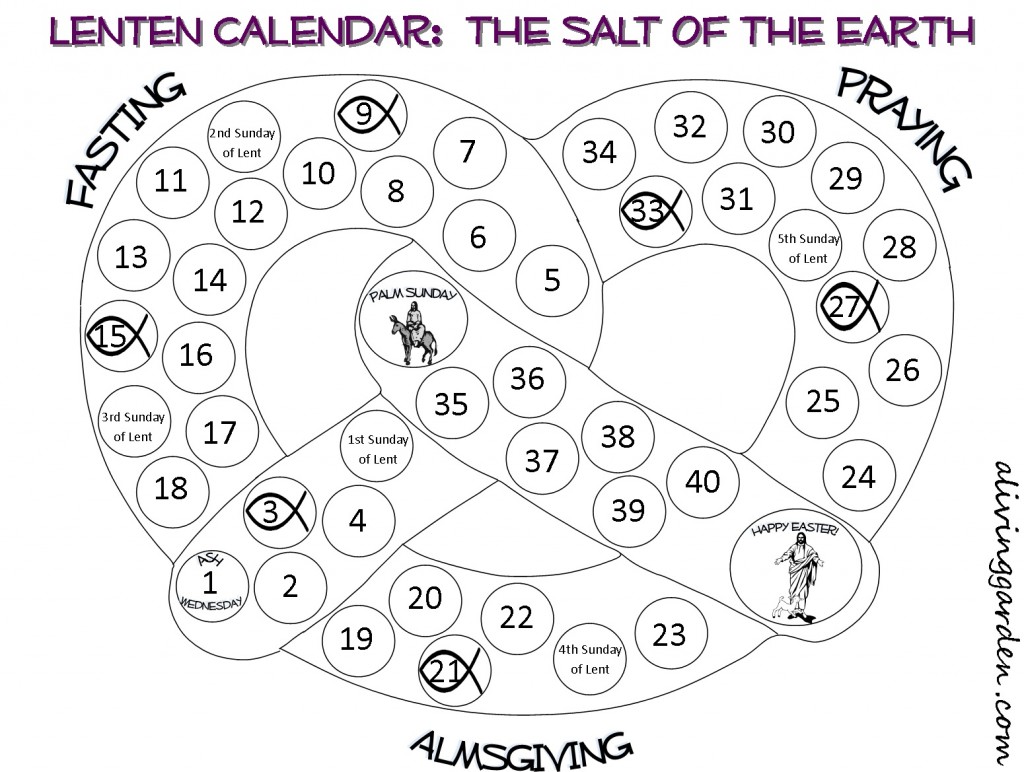
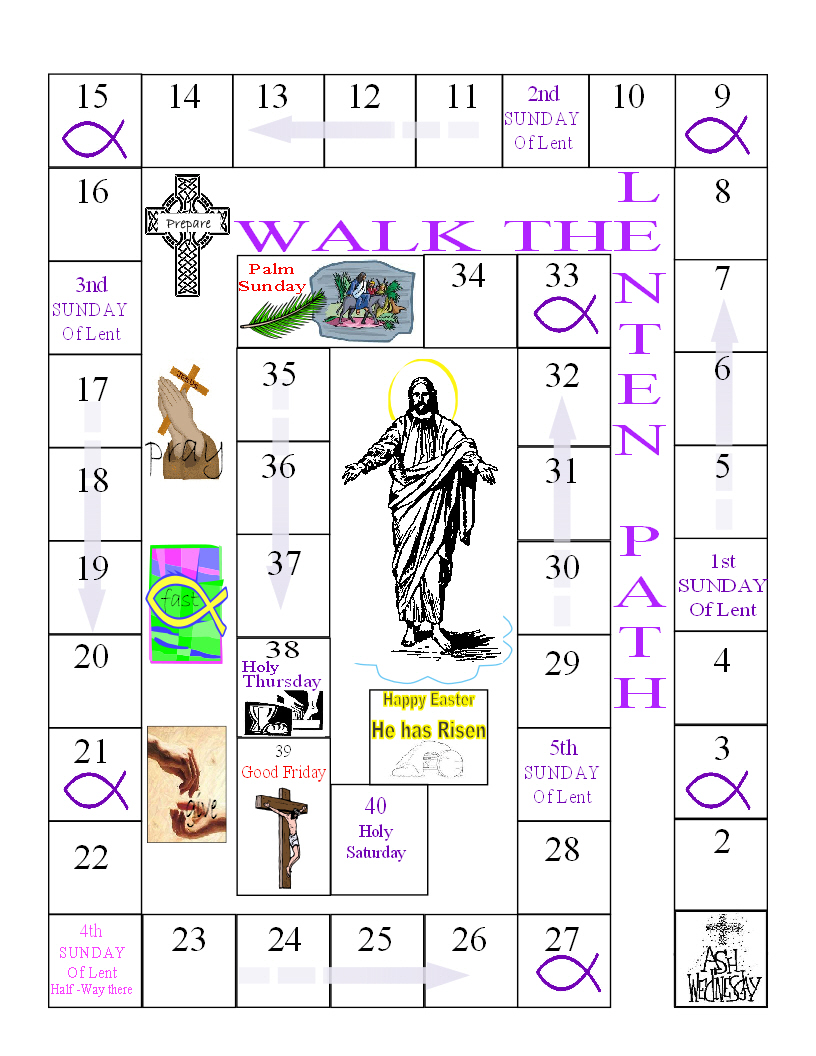
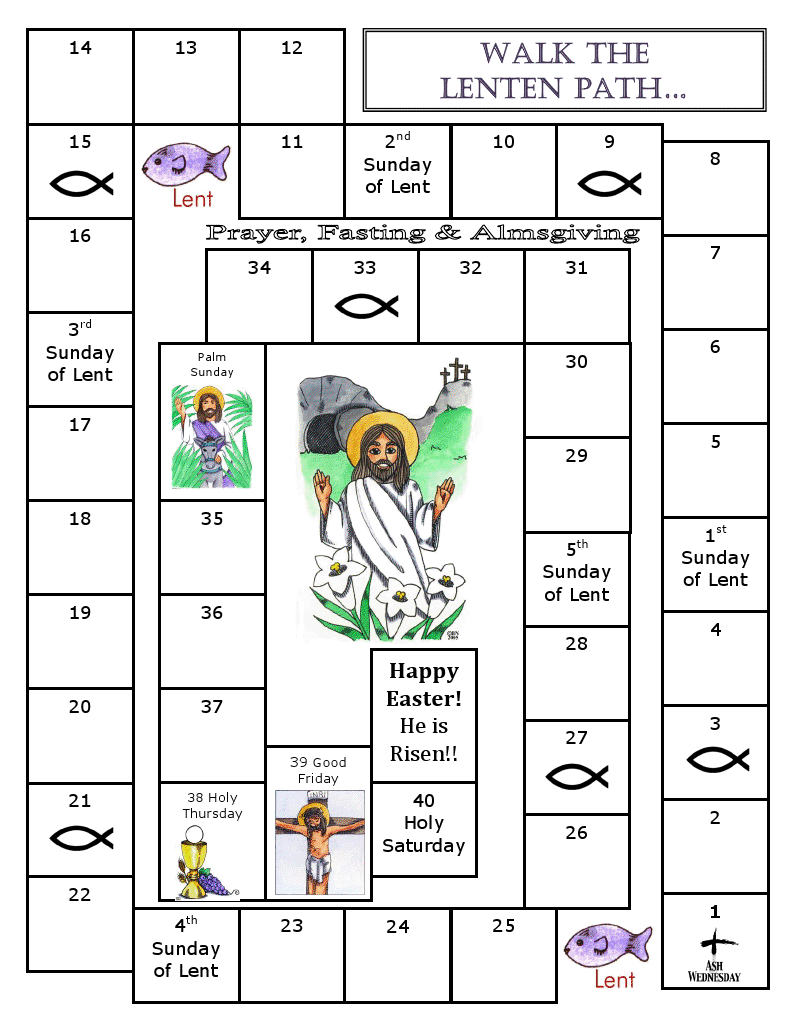
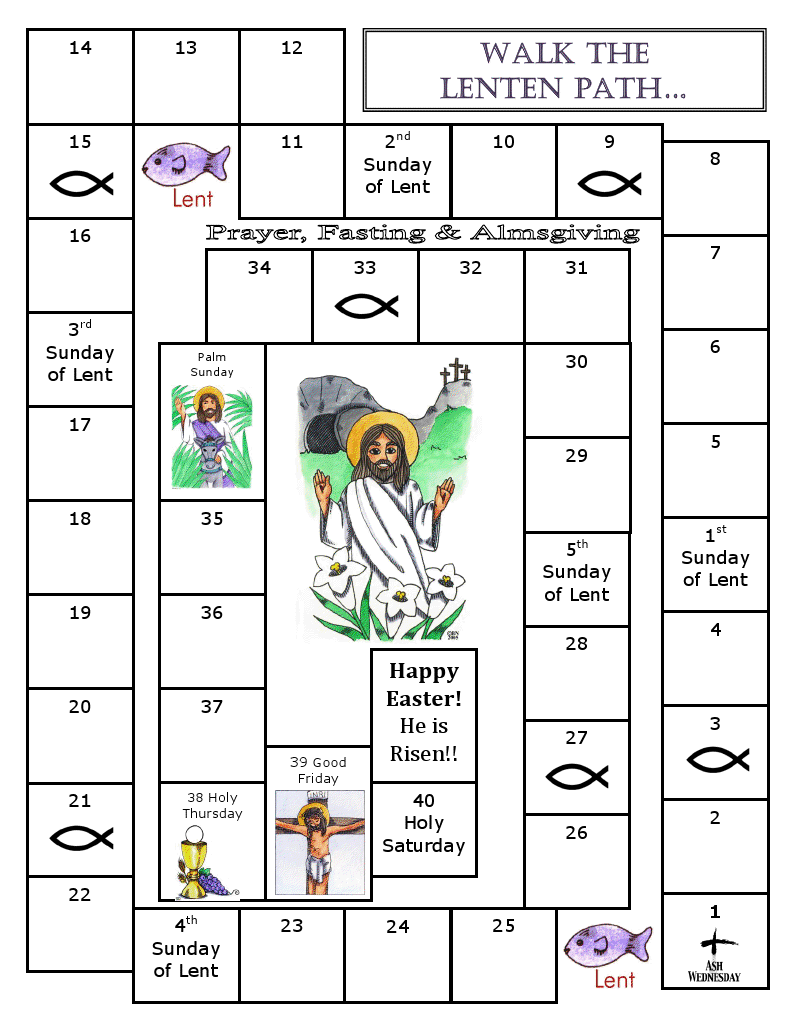
Do your children like counting down the 40 days of Lent? Here are my favorite free printables that help them do just that. They can be colored or marked with stickers. Some of them have enough room on the circles or squares for writing down things to do, things to pray for, or citations for Scripture verses. When Easter comes, you can turn them into games with simple rules like moving one space every time you answer a question about Jesus correctly.

Be sure to click on the links and not the screen shot images for larger, print-worthy images.

I like this cute, hand drawn version from Scribd.com:

This one comes courtesy of A Living Garden. The website is currently down, but here’s the PDF. Children (especially toddlers) might like marking each day with a small sticker, instead of coloring the circles in.

This one, in the shape of an Easter egg, has some great ideas for things that children can not only give up for Lent, but also good things they can DO (something we often forget).

This printable was shared by the Catholic Icing blog:

And another one from Catholic Icing, in the form of a cross. It’s unique because it continues on after Lent, starts with Easter and goes all the way to Pentecost.

lentcross

I found this one online, courtesy Gael’s Crafty Treasures:

And from the Catechist’s Journey blog:


Filed Under: Faith and Family Tagged With: easter activities for children, kids, lent calendars, lent coloring pages, lenten calendars, printable calendars for lent, printable lenten calendars

How to Create More Room in a Tiny House

February 15, 2014 by Anne Marie 18 Comments

We are no stranger to little houses. As newlyweds, my husband and I rented a place with just 4 rooms. Last year, we managed to cram 8 people into a 1400 square foot farmhouse. Our dining table was so small we couldn’t eat together as a family. We even had to saw our box springs in half to fit it up the narrow little staircase. And I definitely don’t have fond memories of all six children visiting me in our sole bathroom, which was about the size of an outhouse.

What do you do when it seems like there are more people in your home than places to put them? And what about the additional furniture? Another baby means more clothing, more shoes and coats, another dresser and more toys, games and books. Here are some of my tips for maximizing space in your home or apartment, when there isn’t much of it:

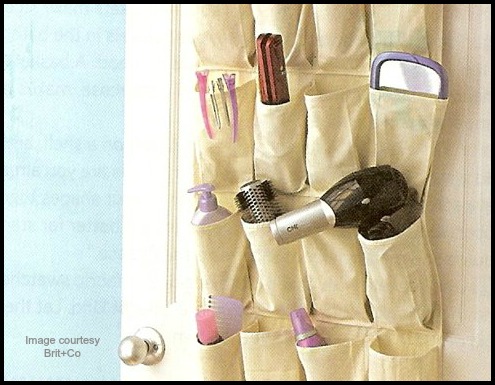
1. Use the walls and ceilings. I used this tip probably to the point of overkill. I hung up shelves, racks, hooks and even organizers up on the wall whenever I could convince my husband to get out his trusty drill and wall anchors. Instead of floor lamps, opt for hanging fixtures. Hang up hampers or laundry bags on your doors (or the insides of closets) instead of having baskets on the floor. We even hung the cloth diapers up on the wall because there was no room for a changing table in our bedroom. This is actually a canvas shoe organizer turned on its side and mounted with heavy screws. The compartments are perfect for diapers, baby changing essentials and even clothes and shoes:

2. Make your furniture multi-task. Try to find things that serve more than one purpose. Our coffee table in the living room is a little chest that also holds books (below), since bookcases take up floor space. You can buy nursery pieces that go from crib, to toddler bed to day bed, and changing tables that double as dressers. If you buy a desk, get one that has lots of drawers. If you’re shopping for a twin bed, try to find one that will accommodate a trundle or mattress underneath for another child to use. Set your TV on a dresser with storage drawers instead of a simple table or stand.

3. Be ruthless on a regular basis! In our tiny house, I was constantly re-assessing space when circumstances changed (baby is born, toddler graduates to a bed, etc.) to see if we could eliminate or streamline the furniture. If you can get rid of two beds and switch to bunk beds, do it. If your toddler will sleep on a small mattress, sell the big crib. The same goes for clothing. Most children wear their favorites over and over again. Get by with 5 shirts each instead of 10; you’ll do half the laundry and need less storage space. I’m pretty merciless when it comes to toys; if my radar spies a toy that hasn’t been touched for 6 months or more, off to Goodwill it goes. Ninety percent of the time, they never figure out it’s gone. PURGE PURGE PURGE! Own only what you really need and your workload (and square footage needs) will both decrease dramatically.

4. Cultivate a “can’t have it all” attitude: This is actually one of the best things you can do, otherwise you’ll have no peace and be doomed to discontentment. Accept the space limitations. Realize you’re not going to be able to own certain things. It’s nice to have a table for folding laundry or a table just for diaper changes, but these are extras that some tiny homes just can’t accommodate. So be content to fold clothes and change the baby on your bed. Don’t be a martyr, though. You can make streamlining your home enjoyable. Since we changed our babies on the bed, I splurged on a couple of really cute Planet Wise changing pads to protect our comforter. When there wasn’t room for much more than beds in the boys room, we still had a blast picking out posters to decorate their walls. Does your little girl only have space for a bed and dresser? Then make that dresser extra special; paint it pretty colors, add fun hardware or add stenciling.

5. Buy stuff that folds up. Nothing can be more frustrating than the feeling that there’s stuff everywhere in a very small house. Get high chairs, strollers, bouncer seats, swings and even tables that fold up easily so you can get them out of the way when they aren’t being used.

6.  Go for the smallest solution possible. Need a cozy place to park a new baby? Instead of a bulky seat or swing, buy a Boppy pillow for them to relax on. Need a place to keep blocks or Legos? Buy a low-profile, flat Tupperware container that you can slide under a bed, instead of a big toy box or basket that will eat up floor space.

7. Re-work your closets. Our boys’ dressers are inside their closets, right under the hanging clothes. That’s two less pieces of furniture cluttering up their bedrooms. For baby clothes you can install a double set of rods in a closet since their clothes are small. You can also stick a bookshelf or stacking bins inside closets for added space. Buy over-the-door shoe organizers, hang them on the inside of your closets and use them to store art supplies, toys, scarves and mittens, etc. I’d rather have a full closet with a door or curtain you can close than a cluttered house any day.

8. Small bathroom secrets: Install an attractive over-the-toilet cabinet. Use shoe organizers on the back of the door for toiletries. Build narrow, vertical shelving on the walls made of unobtrusive glass or white wood for a low-profile, high-storage solution. Don’t just hang a mirror over the vanity; hang a mirrored cabinet with a door. Sew a skirt to cover the bottom of a pedestal sink; stick storage baskets underneath. Attach a piece of metal on the inside wall of your bathroom cabinet; tweezers, scissors and other small metal items will adhere to it. Put a Lazy Susan inside your cabinet for small toiletries.

9. Sharing is inevitable. Every available square inch is up for grabs in a small house! In an unused corner of my daughter’s bedroom, I set up my sewing table. She loved for me to come into her room and work on my projects; it’s almost like she felt very special that I was sharing her space. Parents can carve out a “baby corner” in their bedroom and section it off with a curtain or folding privacy screen. Mama and baby, husband and wife, brothers and sisters can share dressers to conserve space.  Children can even share toys, and not in the traditional way that you might be thinking. Try to buy the types of toys that can be shared and don’t require “one for everybody.” A set of blocks can make 3 children happy; a Transformer is not so easy to divvy up! Each person will want one (or more). A set of Lincoln Logs pleases several boys all at once; one Game Boy will only entertain one.

10. Use glass, metal and light colors. Heavy or dark furniture and somber colors will make a small house seem even smaller. When we moved into that small farmhouse the tiny dining room was a deep, dark red with heavy, formal drapes at the windows. We repainted it a light airy hue called Country Dairy and hung up only valances on the windows (we were in a very private country setting). The transformation was dramatic! Using glass or metal furniture also “lightens up” a home and make it feel more spacious. It may not be usable space, but the psychological effect is huge.

Ok, now I want to hear some of your ideas! What tricks have you employed to create more space and stay organized in a very small residence?


Filed Under: Faith and Family Tagged With: big family small house, cloth diaper storage, how to make room for new baby, limited space solutions, maximizing space, organizing diapers, small bathroom storage, small houses

Homemade Dry Skin Cream with 3 Ingredients

January 27, 2014 by Anne Marie 4 Comments

This highly effective cream for extra dry skin comes from my godmother. My husband and I use it all the time as a hand and body lotion. Very cheap to make ($6 per batch or about 13 cents per ounce), you can find the three generic ingredients at the dollar store.

Because the recipe makes 3 jars, it’s ideal for gift-giving. Make one for yourself and two for friends. The pale pink color is very pretty!

Here are the ingredients you’ll need, and the recipe:

DIY Dry Skin Cream

13 oz. pure petroleum jelly (i.e. Vaseline)
16 oz. baby lotion
16 oz. Vitamin E cream (not lotion)

Mix all ingredients together by hand or in a bowl or gallon freezer bag, until the Vaseline is completely smooth. The final texture will be like whipped butter. Parcel out into opaque jars with lids. Yield: about 3 jars (15 oz. each).

The resulting fragrance is very light and pleasant. I saved the ingredient containers and used them to hold the finished cream. My daughter helped me decorate them with wrapping paper and stickers. 🙂 

Why petroleum jelly? Many doctors and dermatologists highly recommend petroleum jelly for extremely dry skin. It’s an emollient and occlusive substance (i.e. a barrier) that softens and smooths skins and prevents moisture loss. It protects your skin, so your skin can basically go through it’s natural process of healing itself. Pure cosmetic-grade petroleum jelly is classified as both hypoallergenic and “non-comedogenic” (which means it will NOT clog your pores). I actually learned that women have been using it for more than 60 years as a facial moisturizer with excellent results, and that it can work wonders for eczema. Go figure! And no, Vaseline doesn’t cause cancer. 

Anyway, enjoy making and using this cream! 

Filed Under: Faith and Family Tagged With: DIY skin cream, dollar store skin cream, dry skin cream recipe, dry skin remedy, homemade skin cream

  • « Previous Page
  • 1
  • …
  • 22
  • 23
  • 24
  • 25
  • 26
  • …
  • 31
  • Next Page »

SOCIAL MEDIA

Newly Published

  • The Coop Upgrade Nobody Talks About Until It’s Too Late
  • Ignore the Radio Ads About Life Insurance, But Please Read This Post
  • Do Catholic Parents Have to Choose a Saint Name for Their Baby?
  • The BEST and Most Comprehensive Baby Name Books for Parents
  • Educational Games to Enjoy With Your Children

Popular Posts

  • My Home Birth Story: Full of Surprises
  • Organics by Ti Bamboo Flats Review & Giveaway
  • Home Schooling with Limited Space
  • 5 Ways to Handle Food Throwing and Messy Eating
  • Outside-the-Box, Delightful Gift Ideas for 2022

Copyright © 2026 · Zephyr Hill Blog · Design by Albemarle PR

Copyright © 2026 · Albemarle PR - Hannah Template on Genesis Framework · WordPress · Log in