Zephyr Hill

A Family Blog

Header Menu

  • Home
  • Contact Me
  • Terms / Privacy
  • Homeschooling
  • Faith and Family
  • Book Reviews
  • Cloth Diapers
  • Pets

The Coop Upgrade Nobody Talks About Until It’s Too Late

July 3, 2026 by Anne Marie Leave a Comment

Most chicken owners think about coop upgrades only after a problem appears. The flock grows, cleaning takes longer, birds compete for space, or harsh weather exposes weaknesses in the setup. At that point, the upgrade feels urgent. Unfortunately, rushed decisions can lead to more expenses and frustration. A coop that worked perfectly for a small flock may no longer meet the demands of a growing operation.

Experienced flock owners learn that successful upgrades are usually proactive rather than reactive. A well-planned chicken coop evolves alongside the flock and adapts to changing needs. The upgrades below may not seem essential at first, but they frequently become valuable additions as a flock expands and daily routines become more demanding.

Expansion Panels

The flock does not necessarily stay constant all the time. Young broods continue to hatch, breeding programs keep on increasing, and birds that were meant to be replacements end up staying for a longer time. A person who builds his coop based on the number of chickens will likely require a completely new coop a year or two down the line. It may be more convenient to have expansion panels installed in your coop.

Additional Roost Bars

Roost space can disappear quickly as flock numbers increase. Chickens naturally seek elevated places to sleep, and competition for those spots can become obvious during evening hours. Birds may crowd together or sleep on the floor when roost capacity falls short. Additional roost bars help distribute birds more evenly throughout the coop. This simple upgrade creates a more comfortable nighttime environment and reduces competition between flock members. It also makes better use of available vertical space.

Solar-Powered Lighting Systems

Winter brings shorter days and darker mornings. A coop that functions perfectly during summer may feel less practical once daylight hours decrease. Solar-powered lighting systems provide a convenient solution without increasing electricity costs. They improve visibility during early morning chores and can support a more consistent routine throughout the colder months. Owners who spend time collecting eggs or checking on birds before sunrise frequently appreciate the added convenience that solar lighting provides.

Automatic Door Systems

Daily flock care requires consistency. Early mornings, unexpected travel, or busy schedules can make that difficult. Automatic door systems help maintain a regular routine by opening and closing the coop at predetermined times. This upgrade improves convenience while helping protect birds from nighttime predators. Owners no longer need to rush home before sunset or wake up early every day. For larger flocks, the time savings become especially noticeable throughout the year.

Covered Run Attachments

Outdoor access remains important regardless of weather conditions. Rain, snow, or intense sun can reduce the amount of usable space available to the flock. Covered run attachments solve that problem by creating protected outdoor areas. Chickens gain room to move around while staying sheltered from harsh conditions. Owners benefit as well because muddy conditions around the coop become easier to manage. This upgrade can significantly improve the usability of outdoor space throughout the year.

Removable Interior Dividers

Breeders and expanding flock owners frequently need flexibility inside the coop. New birds may require temporary separation, breeding groups may need management, or injured chickens may need a quiet recovery area. Removable interior dividers create options without requiring additional structures. The layout can change as flock needs evolve. This upgrade helps maximize the usefulness of available space and makes flock management much easier during periods of transition or growth.

Roof Vent Upgrades

Ventilation is one of the most overlooked aspects of coop design. A small flock may not expose airflow issues immediately, but conditions can change as bird numbers increase. Moisture and odors build more quickly inside crowded spaces. Roof vent upgrades improve airflow and help create a healthier environment throughout the coop. Better ventilation can also help bedding stay drier. Owners frequently notice improved comfort inside the structure after making this relatively simple improvement.

Weather-Resistant Feed Storage

Feed storage tends to become an afterthought until moisture, rodents, or spoiled feed create problems. Bags left in sheds or tucked into corners may not stay protected for long. Weather-resistant storage systems help maintain feed quality and improve organization. They also reduce waste and simplify daily chores. A reliable storage solution keeps supplies accessible while protecting them from environmental conditions. Small improvements in organization can make a noticeable difference in overall flock management.

Getting the Most From Your Chicken Coop

Review coop capacity every time you add new birds to the flock.

Clean high-traffic areas more frequently than the rest of the coop.

Keep nesting boxes dry and free from excess bedding buildup.

Check roost bars regularly for stability and adequate spacing.

Open ventilation points according to seasonal weather conditions.

Rearrange feeders and waterers if birds begin competing for access.

Use vertical space efficiently with additional roosting options.

Address small maintenance issues before they become expensive repairs.

The coop upgrades that matter most are rarely the ones owners think about first. Practical improvements such as expansion panels, automatic doors, covered runs, and better ventilation can solve problems before they affect the flock. These upgrades also make daily care easier and help the coop remain useful as needs change. A thoughtfully upgraded chicken coop supports healthier birds, smoother routines, and a more enjoyable experience for flock owners over the long term.

Thanks to our guest author, Eliza Gilbert!

Filed Under: Hobby Farming Tagged With: chicken coops, chicken technology, coop upgrades, poultry farming

What Do You Need to Buy for Your New Pet Bunny Rabbit?

February 14, 2022 by Anne Marie 8 Comments

It’s not surprising that many people get the itch (or should I say the twitch?) to own a pet rabbit at some point. Bunnies are quiet, gentle and relatively easy to train, making them ideal indoor pets. They are also insatiably cute and plush.

If you’ve decided to welcome a rabbit into the house this spring, here’s a handy shopping list of the basics:

A Spacious Cage

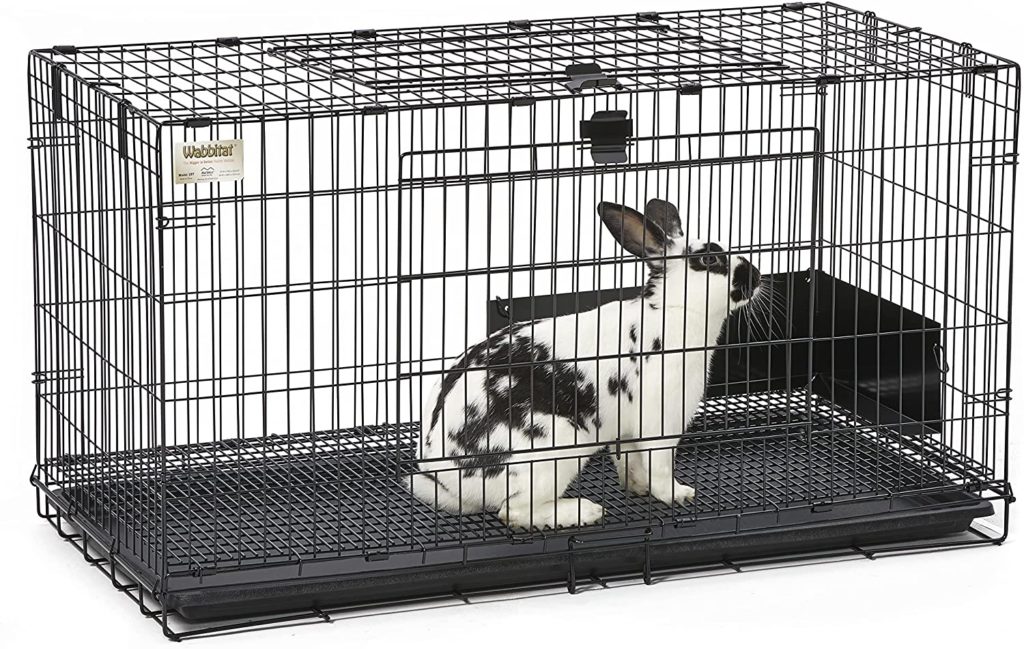
Rabbits need to move freely about and stretch fully, whether that’s in their cage, or during playtime. Our cage is very similar to the one from Midwest Wabbitat (shown below); this style comes in several different sizes, so choose the one relative to your bunny’s size.

The ½” grid coated mesh floor is engineered to comfortably support your bunny’s hocks and allow waste to fall through. If you prefer, you can also take the grate out. Seasoned rabbit owners have had good success with both types, so if you’re unsure, talk to a reputable breeder or vet.

A Vitamin Fortified Food

I buy the Vitakraft brand for our bunny because it’s a highly digestible feed, vitamin-fortified and very affordable. Just for fun, we also like giving the occasional carrot treat.

Hay and Veggies

Your bunny should always have access to a high-fiber grass; timothy hay is popular and easy to find. Fresh veggies are also loved by rabbits; they can eat up to 15% fresh.

Sturdy Food Dishes

Bunnies like to chew so buy durable ceramic food and water dishes. You can also mount a water bottle on the wall of your hutch or cage.

Enrichment Opportunities

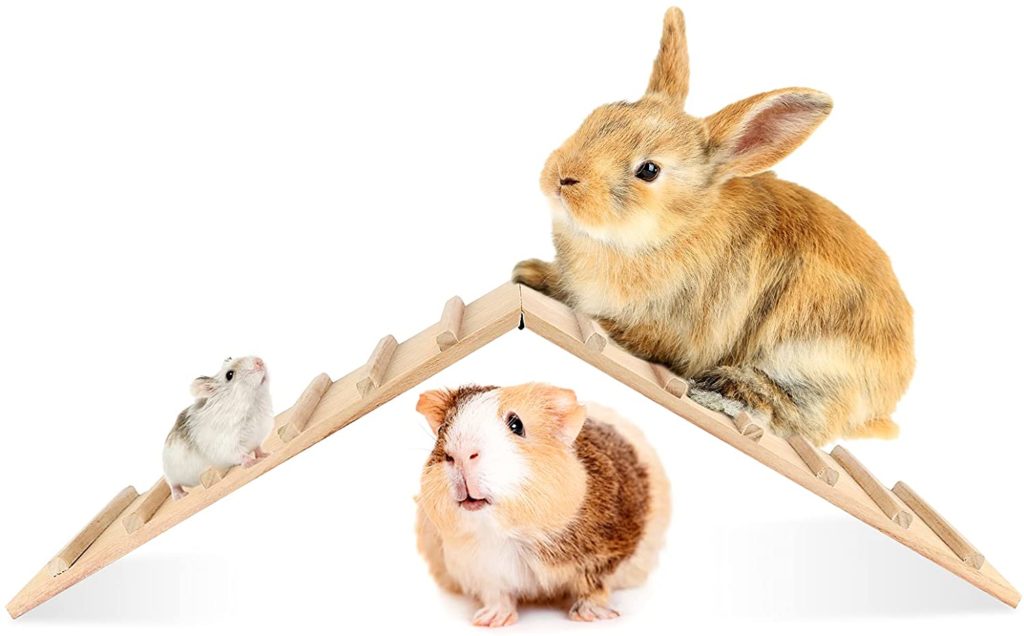
A rabbit naturally wants to hop and stand up and run. Besides giving him a roomy cage and safe play areas, you can enrich his environment with hiding places, platforms, chew toys, treat balls or items to forage (like leaves of lettuce). Grooming and playing with your rabbit also provide enjoyment for you both.

You can make platforms yourself or buy an inexpensive one for $15 like the Yuepet model below.

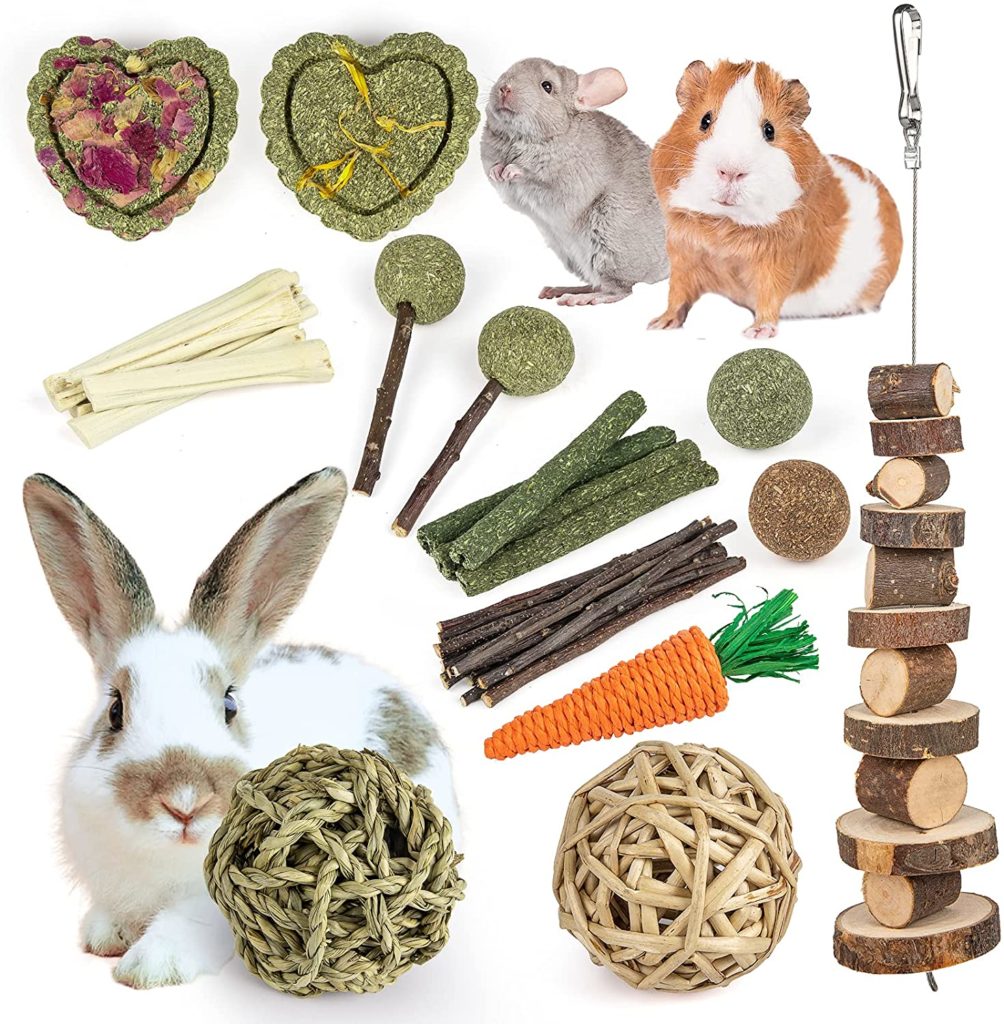
You can get more bang for your buck by getting rabbit toys that double as treats. I love this set which includes 13 different chew toys in cute little shapes.

Also, rabbits do well in pairs or groups, so consider getting a companion for your solo bunny.

A Beauty Kit

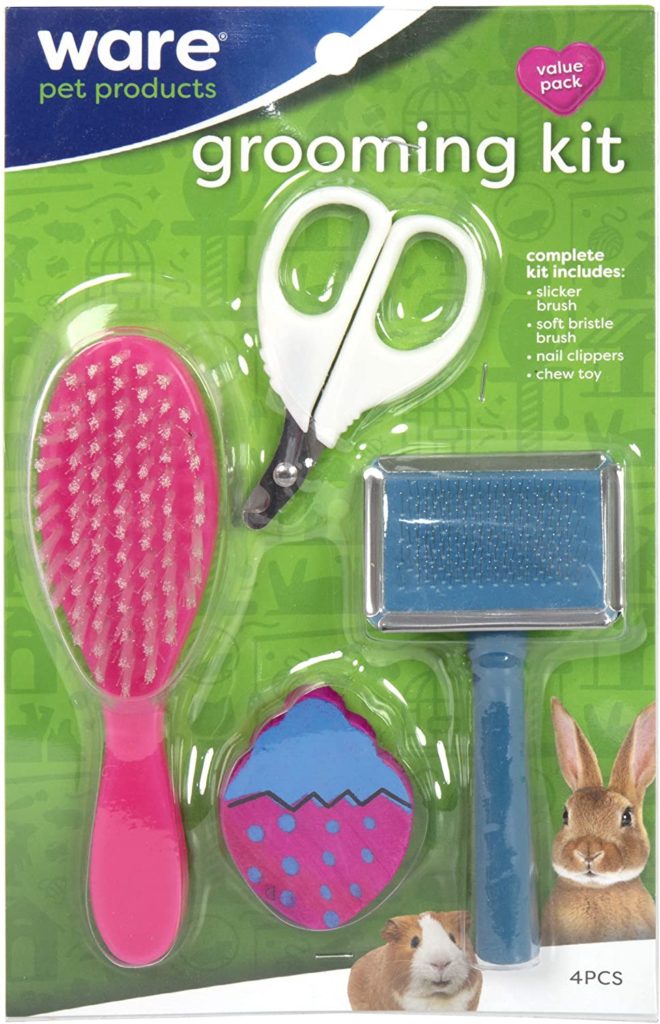
Grooming is not absolutely essential but brushing a rabbit’s fur is quite nice and will provide some additional enrichment time. An older, responsible child can learn to help with this. This Ware kit is just $8.60 right now.

And that’s a wrap! Let me know if I forgot something that you think is important for rabbit owners.

Filed Under: Hobby Farming, Pets

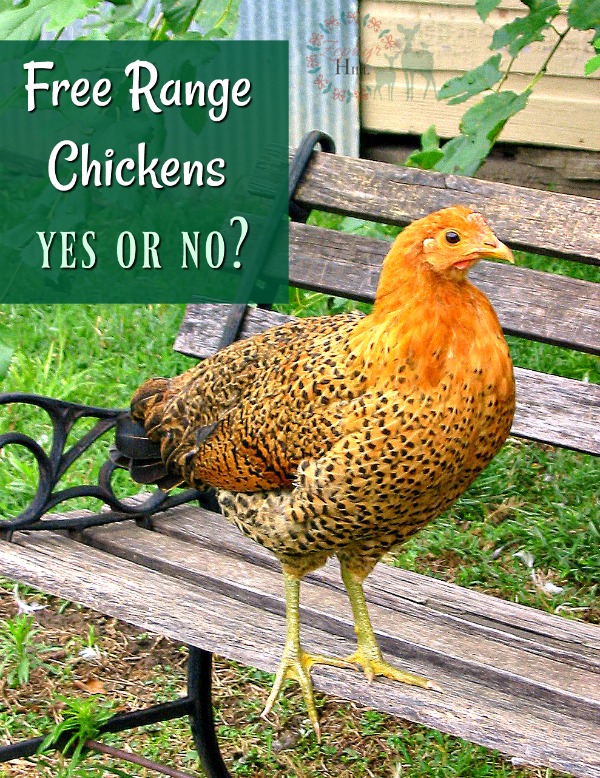
Free Range Chickens: Yes or No?

January 2, 2020 by Anne Marie 12 Comments

Is it better to free range your backyard chickens, or keep them secure in a coop or cage? When we first started raising our poultry twelve years ago, it was free range all the way. We discovered there are both benefits and drawbacks to that, so here’s the rundown in case you are on the fence about your birds.

Free Range Chickens – The Advantages

Less Feed: One of the most obvious advantages to letting your birds range is a free supply of bugs. That means you’ll spend less on poultry food. The dirt and sand they pick up from the ground will also eliminate the need for you to supplement their diet with grit.

Pest Control: The more bugs your birds eat, the less you’ll see them on your property. I loved that chickens gobbled up all sorts of unwelcome species like wasps, flies, stinkbugs and beetles. Chickens will also chase and kill mice and small snakes!

It’s Healthy: It’s not only amusing to watch your fat and fluffy hens pecking, scratching and chasing grasshoppers; it’s good exercise for them! Free and open spaces give chickens the chance to do all the things that come naturally to them, resulting in happy, healthy birds.

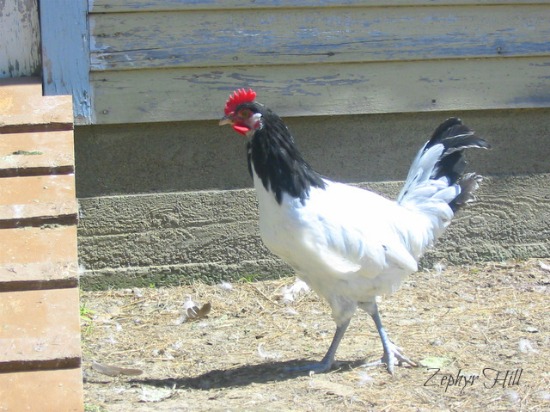
More Interaction: Chickens that are running around your yard are going to result in a lot more entertainment for your family, as opposed to caged birds. One of the best parts of our day was sitting on a bench in the backyard and hand feeding our hens and roosters. Many of them were quite tame, and let the children hold and pet them with no problem.

And yes, all the birds had names. 🙂

Less Pecking: The longer that chickens are confined together, the greater your chance of seeing harmful behaviors like pecking and fighting. And when I say harmful, I’m dead serious, because once a hen gets pecked it quickly starts a downward spiral, where the whole flock seems to turn on her. A chicken can be literally pecked to death, so this is definitely a behavior you want to discourage at all costs. Room to run and lots of distractions go a long way in minimizing this ugly problem.

Free Range Chickens – The Cons

Lost Eggs: Every once in a while our children would discover a hidden cache of eggs somewhere in the yard or an outbuilding. The largest stash we found had twenty eggs in it! Free range hens often shun the nest box and opt for a quiet little hiding place, especially if they are the broody type, so you’ll have to be extra vigilant to avoid egg loss. Pay attention when the girls start sneaking off. You can usually catch them heading for their spot first thing in the morning, or you can keep an eye out when the sun is setting because they will all start appearing and heading for the roost.

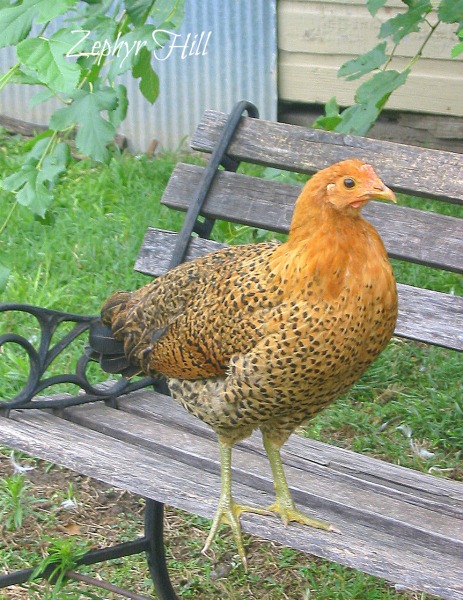
Lots of Mess: Free range chickens are messy creatures. We got really tired of sticky, stinky bird droppings all over our patio and deck. They could even hop on small benches and chairs and leave a mess there. Get used to finding feathers here and yon, too.

Lots of Trouble: They get into everything, just like toddlers! One day I found our bewildered kittens huddling in a corner as a bunch of greedy hens gobbled up their cat food. After that day, there was no way to feed the kitties without a swarm of hungry chickens nearby. I had to rig a feeding place up high that only the cats could access.

Don’t plan a picnic with free range birds, either, because they will quickly become a nuisance, pecking food off your children’s plates and leaving their droppings all around the tables and chairs.

But what really cooked my grits was the destruction of my flowers. One year I set aside a few precious hours to put in a beautiful bed of purple petunias and red salvia; the next morning I awoke to find “the girls” making short work of it. With those sharp little beaks and toes, they decimated pretty much everything. Ever since then, it’s been a huge battle trying to keep them out of any cultivated spaces in our yard.

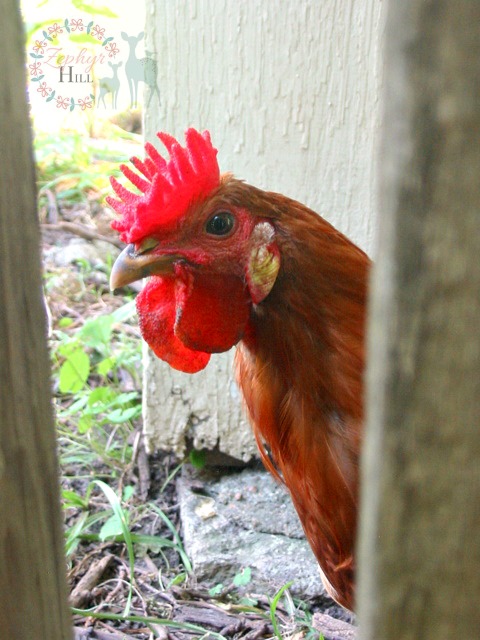
More Danger: Some predators are bold enough to prey on your birds in the broad daylight. I saw a coyote just outside my kitchen window, prowling after a hen. Last year, I heard the chickens squawking and discovered a huge hawk circling low right over their heads. Yet another time we had two rogue dogs invade our yard in search of a chicken dinner. Pretty much everyone I know who free ranges their poultry loses birds from time to time. It’s just a given. 

Maybe you’re thinking but we don’t have predators in our area. Let me assure you that there’s something magical about poultry. Just ask Kevin Costner. If you build it (a chicken yard), they will come (predators). It’s kind of like squash bugs. They seem to appear out of nowhere, don’t they? It’s like they are saying hey thanks for planting our favorite vegetable. Trust me: chickens are a veritable magnet for predators. And chickens who are running free in your yard are like flashing neon signs!

Remember the egg hiding I mentioned above? That’s yet another flashing neon sign for predators to pay a visit. Your hen sneaks off, away from the protection of the flock and the roosters, lays a nice big tasty egg and then starts cackling loudly to announce it!

No Fertilizer: If you were planning to use chicken manure as fertilizer, you’ll be out luck; they will spread that lovely nitrogen and phosphorus randomly across your property. When birds are cooped or cage, it’s easy to scoop up their bedding (litter) and compost it for later use in the garden.

I’d love to hear your thoughts and experiences when it comes to free ranging chickens!

Filed Under: Hobby Farming, Pets

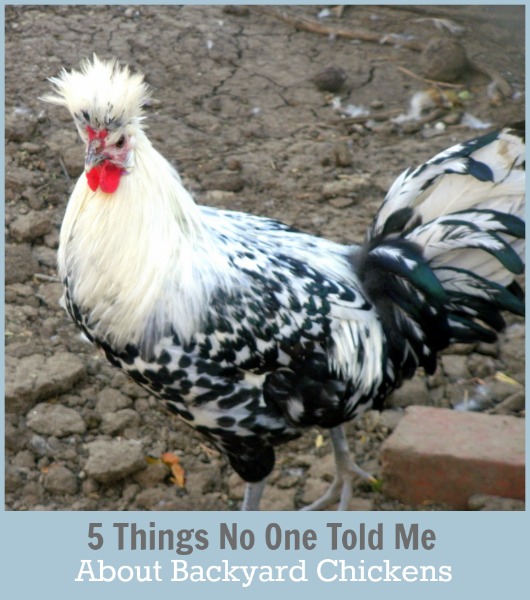
5 Things No One Told Me About Backyard Chickens

March 3, 2017 by Anne Marie 14 Comments

Fuzzy chicks, free range beauties and dozens of fresh eggs. These are the pleasant dreams of many a family that longs to have a little flock of backyard birds. Don’t misunderstand me. You’ll have those things. But there are some other surprises that await you. Here are 5 things no one told me about chickens when we first got started nine years ago.

They stink. The first batch of chicks we received in the mail was SO adorable! You could fit all twenty of their fuzzy little bodies on a paper plate. Hanging out next to the brooder with a cup of coffee quickly became my new pastime, and the smell of fresh wood chip bedding was actually quite pleasant. Fast forward a few weeks. The bigger they got the worse they smelled. The first thing I wanted to do in the morning was not grab a cup of coffee, but change their litter ASAP, because the odor was so foul. We were all so relieved when their new feathers came in and it was warm enough to transfer them to the outdoor coop! Of course, then they started stinking up the coop…

They have a death wish. I’m going to say this as charitably as possible. Chickens have small brains, and that results in less-than-stellar decisions being made on a daily basis. One of our chickens managed to drown herself in 2 inches of water in a bucket. Another refused to go into the coop like all the other birds every evening, preferring to roost in random and weird places, until she finally fell prey to a predator. Our rooster wedged his head between the chicken wire fence and the ground; we found him like that the next morning – expired. And whenever a chicken is even slightly injured or ill, she will simply sit down and give up, letting the others peck on her and literally walk all over her until she dies. Chickens have no will to live, and everything on God’s green Earth loves to eat them. So you’ll have to think about 10 steps ahead of your girls and build the most secure coop possible.

They are entertaining. My husband and I spent many hours sitting on a bench in our backyard just looking at those chickens. They became so tame we could hand-feed them. And chickens do really amusing things like wiggle their bottoms around in the dust to get clean, jump in the air to catch bugs on the fly, and squawk really loudly when they get pecked. One memory that stands out is watching twelve chickens trying to steal a dead mouse from my cat.

They are destructive. I’m still a bit miffed about all the plants and vegetables our girls have ruined over the years. And it doesn’t take long; a gang of the girls can wrap up a hit job in about 10 minutes flat. So this is just a heads up if you are going to free range: chickens get into everything and their beaks and claws are sharp. When ours started coming onto the deck of our house, devouring all the cat food and pooping everywhere, we confined them back to the chicken yard. Just last week, our chickens found a way to get out of their cage. In about 5 minutes, they had ripped all my perennials out of the front flower bed by their roots. So much for planting stuff that was supposed to come back on its own this spring!

They won’t make you rich. Before getting started, we had visions of some lucrative side income selling fresh eggs. And while we did sell some eggs, it didn’t even come close to making a lot of money. There are several reasons for this. You’ll obviously want a lot of the eggs for your own family. Secondly, most hens slow down or stop laying during the cold months. And finally, it’s hard to compete with organic, free-range eggs at the big box store that cost less than $5 per carton. Unless you have a humongous flock of birds, or can corner a niche market of city-dwellers who will pay a premium for fresh eggs, you’ll be lucky to get around $3 for a dozen of your beauties. It helps pay for a bag of feed, but it won’t make you rich. So don’t count your chickens before they hatch. (Sorry, couldn’t resist!)

Have YOU had any surprises raising backyard animals?


Filed Under: Hobby Farming, Pets

Chickens 101: Building a Coop from Scratch

March 13, 2015 by Anne Marie 5 Comments

cooptutorial

You’ll notice I did not put the words “how to” in the title of my post. I didn’t build our fantastic chicken coop, and I certainly don’t know how my husband did! All I can say is, he wasn’t pleased with the online plans he found and decided to start from scratch (that’s a chicken pun, by the way).

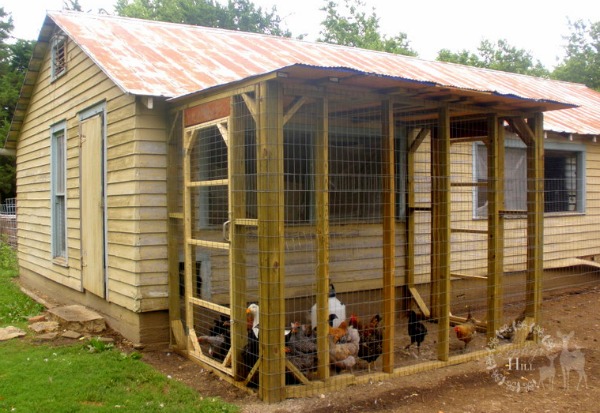
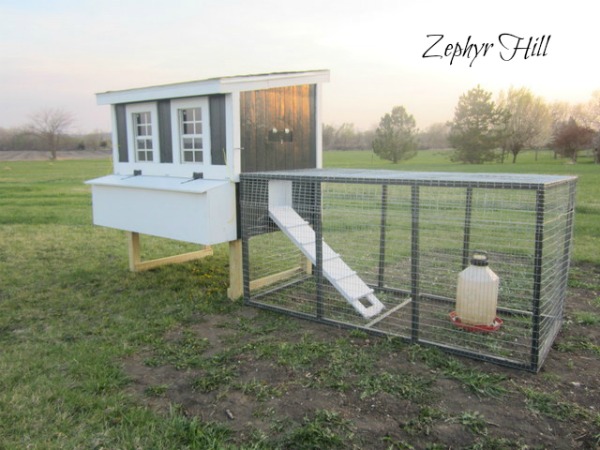
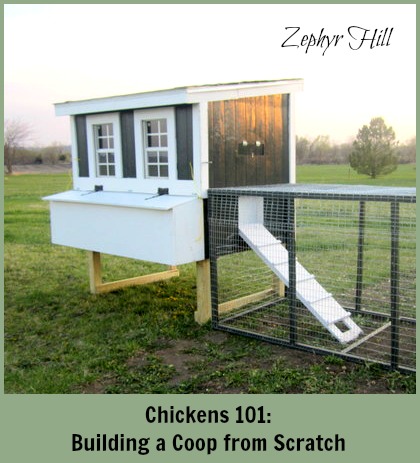
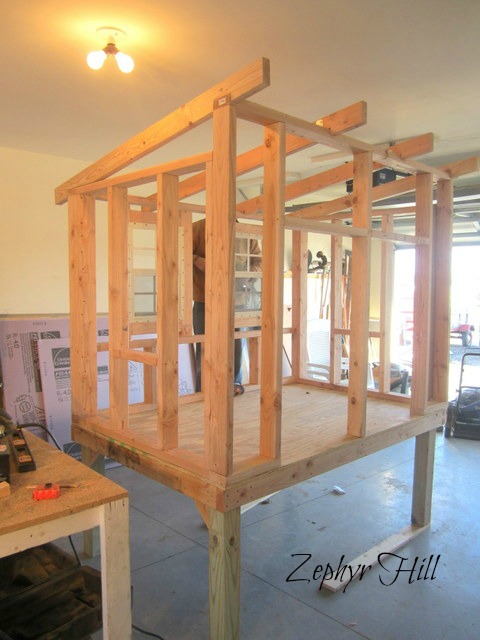
We decided on a non-portable coop because the wind here can be ferocious and the heavier something is, the longer it will last. The coop, which was made to accommodate a flock of 20 birds, measures 78 inches high, 74 inches wide and about 51 inches deep. The nest boxes stick out about another foot on the back side.

My husband assembled the coop in our garage because of the extreme and unpredictable weather in a Midwest spring. He can only work on things in his spare time, so we didn’t want the unfinished coop being exposed to the elements for weeks on end.

Step One: Framing

The opening on the left is for a small door and a vent hole. The openings on the front are for large, double doors. The openings on the right mirror the left, and the openings on the back are for the next boxes.

coop1


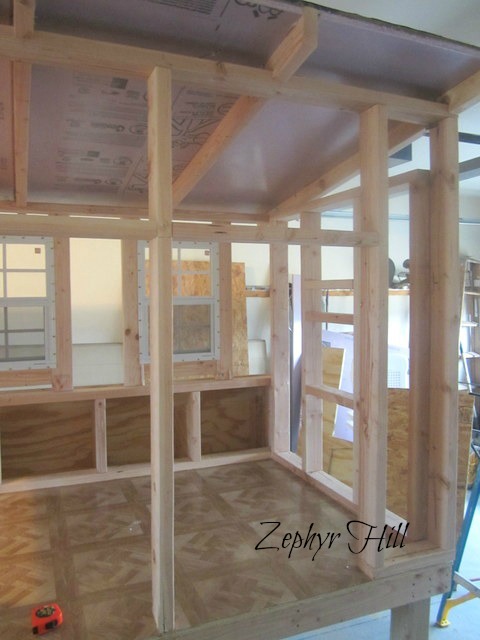
Step Two: Flooring and Roof

Yes, that’s tile on the floors. The roof has a layer of insulation underneath. You may or may not need that, depending on the climate.

coop2

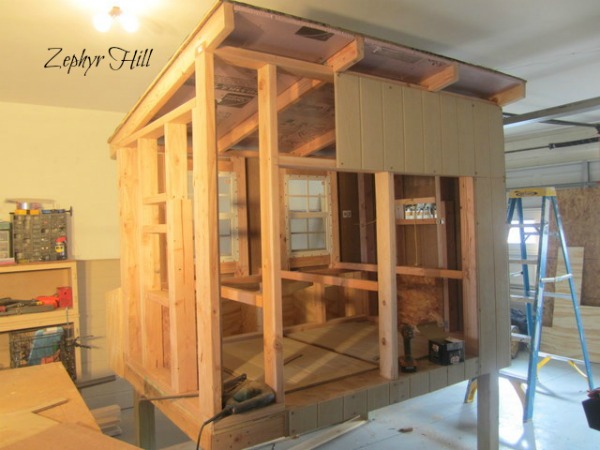
 Step Three: Siding

coop3

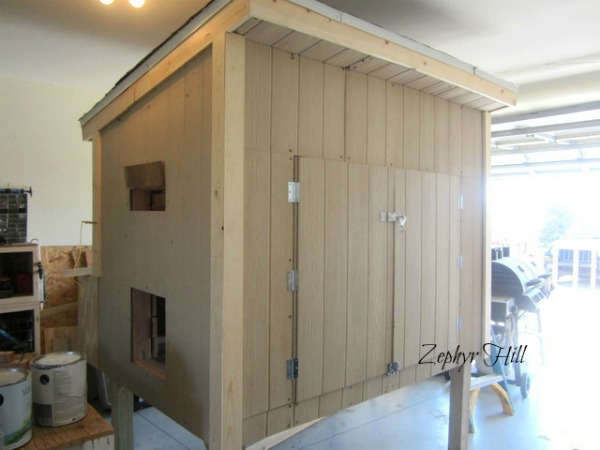
Step Four: Finish Doors and Windows and Siding

The second view shows the nest boxes with a heavy, hinged top.

coop4

coop5

Step Six: Painting and Transporting

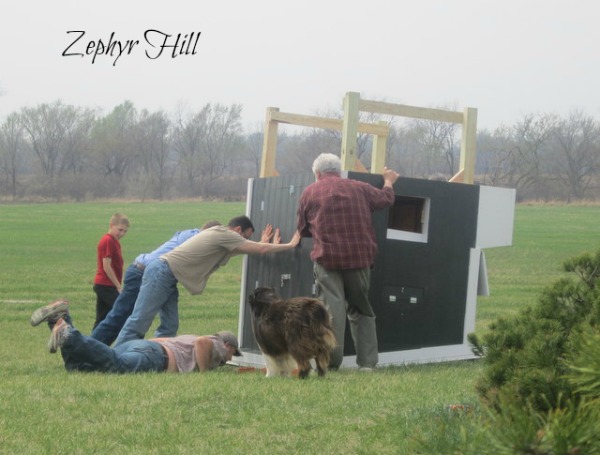
The most difficult thing about this project was getting it out of the garage and into the back yard. It was incredibly heavy and required a lot of male friends and relatives (plied with pizza and beer) to move.

It didn’t cooperate with skids or rollers because of the weight and the uneven terrain, so we had to resort to dragging, lifting and rolling. Good times!

coop6

coop7

Step Seven: Enjoy!

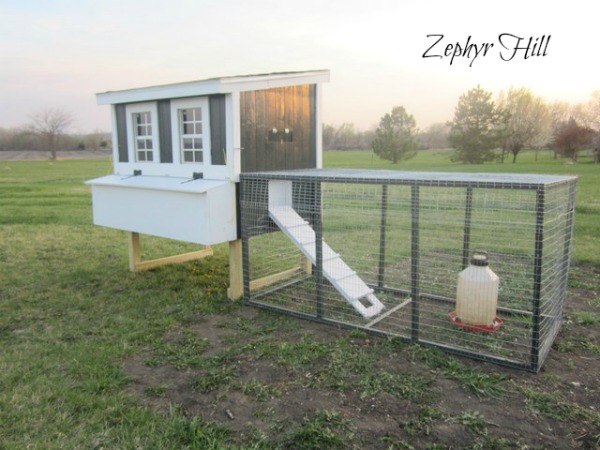
Here’s an outside view with the attached chicken run in place.

coop8

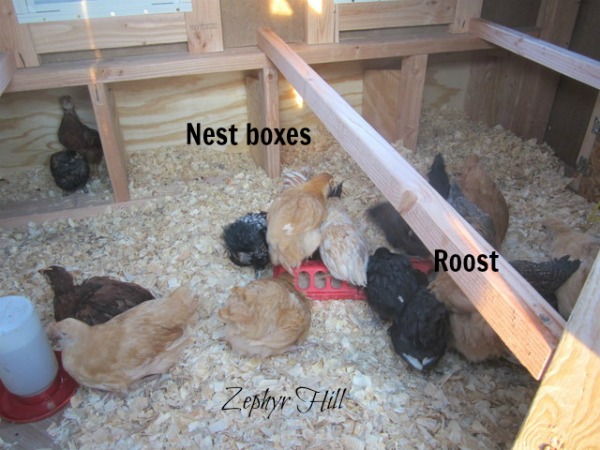
An inside view of the girls in their chicken palace.

coop9

Here’s what we like best about the coop:

The egg boxes. Insert hand, pull out breakfast!

coop10

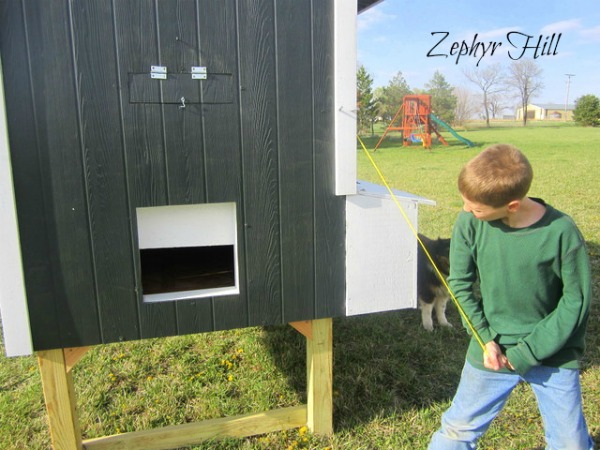
The lift-and-lower chicken door. Pull the rope and out come the birds. The rope is wound around a hook to keep the door open.

coop11

And here’s the master builder!

j

annesignature

Filed Under: Hobby Farming, Pets

  • 1
  • 2
  • Next Page »

SOCIAL MEDIA

Newly Published

  • The Coop Upgrade Nobody Talks About Until It’s Too Late
  • Ignore the Radio Ads About Life Insurance, But Please Read This Post
  • Do Catholic Parents Have to Choose a Saint Name for Their Baby?
  • The BEST and Most Comprehensive Baby Name Books for Parents
  • Educational Games to Enjoy With Your Children

Popular Posts

  • Tiny Love Bouncer Review
  • Sweet Pea AI3 One-Size Diaper Review & Giveaway
  • 6 Common Homeschooling Mistakes to Avoid
  • Sweet Pea Bamboo AIO and Pail Liner Review & Giveaway
  • How to Study (and Teach) at Home With Less Distraction

Copyright © 2026 · Zephyr Hill Blog · Design by Albemarle PR

Copyright © 2026 · Albemarle PR - Hannah Template on Genesis Framework · WordPress · Log in