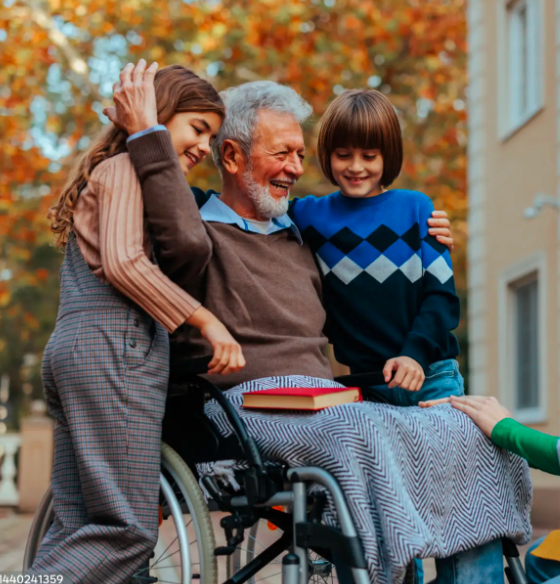
Our loved ones should be cared for at home as long as possible. These emotional and generational connections cannot be duplicated in a nursing home. In rare situations, when health or mental issues are so severe that home is not a safe option, choosing a nursing home can be very difficult. It involves trust, hope, and the expectation that trained caregivers will provide safe and respectful support every day. Families rely on staff to help residents with basic but essential movements such as getting out of bed, moving into a wheelchair, using the bathroom, or being repositioned for comfort.
One of the most overlooked dangers in these settings involves handling errors that cause residents to be dropped. These incidents may happen in a matter of seconds, yet the effects can last far longer. For older adults, a single mishandling event can lead to pain, reduced mobility, emotional distress, and a serious decline in overall health.
Because these injuries are not always openly discussed, families may not realize how important this issue is until something goes wrong. Understanding how and why these situations occur, and what warning signs to watch for, can help families make informed decisions and better protect the people they love.
What Does It Mean When a Patient Is Dropped?
Many people hear about injuries in nursing homes and assume they all happen the same way. In reality, there is a major difference between a resident falling on their own and a resident being dropped during care.
A dropped patient incident occurs when a staff member loses control of a resident during a movement. This can occur during transfer from a bed to a wheelchair, while helping someone, while assisting with bathing, or while repositioning a resident in bed. In those moments, the resident depends almost completely on the caregiver’s strength, balance, timing, and technique.
These situations can be especially dangerous because many nursing home residents are unable to protect themselves during a sudden fall. Some have limited mobility, poor balance, muscle weakness, or cognitive conditions that slow their response. If a caregiver loses grip or misjudges the transfer, the resident may fall hard and awkwardly with no way to brace for impact.
This is what makes the issue so serious. A resident who is dropped is not simply experiencing an unavoidable debt. In many cases, they are tied directly to how care is being used and whether the staff involved are using safe handling practices.
Why These Incidents Happen More Often Than People Realize
Families often expect nursing homes to have strong systems in place to prevent resident falls, but dropped patient incidents can occur when daily care is affected by deeper problems within the facility.
One of the biggest causes is understaffing. When there are too few caregivers on duty, employees may be forced to move residents too quickly or handle transfers alone when a second person is clearly needed. Even a routine lift can become risky when staff are rushed or unsupported.
A lack of proper training is another major factor. Safe transfers are not something caregivers should improvise. Staff need to know how to assist residents with varying physical needs, how to position residents correctly, and when to use transfer aids. Without that training, mistakes become far more likely.
Fatigue can also play a major role. Care work is physically demanding, and long shifts can reduce alertness, strength, and coordination. A tired caregiver may have slower reactions or less control during movement, especially when helping a resident who is heavy, unstable, or unable to assist.
Equipment issues add another layer of risk. Some transfers require tools such as gait belts, mechanical lifts, or slide sheets. If these devices are missing, poorly maintained, or simply not used when they should be, the resident may be placed in unnecessary danger. These are some of the reasons why incidents involving dropped patients in nursing homes continue to happen in places that are supposed to provide careful, supervised care.
The Serious Injuries That Can Result
When a resident is dropped, the injuries can be severe and sometimes life-altering. Older adults are more physically frail, which means even a short drop during a transfer can cause serious injury.
Fractures are among the most common outcomes. The hips, wrists, arms, and shoulders are especially vulnerable. Hip fractures can be devastating for elderly residents because recovery is often long, painful, and physically draining. In some cases, the resident may never regain the same level of independence.
Head injuries are another serious concern. A resident who is dropped unexpectedly may hit their head on the floor, a bed frame, a wheelchair, or other nearby surfaces. This can result in concussions, brain bleeding, or other traumatic injuries that may not be immediately obvious.
There is also the risk of internal injuries. A resident who lands in an awkward position may sustain damage that is not immediately visible. Pain, swelling, confusion, or a sudden decline after an incident should never be brushed aside.
The emotional effects can be just as important. Being dropped can leave a resident frightened, embarrassed, or deeply anxious during future care. Some may start resisting help, refusing transfers, or becoming visibly distressed whenever staff approach. This emotional response can make everyday care more difficult and place extra strain on both the resident and the family.
How Families Can Recognize the Warning Signs
It is not always easy to tell when a resident has been dropped, especially if the event was not clearly reported. That is why families should stay alert to both physical and behavioral changes.
Unexplained bruises are often one of the first warning signs. Bruising on the arms, shoulders, back, or legs may suggest rough handling during a transfer. One unexplained mark may not tell the whole story, but repeated bruising should raise concern.
Fractures, sprains, or sudden pain without a clear explanation are more serious warning signs. If a loved one suddenly struggles to move, complains of pain, or needs unexpected medical treatment, it is important to ask exactly what happened and when.
Behavioral changes can also reveal a great deal. A resident who becomes fearful during transfers, flinches when staff approach, or seems unusually withdrawn may be responding to a prior mishandling. These emotional reactions are often overlooked, even though they can point to a deeper problem.
Families should also pay attention to how staff communicate. Vague explanations, changing stories, or an unwillingness to answer simple questions may suggest that something is being minimized or left out. Reviewing broader patient safety data can also help families better understand how serious fall-related injuries can be for older adults and why even one incident deserves attention.
Steps Nursing Homes Should Take to Prevent These Incidents
Preventing these injuries requires more than good intentions. It takes structure, training, proper tools, and a workplace culture that treats resident safety as a daily priority.
First, staff should receive regular hands-on training in safe transfer techniques. This includes knowing how to support residents with limited mobility, communicate during movement, and respond when a transfer becomes unstable. Training should be ongoing rather than a one-time requirement.
Second, facilities should provide and use appropriate transfer equipment. Gait belts, lifts, and repositioning devices exist for a reason. They reduce physical strain on caregivers and lower the risk of a resident being dropped during movement.
Adequate staffing is also essential. Some residents require two caregivers for safe transfers, and that need should never be ignored for the sake of speed or convenience. When facilities cut corners on staffing, residents often pay the price.
Clear protocols matter as well. Each resident should have an individualized mobility plan based on their physical condition, strength, and required level of assistance. Safe care depends on preparation, communication, and consistency.
What You Can Do to Protect Your Loved One
Families cannot supervise every moment of care, but they can take practical steps to reduce risk and spot problems early.
Start by asking direct questions. Find out how staff are trained to handle transfers, when two-person assistance is used, and whether mobility needs are regularly reassessed. These questions can reveal whether safety is treated seriously or handled casually.
If possible, visit at different times of day and observe how your loved one is assisted. Notice whether staff seem rushed, whether proper equipment is used, and whether communication during transfers is calm and respectful. Small observations can tell you a great deal about the quality of care.
It is also important to listen closely to your loved one. Complaints about pain, fear, rough handling, or discomfort during movement should never be dismissed as minor. Even brief comments can point to a larger issue that deserves attention.
Keeping a written record can also help. Notes about bruises, emotional changes, unusual pain, or troubling interactions may become valuable if a pattern begins to emerge. Families who stay informed through reliable family care resources are often better positioned to recognize warning signs and speak up before a preventable injury becomes a more serious crisis.
Conclusion
Keeping a loved one safe in a nursing home depends on more than trust alone. When residents are dropped during routine care, the consequences can be painful, traumatic, and preventable.
These incidents often point to larger problems such as understaffing, poor training, weak supervision, or unsafe daily practices. For residents, the damage can extend far beyond the initial injury, affecting both physical health and emotional well-being. This is why it’s so crucial to only resort to a nursing care facility as a very last resort, and after you’ve done your due diligence and plan to check in on a regular basis.
Families who stay involved, ask clear questions, and pay attention to changes in condition are better positioned to recognize when something is wrong.
Author: Jason Dunlap (Guest Post)