Zephyr Hill

A Family Blog

Header Menu

  • Home
  • Contact Me
  • Terms / Privacy
  • Homeschooling
  • Faith and Family
  • Book Reviews
  • Cloth Diapers
  • Pets

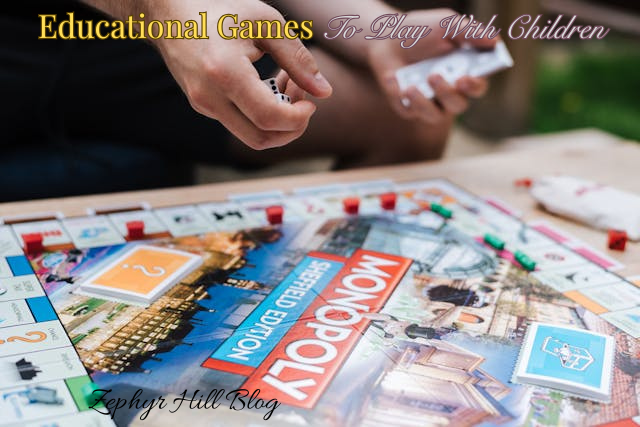
Educational Games to Enjoy With Your Children

May 14, 2026 by Anne Marie 18 Comments


“Mama, please play a game with me!” This is something that parents hear a lot, and we might put it off because the thought of a “kids game” seems quite boring and simplistic. But here’s how to break out of that mindset and have some fun with your children.

Try Something New

There are some really cute games out there for children that can also be enjoyable for adults. One of our favorites is called Animal Bingo, and it’s for made for children ages 2 and up. Quick to learn and relaxing to play, it will only take up about 10-15 minutes of your time. That’s doable for any busy parent.

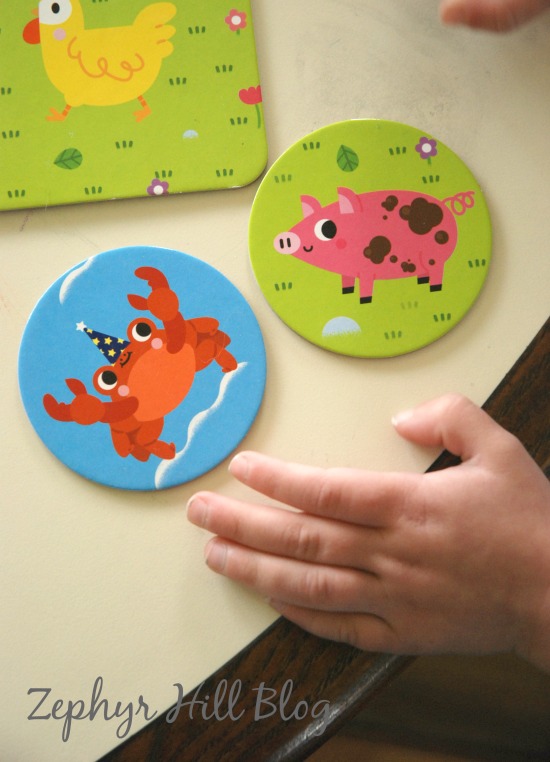
The game includes 6 durable habitat boards and 6 sets of round animal cards. Each player picks a habitat to play with, just as you would choose a bingo board, and the object of the game is to collect the 4 creatures that live in your habitat. We like to stack up the pile of animal cards in the middle of the table, letting everyone take a turn picking one off the top. The card is placed on the matching habitat, and whoever fills his habitat first wins.  Play time runs about 10-15 minutes.
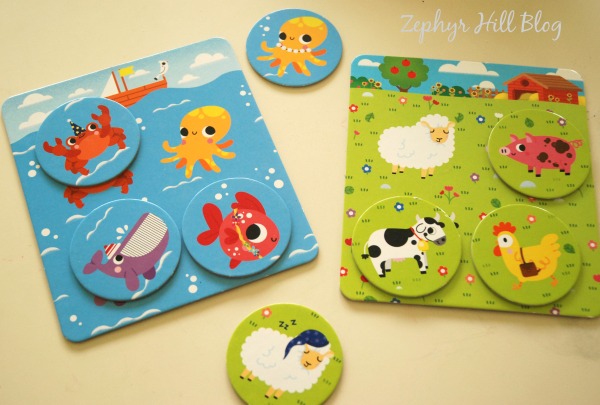
I’ve played many games over the years that were designed for children and they often suffer from fatal flaws like being too complex, or too boring, or sometimes just plain weird. Bad artwork is often a thing, too. Animal Bingo has none of the pitfalls of so many early learning games. The game pieces are vibrantly colored and oversized for little hands. The artwork is undeniably adorable. And you won’t spend a lot of time explaining rules to someone with a very short attention span. I actually found it a pleasure to play this game with my children, and that really says a lot! Their older siblings are eager to join in, too. Just last night we had players ranging from ages 3 to 10 and everyone had a grand old time.
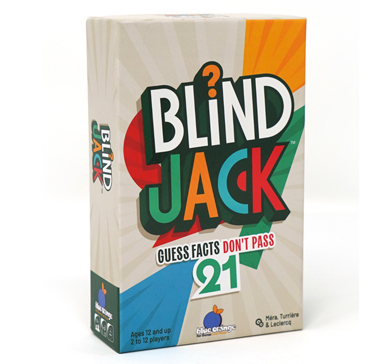
Another game that’s quick to learn but fun to play over and over with teenagers is Blind Jack from Blue Orange Games, where players must put their memory and trivia knowledge to work as they make estimated guesses and try to keep track of their opponent’s hand. With the ultimate goal being getting closer to 21, Blind Jack hones memory recall, estimating skills and general knowledge.
Here are some of our other favorites:

  • Sneaky Snacky Squirrel
  • Sushi Dice
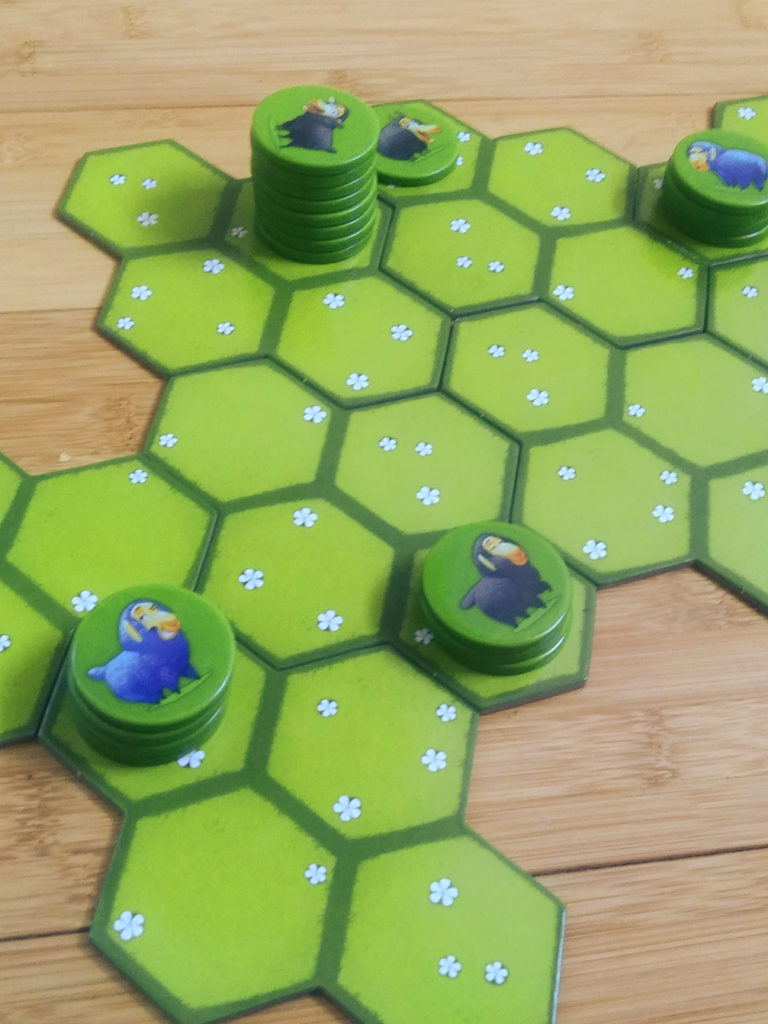
  • Battle Sheep (below)

Try Something Old

Think of a game you LOVED as a child and pull it out for nostalgia’s sake. You’ll have fun just because it’s so enjoyable to relive something with your own children.

Try some of these old favorites and see what your children think!

  • Hungry Hippos
  • Connect Four
  • Mancala
  • Operation

Try Something Online

Technology, used wisely and sparingly can be a learning and entertainment tool.

For example, sites like Culinary Tools have a wide variety of fun and educational games for all ages. Children can learn about cooking, healthy eating, letters and numbers, farming and running a business.

Our family loves to cook AND eat out, so I enjoyed letting my children try out the Cooking Fever game. It walks you through all the steps of food prep and serving, and then you have a goal for each round which gets harder and harder as time goes on.

There are also puzzles and logic games like Tetris and What’s Grandma Hiding? (a picture search puzzle in an old mansion). The graphics are really beautiful!

For more challenging online games that can boost learning at home, try these!

  • Planet Zoo (Steam)
  • Universe Sandbox (Steam)
  • Age of Empires or Civilization VI
  • Kerbal Space Program’s Rocket Simulator

What are your favorite games to play with children?

 

Filed Under: Home and Family Reviews, Homeschooling Tagged With: cooking games, educational games for children, games for children, online learning games, toddler board games

Resources for Teens Who are Considering Flight School

February 7, 2025 by Anne Marie 2 Comments

Are you interested in learning how to fly? When our son became interested in being a pilot, we all had a lot of learning to do. Whether it’s a private or commercial license that your teen is shooting for, flight school is where it all starts. This blog post is a “quick start guide” with some helpful resources for those who are just getting started.

Nothing can happen without either money or scholarships, so we’ll start with finances first. One thing I should mention right off the bat is that a flexible savings account might benefit your child more than the traditional 529. The latter can only be spent on qualified educational expenses, but UGMA accounts can be used for any purpose. That’s good to know just in case your teen ends up not pursuing flight school. A UGMA is a custodial account created and managed by the parents until the child is of age.

The Tuition

There are many ways to get funds for flight school. The most obvious one is something I hope your child is already doing right now – working and saving up money! That aside, here are some other financial resources:

  • Start a GiveSendGo campaign for your training
  • After saving up a down payment, apply for a student loan. I strongly suggest that parents do NOT co-sign on a loan for a young adult.
  • Look into Airline Sponsored Training programs which offer tuition assistance, stipends, travel privileges and other perks while still in school. They can also put you on a direct path to a career with a specific airline.
  • Apply for as many aviation scholarships as you can!

Keep in mind that unless your son has saved up a lot of money beforehand, there will be a period of time during school/training when he’ll be basically broke! Good options to offset this are a part time job or joining the Reserves.

https://meetfabric.com/blog/a-parents-guide-to-ugma-custodial-accounts

The Gear

Thankfully, this is a short list, because almost everything you’ll need for training is built into the program.

If you already have it, purchase a laptop or tablet (i.e. the Apple iPad), making sure to check the technical requirements of the school first.

When you first show up, a sturdy, medium-sized backpack for college is sufficient for stowing your papers, tablet/laptop and a good quality headset. Many pilots prefer the functional, minimalist look for their flight bag. Something more lightweight is also ideal, since space is limited inside of simulators and cockpits.

As far as clothing goes, this will depend on whether you’re getting a private or professional license. The latter situation obviously calls for classier dress, but don’t dress like a slob and show up in a hoodie and track pants simply because flying is going to be a hobby. It’s ok to dress down a little, but always show respect for yourself and others by the way you present yourself.

The Requirements

You’ll never get off the runway without a few basic requirements!

If you’re only interested in a private license at this point, you can fulfill your dream of flying in the US with no formal education. The good news is that after getting a private license, you’ll be 20% of the way to becoming a professional pilot if you so choose.

  • High school diploma or GED (for professional career)
  • Pilots must pass an FAA medical exam to fly. You’ll need to get a medical certificate from an Aeromedical Examiner (AME). Call the flight school to which you’re applying if a referral is needed.
  • You will also need an FAA Student Pilot Certificate to fly with your instructor.
  • You have to be at least 16 years old before you can solo an airplane (14 years old for operation of a balloon or glider), and 17 before you can be issued a pilot certificate.

Don’t go spending or borrowing a lot of money until you check out all your local options. Your son should be able to get a Private Pilot Certificate within 5-7 months.

Ready to Launch!

Once you’ve gotten all your ducks in a row, it’s off to “ground school,” where you acquire the practical knowledge crucial to flight planning and actual flying. Next comes flight lessons, first in a simulator and then in aircraft.

Best of luck on your journey to the skies! If you have any questions, experiences or advice to share, leave me a comment!


This educational post is made possible by a partnership with Responsival.

As an Amazon Associate I earn from qualifying purchases.

Filed Under: Faith and Family, Homeschooling Tagged With: flight scholarships, flight school, pilot training, private pilot license, student loans for pilots

How to Supplement a Homeschool Education

April 21, 2024 by Anne Marie 4 Comments

hssupplement1 Even if you already have a full curriculum in place, there are ways to expand learning opportunities and provide extra support in areas where your child needs improvement.
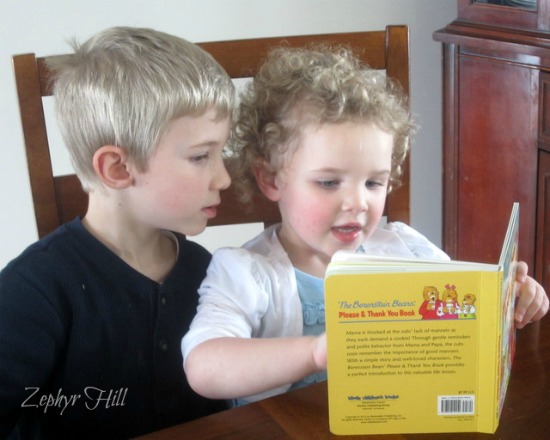

And it doesn’t have to be costly.

Here are some ways that we have supplemented our home learning over the years.

Field Trips: When you’re homeschooling, almost anywhere you go be turned into a learning experience. In fact, I’ll go even further than that. Your children are learning all the time! So tie this into your lessons when you can.

  • Volunteer at your church or in the community and use this to reinforce a civics or social studies lesson
  • Involve your child in the next grocery trip by preparing the list together, estimating prices and helping count money at the checkout.
  • Visit the zoo, a botanical garden, a local farm, nature center or hiking trails while studying biology, astronomy or zoology.
  • Visit a history museum when your lessons correspond to current exhibits.
  • Take your children to the state capitol or court house. Try to be there when elected officials will be available, or when guided tours are held. Also check into opportunities for teens to work as Pages in the state legislature.
  • Go to the fire or police department. Call ahead and see if they will do a presentation for your small group.

Online Programs: Digital resources are one of the easiest and most accessible ways to supplement your curriculum. Sites like FutureSchool are just one example. It’s a comprehensive math and English teaching system for American students and their families; FutureSchool utilizes a variety of tools like customized lesson plans, live teacher support and detailed progress reports.

Books: Think outside the textbook. Having your child read a novel that follows a textbook lesson (i.e. reading The Red Badge of Courage while studying the Civil War) is the most obvious strategy, but you can get even more creative. Use Egyptian paper dolls to supplement an ancient history lesson. Recite and/or act out parts of the Illiad while studying the history of Rome. Enjoy a book about constellations and the mythology behind them while studying the solar system.

Household Items: Toys, tools and even your digital camera can all help to expand your child’s education. Here some examples:

  • Help your child take pictures of plants and leaves with your digital camera for a nature journal.
  • Use tools from the garage to teach concepts like motion, force, gravity, magnetism, energy and simple mechanics.
  • Make a grocery store out of canned goods and let your child price and buy items for math.
  • Play a game of Monopoly to teach about interest, investing and mortgages.
  • Use the map or globe to play impromptu geography games.


Writing: Pen pals were a big deal in my childhood years; nearly all my friends (and all three of my sisters) had one! I wrote to a girl named Yujin Lee from China, and another from Wisconsin, for many years. We exchanged pictures, news, and jokes and I saved all the correspondence in a shoe box until college. Yujin’s beautiful and delicately written letters were something I looked forward to every month, as were the interesting mementos she would sometimes tuck inside from China.

There are other fun ways to encourage more writing!

  • Writing letters to the newspaper or a children’s magazine
  • Entering essay and poetry contests
  • Corresponding with local elected officials (yes, they are eager to hear from young people who are not of voting age yet).

Tutoring: Think outside the box. It doesn’t have to be an expensive private teacher. A “tutor” might also be the local mechanic that your son works with a couple of times a week or your daughter’s grandmother as she passes on her crocheting skills.

I’d love to read about the ways that your family has provided enrichment and additional learning opportunities to supplement your homeschool experience.


This post was sponsored by Future School. 

Filed Under: Faith and Family, Homeschooling Tagged With: cost of homeschooling, homeschool resources, lesson plans, online curriculum, online learning, online tutoring, supplement homeschool

5 Things That Make Teaching SO Much Easier for Me!

August 29, 2023 by Anne Marie 10 Comments


I’ve been a homeschool teacher for over fifteen years, and have now added two years of private school teaching to my repertoire. Here are five of the things that make my life as a teacher so much easier! Whether you’ve been in the trenches for a good long while, or are just getting started and need some pointers, this post is for you.

A Good Backpack:

Over the years I’ve tried a lot of different bags, with many different designs and bells and whistles. A lot of the hip and trendy stuff falls apart pretty quickly, so I decided to go looking for something better in 2023. I wanted a practical and minimalist backpack that was easy on the eyes, responsibly made and ready to work overtime.

Day Owl checks all the boxes with a harmonious design that includes plenty of storage (including a padded pocket for your tablet or laptop) and a company ethos prioritizes good stewardship of the earth and respect for laborers.

A Plan for Discipline:

First things first. How can you teach if you’re in a disordered learning environment? Getting your class under control is key to success (and harmony) all year long, and it starts from the day you first greet your students.

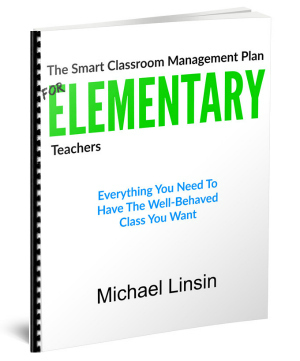
For years, I’ve benefited from the guidance and time-tested methodology of Smart Classroom Management. Michael Linsin’s Plan for Elementary Teachers is truly the best $7.00 I’ve spent as a teacher! He’s got another guide for high school teachers as well. You can follow SCM on social media and see Micheal’s latest videos here. Check out of his helpful titles on Amazon, too!


Markerboards and Music!

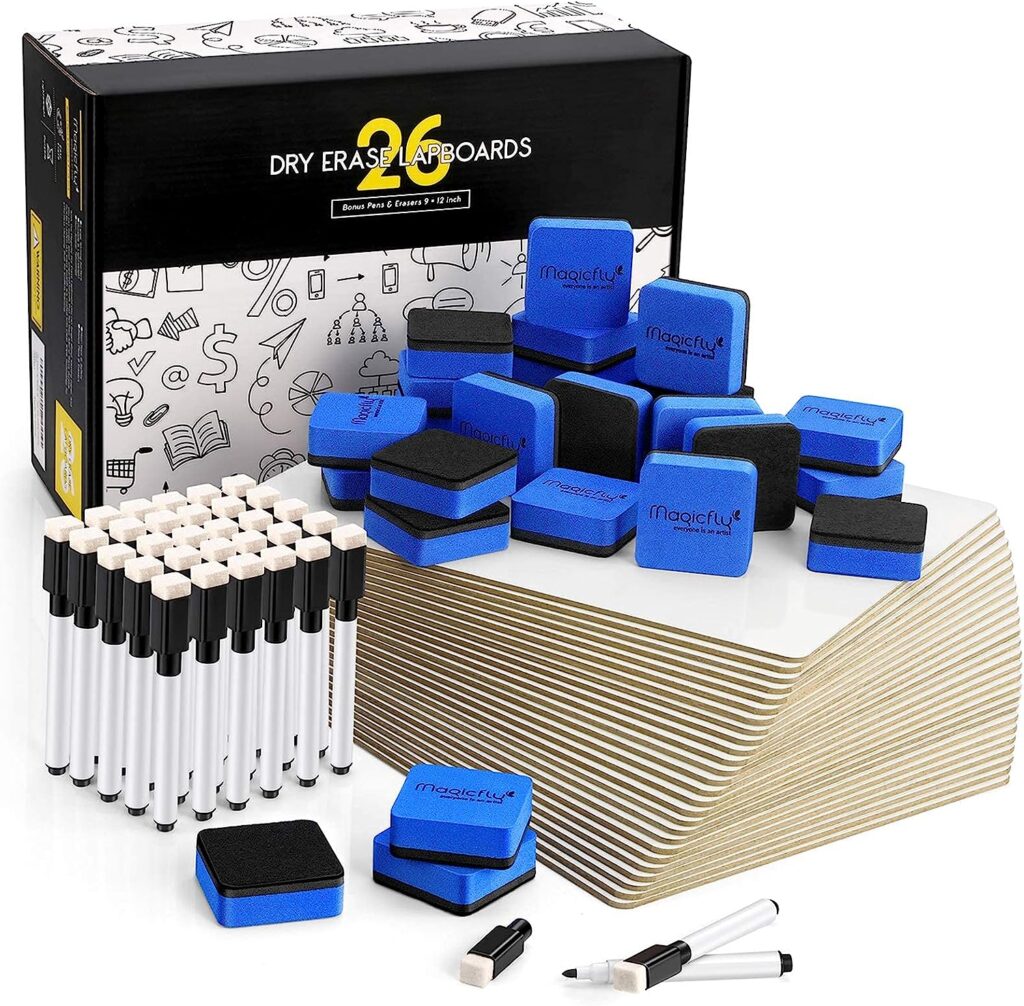
From encouraging a reluctant homeschooler to practice his math facts in a different way to assessing how well my first grade classroom is versed in phonograms, I’ve found that mini markerboards really help to grease the wheels of learning; they are both essential and fun. Plus, they save a lot on paper waste and are easier to erase when it comes to mistakes.

You can buy them individually for $1.00 and up at most any dollar store, or score deals on packs of multiples.

Music is a welcome addition to any classroom, whether you’re using it to memorize multiplication tables or teach letter sounds. It’s a different way to learn besides reading and writing, and will especially assist students with strong auditory abilities. I recommend a compact and easy-to-carry bluetooth speaker that delivers a lot of sound, like the iLive Orb. For even more fun, this wireless speaker has color changing lights!

Books, Books and Did I Mention Books?

I’ll confess up front that I buy books year-round. Could be the next selection for my monthly ladies’ book club, some new storybooks for my first grade classroom, or some classic novels for my homeschooling teenagers’ book reports. Or maybe it’s because I forgot a few textbooks we needed after school started. Oops!

No worries because I can always find a great deal on used textbooks, workbooks, fiction and nonfiction at Abebooks. Many sellers even ship free.

Pretty much any kind of book you need is on this site, and that includes calendars, teacher planners, dictionaries, atlases and journals.

Performance Pens:

It wasn’t until later in life that I discovered the term “pen snob,” and shortly after that revelation I had to admit that it applied to me. Since my youngest years, I’ve always appreciated a really fine pen, so much that I had a little collection which I jealously guarded, and experienced a secret joy when coming across another writing instrument that fired correctly on all cylinders.

Besides a basic writing pen, teachers also get a lot of usage out of colored pens (for grading, decorating, color-coding). Here are my favorites:

The Pilot V5: A top notch precision pen that’s always smooth and skip-free.

The TUL Gel Pen: With it’s elegant profile and smooth look and feel, the needle-point TUL is another of my favorite “precision” pens.

The Uniball Vision Elite: My favorite colored pen – vibrant, smooth hues that don’t fade! The 0.8 mm is my choice for labeling and for grading papers because it’s more bold and easy to read.

The Pilot Acroball: When I want to write with a finer, lighter hand, the Pilot Acroball Fine Point is my pick. It feels great in your hand and the ink last a good long while. Perfect for letter-writing and journaling.

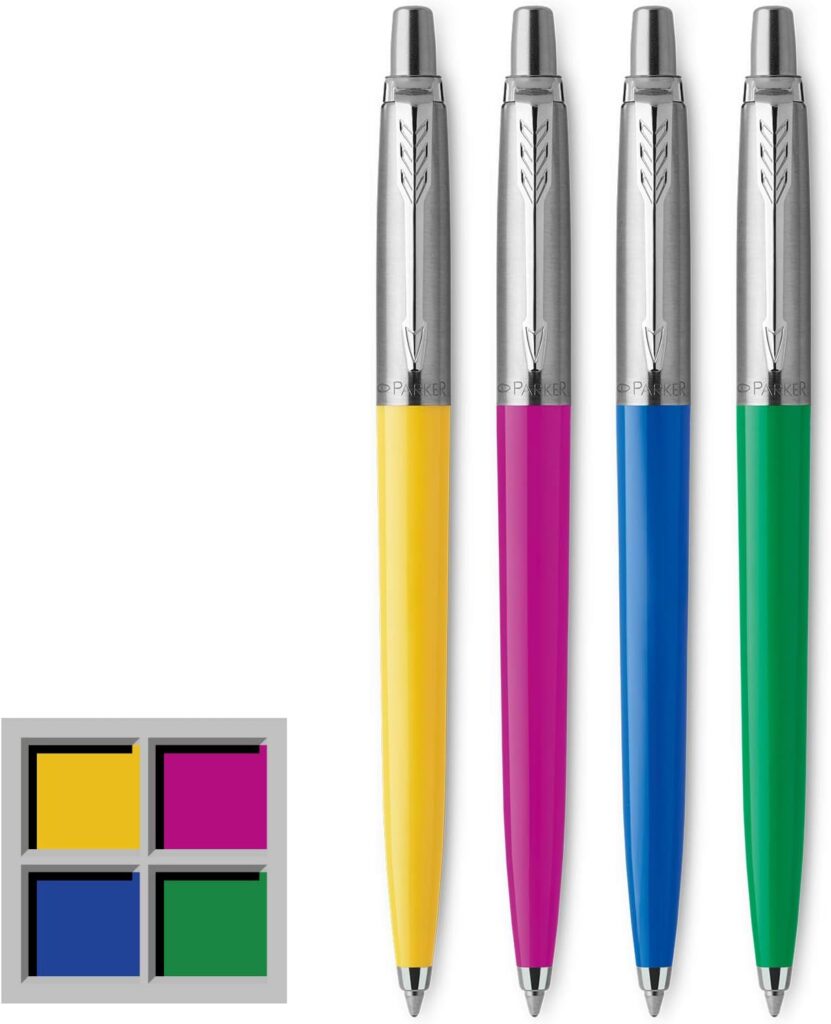
Parker Jotter: Remember how grown up you felt in school when getting to use PENS instead of pencils for the first time? I love the 1990’s vibe of these Parker pens! Smooth as butter and very comfortable to hold – you can’t go wrong with a workhorse like this.

What are some teaching essentials for YOU?


This post is made possible by partnerships with
Responsival and Asylum PR.

Filed Under: Homeschooling Tagged With: classroom discipline, classroom management, minimalist backpack, teacher backpack, teacher essentials, teacher must haves

Beautiful Coloring & Activity Pages for Ascension Day

May 18, 2023 by Anne Marie 1 Comment


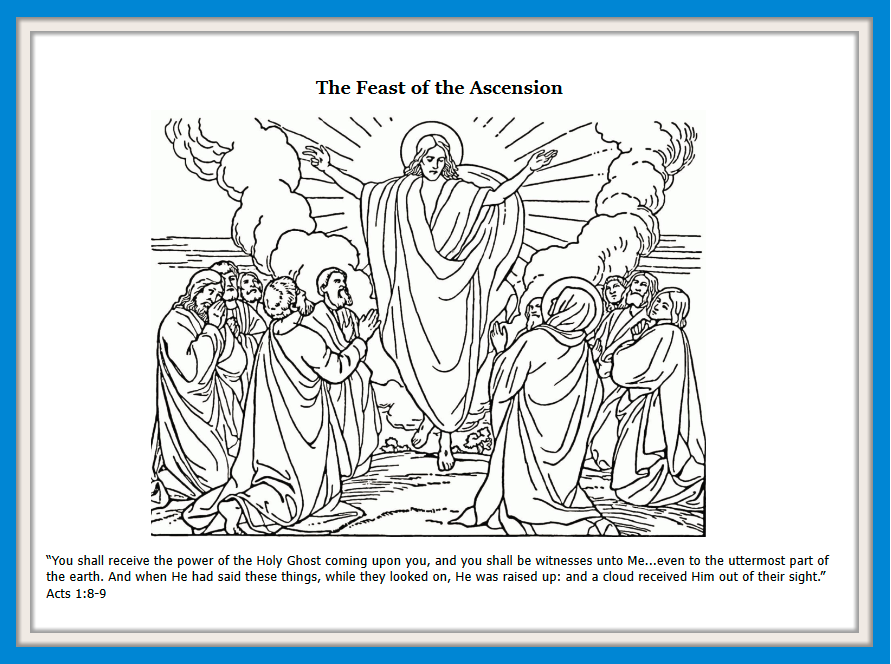
The Feast of the Ascension, forty days after Easter, commemorates the ascending of Jesus Christ to Heaven from Mount Olivet.

You can read the full story of this glorious event in Luke Chapter 1, verses 1-11. Here’s is a snippet.

“You shall receive the power of the Holy Ghost coming upon you, and you shall be witnesses unto Me…
even to the uttermost part of the earth. And when He had said these things,
while they looked on, He was raised up: and a cloud received Him out of their sight.”
Acts 1:8-9

It is a popular practice to begin a 9-day Novena to the Holy Ghost on the day after the Ascension, in anticipation of the next feast – Pentecost!

Here are coloring pages and activities to honor the feast day with your children.


A classical engraving: click here for full size.

This one includes a verse from the Bible. Click here for the printable PDF.

Here is a more ornate design, that might appeal to older children. Click here for the printable PDF.

A dramatic but simple design: the printable is here.

This one is inspired by an old Gustave Dore painting – printable here:

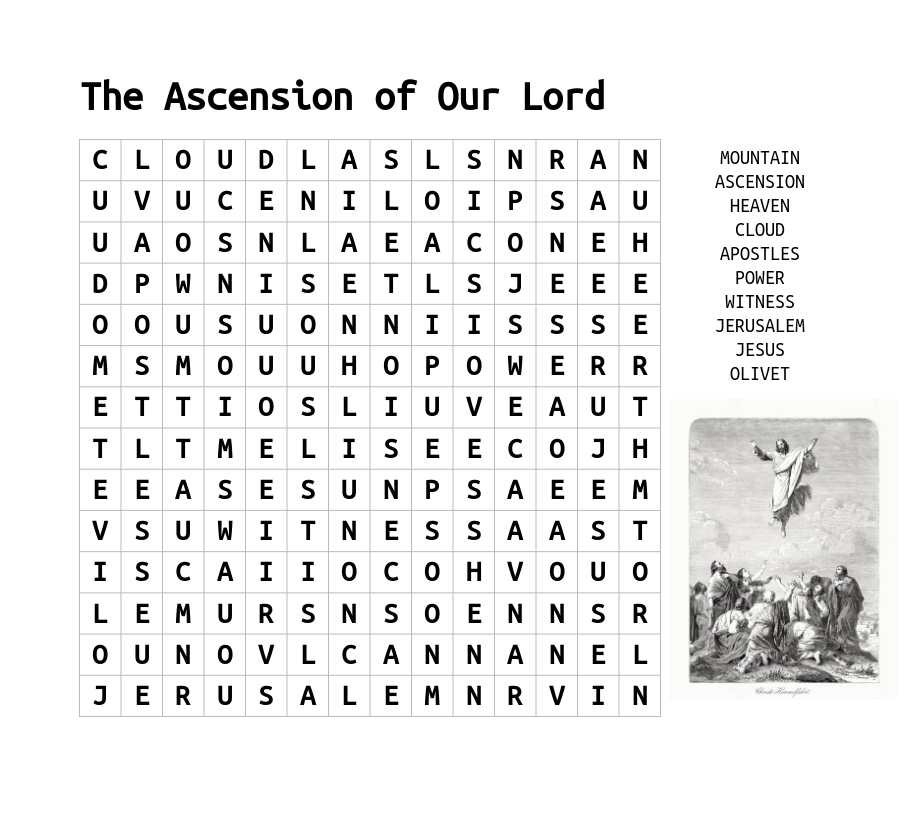
And finally, an Ascension Day word search, printable here:

Happy feast day!

Filed Under: Faith and Family, Homeschooling Tagged With: Ascension activities, Ascension coloring pages, Ascension Day, Catholic homeschooling, Feast of the Ascension

  • 1
  • 2
  • 3
  • …
  • 11
  • Next Page »

SOCIAL MEDIA

Newly Published

  • The Coop Upgrade Nobody Talks About Until It’s Too Late
  • Ignore the Radio Ads About Life Insurance, But Please Read This Post
  • Do Catholic Parents Have to Choose a Saint Name for Their Baby?
  • The BEST and Most Comprehensive Baby Name Books for Parents
  • Educational Games to Enjoy With Your Children

Popular Posts

  • Tiny Love Bouncer Review
  • Sweet Pea AI3 One-Size Diaper Review & Giveaway
  • 6 Common Homeschooling Mistakes to Avoid
  • Sweet Pea Bamboo AIO and Pail Liner Review & Giveaway
  • How to Study (and Teach) at Home With Less Distraction

Copyright © 2026 · Zephyr Hill Blog · Design by Albemarle PR

Copyright © 2026 · Albemarle PR - Hannah Template on Genesis Framework · WordPress · Log in