What to do About Your Dog…and the Mail Man
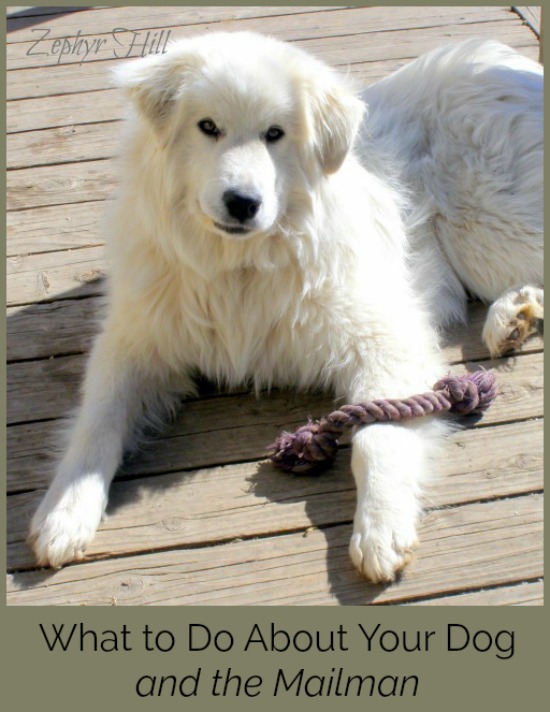
Does your dog go crazy when someone comes to your house to make a delivery? Should you worry about mailmen and other delivery professionals?
Are “good dogs” a cause for worry?
A large number of attacks on mail carriers are from dogs whose owners regularly stated, “Our dog doesn’t bite.” The postal service OSHA Senior Director Linda DeCarlo said “When our mail carriers are bitten, it is usually a ‘good dog’ that had not previously behaved in a menacing way.”
Why do dogs become aggressive towards the mailman?
From his perspective, perhaps he sees the carrier’s daily visit as an invasion into his territory. Your dog barks and growls and the mailman quickly leaves, just like an intruder would when caught. And then he comes back the very next day to try again! This is a challenge to your dog’s repeated warnings!
If you have a mailman that tries to be assertive, that can actually made the dog even more mad. Or when the “intruder” turns his back to walk away, a fearful dog may get a boost of confidence and see this as an easy opportunity to go on the attack.
Some dogs adopt bad habits like chasing mailmen and vehicles because they are bored or anxious. Keeping your dog secured, with regular periods of activity, and providing durable chew toys, are important tools for preventing bad behavior. This is especially important if you have a dog with a strong, aggressive need for chewing or oral stimulation. I highly recommend a high quality, long-lasting treat to help reduce boredom, anxiety and stress.
What do the statistics say?
Judging by the most recent numbers, more than 5,800 mailmen were attacked by dogs, according to US Postal Service statistics.
If you own a dog, keep these three important things in mind:
- Your dog’s behavior is your responsibility.
- You should carry homeowners insurance.
- Mail carriers have the right to carry and use pepper spray, or even refuse to deliver if a dog is deemed a real threat.
Thankfully, there are ways to make sure your dog doesn’t become a statistic…or get you into legal trouble! Let’s explore this in a question and answer format.
Should I get rid of my dog?
There’s no need to send your buddy packing after a minor incident. The “one bite and you’re out” policy can be completely unfair and unrealistic. Do we say that about cats? “One scratch and it’s goodbye.”
What matters most is the facts, and the circumstances of the incident. If a good-natured dog nipped at your child because he got his tailed yanked while eating, it would be unfair to say the dog was at fault or to assert that because he nipped “he’s not a good dog.” But if you adopted a dog from the shelter with an unknown past and he’s nipped your mailman several times, re-homing might be the best option if you’re not equipped to deal with the time and cost of appropriate rehab and training.
How can I prevent this from happening in the first place?
Here are a few practical things you can do:
- Get a bigger mailbox. If your mail carrier is having to get out of the truck and hand you packages on a regular basis, save him and your dog from a scuffle by installing a larger box that will hold parcels. And even if you have your dog confined, the daily episodes of growling and barking may be really getting on your nerves. Having a bigger box close to the road means your dog may never even be aware when deliveries are made. We invested in the extra large Gilbraltar box and our rural carrier actually thanked us personally he was so pleased!
- Get a post office box. This might be a good solution if you live in a rural area where free-roaming and livestock dogs are more common.
- Properly restrain your dog. For an inside dog, this is simple. Isolate him in a room with the door closed when the doorbell rings. Don’t assume that just because you’re answering the door, there won’t be an incident. Dogs, even “well trained” ones, have been known to get excited, rushing right past their owner to menace a visitor, ignoring commands in the heat of the moment. Outside dogs can be kept in a fenced enclosure or a pen. At our mailman’s request, we kept our collie-mix (below) inside for the short period of time that the mail route was run on our street. From about 11 am to 1 pm, Jasper would hang out happily in the garage.
- Take time to socialize him. Carefully introduce your dog to different people and situations so that he’ll be generally more calm and sociable. This is especially important for rescues or animals whose past history is unknown.
- Offer treats and toys. As touched on earlier, high quality toys and treats will help reduce anxiety, stress and the desire to chew and nip.
- Avoid problematic breeds. Pit bulls are involved in more dog attacks than any other breed. The American Animal Hospital Association reports this breed was responsible for 22.5% of bites across all studies. Mixed breeds were a close second at 21.2% and German Shepherds were the third most dangerous breed, involved in 17.8% of bite incidents. Pit bulls are also most commonly involved in fatal dog attacks, with Rottweilers and German Shepherds coming in second and third.
 What do I do in case of an incident?
- Confine the dog and assess the victim’s condition. Call 911 if injuries are very serious.
- Apologize profusely to the victim and talk reasonably with him. He may be understandably angry or upset so wait until things are calm to have a fruitful discussion.
- Ask what you can do to make things right. If your dog was previously allowed to roam without restriction, assure the victim that you will confine him in the future. Give the victim your number and express a willingness to rectify in whatever way you can.
- Unless you personally witnessed cruelty or misconduct on the part of the visitor DO NOT try to exonerate your dog. Telling a victim “he never bites” or “he’s really well trained” will accomplish nothing.
- Do not file a claim with your homeowner’s insurance company if you do not have to. This may raise your rates.
- If there have been multiple incidents with your dog despite preventative measures, consider professional assistance, or re-homing the dog to a qualified and knowledgeable person or rescue organization.
How does your dog react to strangers and delivery personnel? What are some tips you have for prevention and remediation?

This post is a sponsored collaboration with Responsival.
Basic Tick Control and Maintenance Tips for First-Time Dog Owners

Spring is here, and so are the ticks and fleas! Unfortunately, even dogs with a clean bill of health are susceptible to these annoying and illness-causing parasites. If you’re a first-time dog owner, it helps to know about the potential harms associated with ticks and how pups pick these bugs up.
How Ticks Operate
Ticks are a parasitic arachnid (yes, they have eight legs!) that attach themselves onto any part of a pet’s body—most commonly behind the ears or under their tail—and suck its blood. In mild cases, tick infestation results in skin wounds and itching; more severe cases may lead to worse complications such as anemia, bacterial infections, and other life-threatening diseases.
Ticks hang out in bushes, shrubs, and tall grasses, which makes your dog vulnerable during outdoor activities like daily walks or just playing outside. And once ticks get into your dog’s environment, they can multiply by laying eggs.
Getting Ahead of Ticks
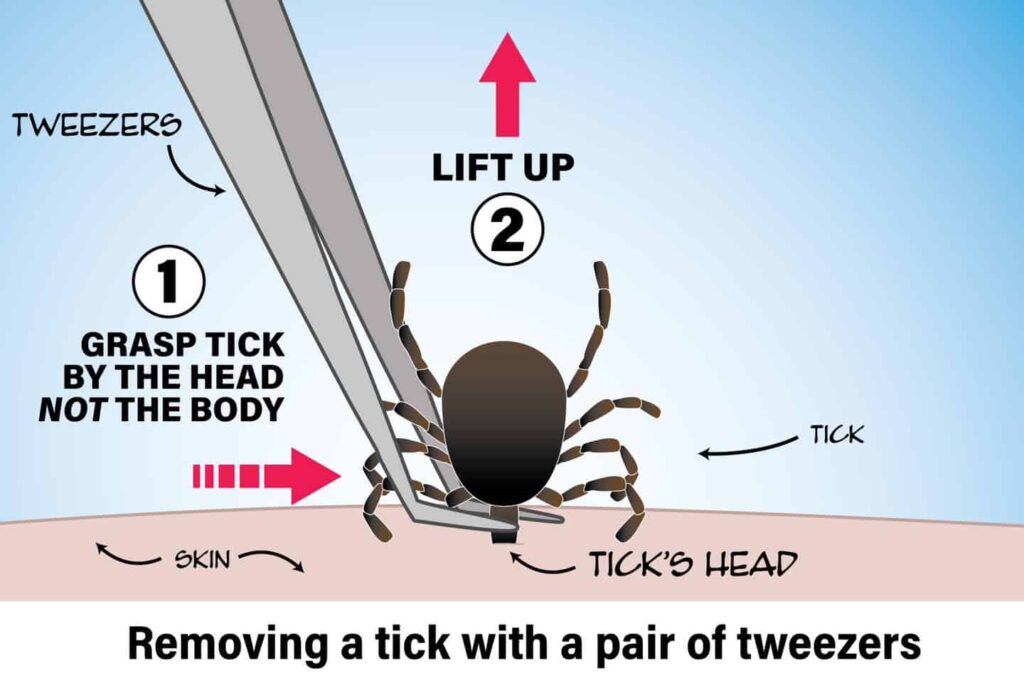
Knowing that ticks are usually picked up by dogs when they spend time playing outdoors, it’s important to do a quick check after extended time outdoors. If you spot the easily recognizable black or reddish brown tick, carefully pluck it off with a pair of tweezers and dispose in the toilet (see below). Don’t use your bare hands to pick them off, as some kinds can pass on tick-borne diseases.
Basic tick control means ensuring your dog’s cleanliness. This isn’t limited to regular bathing and grooming; it also applies to keeping their belongings clean. Regularly clean your pet’s bedding, custom dog blankets, and carpets to rid the environment of any ticks and their eggs.
Dealing With an Infestation
Given their tiny size and how they are so adept at hiding in your dog’s fur, it’s easy to miss one or two ticks sometimes. Signs that a tick (or two) might have slipped through the radar include:
- Increased scratching
- Increased biting and licking
- Red, irritated or bare patches of skin
For dogs who are especially furry, combing their hair regularly might help you get a better look at their skin and spot any tick bites early on.
If you’re already dealing with a tick infestation, then you’ll need to invest in the right anti-tick products for more effective treatment. It’s easy for a first-time dog owner to experience choice fatigue what with so many options available in the market, and to be worried about choosing a product that’s both effective and safe for a dog.
My personal choice are the oral tablets or meat-flavored chews that you can feed your dog. They last for an entire month and will completely kill fleas and halt the egg-laying process.
Another type of product is spot-on, which entails direct application onto the dog’s body. While this product’s main purpose is to kill ticks that are already embedded onto your pet’s skin, it can also function like a protective layer that repels or eliminates any potential parasites before they can even make contact. So they do have that edge over chews, but can be more expensive.
Don’t Ignore Warning Signs
If a tick infestation has made your not dog not just itchy but sick, get him to a vet right away. Untreated, tick-borne illnesses can be extremely damaging if not fatal. Look out for:
- Lethargy
- Loss of appetite
- Infected bites
- Difficulty with movements
- Stiffness or paralysis
- Unexplained bruising or bleeding
Conclusion
Given their active lifestyle and love for the outdoors, dogs will always be at risk of having a run-in with ticks. But knowing the warning signs and dealing quickly and decisively with these pests is well worth it to ensure your pet’s health and happiness.
For more pet and animal advice from the Zephyr Hill Blog (including lots of name ideas!), click here.
50+ Valentine-Themed Names for Your Pet

Are you bringing home a new pet around Saint Valentine’s Day this year? Or maybe there’s a litter due this February and you’re looking for name inspiration. Here are some Valentine-inspired name ideas to get you started:
Sweet
Candy
Caramel
Cuddles
Dove
Godiva
Hershey
Honey
Kit Kat
Lovey
Sugar Baby
Sweetheart
Teddy
Toffee
Tootsie
Truffle
Colors
Cherry
Pinky
Redd
Ruby
Scarlet
Violet
Flowers
Carnation
Daisy
Iris
Ivy
Lily
Lotus
Marigold
Poppy
Rose
Zinnia
Romantic
Amor or Amora
Beau
Belle or Bella
Carnation
Casanova
Cherie
Cleopatra
Cupid
Darcy
Desiree
Don Juan
Elvis
Rose or Rosie
Lancelot
Lorenzo
Paris
Penelope
Rhett
Romeo
Tristan
Valentino
Venus
And here’s a fantastic Valentine gift idea for a pet lover in your life!
Have you ever thought about doing a custom pet portrait? It’s easy to do and creates a memorable piece of artwork to display in your home or office. The process is very simple. Just upload a good clear photo of the animal and then choose one of over 100 different canvases, ranging from Renaissance nobles to military generals. An artist will then work with your digital image, blending it into the canvas in a lifelike way and producing a custom pet portrait that’s completely unique.
Look at this custom pet portrait we did featuring our pug, Spartacus!

And if you love sending REAL Valentines, whether by mail or in person, Amazon has some fantastic vintage-inspired animal cards with clever little messages.

And if you still need name inspiration, I’m here to help! Check out my new naming service for 2023.
This post is a sponsored partnership with Responsival.
The Cute Names That Children Choose for Their Pets

Joseph holding his favorite kitty, Pixie
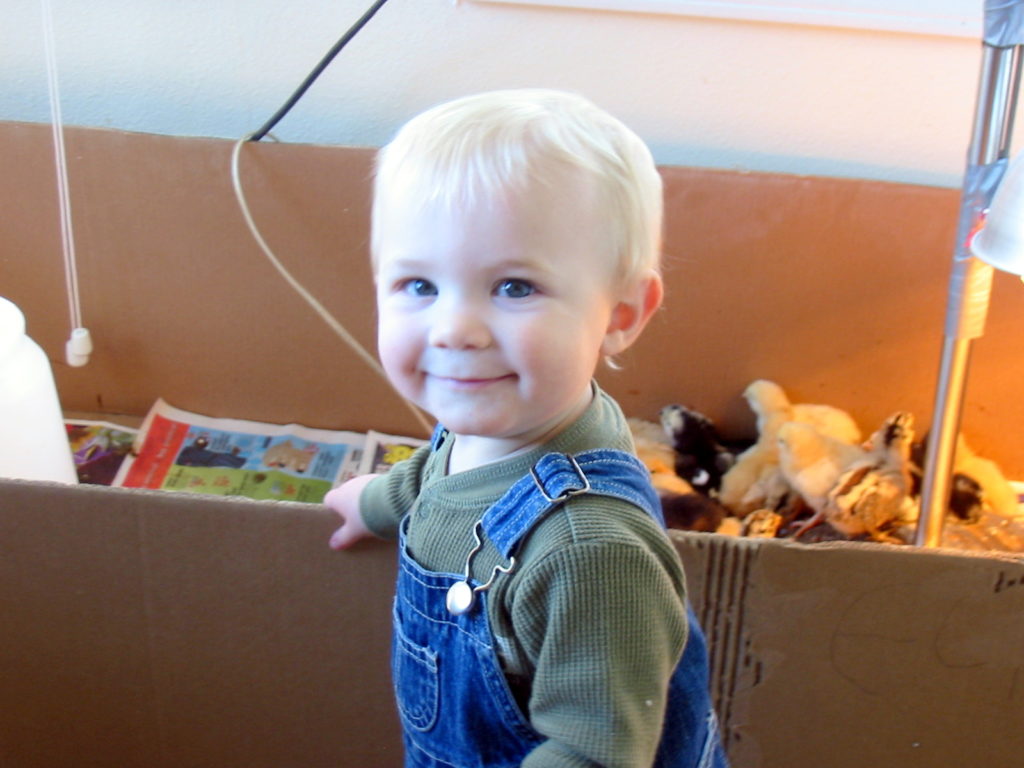
When we first moved to Zephyr Hill Farm, ordering a small batch of baby chicks from the farm store was the first of our adventures. Every morning we would be treated to a cheery chorus of peeps and cheeps. Children love to hold the tiny birds and stroke their fuzzy tummies. Sometimes the surprised baby birds are even treated to a quick smooch on the beak!
The children had all those chicks named within 24 hours, and the names were so cute, I wanted to share this old memory with you since Easter’s just around the corner.
Joseph, at age nine, had super heroes on his mind. The names he picked:
- Flash
- Dart
- Lightning
I like how they echo the speed and alertness of backyard chickens.
Catherine picked:
- Eggert
- HawkMan (who actually turned out to be Hawk Woman hahaha)
Isn’t Eggert so very distinguished?
Toddler Benjamin went with his heart and named his:
- Fuzzy Wuzzy
- Cheepy Weepy
Here are some other pet names we’ve used over the years, just to give you some inspiration:
- Dante
- Poseidon
- Pearl
- Cricket
- Claude
- Starbuck
- Sabrina
- Lafayette
- Skippy
- Contessa (Tess)
- Bandit
- Blackjack
- Caspian
- Solomon
- Foxy
- Corduroy
- George
Need more pet name ideas? Check out these posts!
How to Choose a Great Pet Name
Holiday-Themed Pet Names
300+ Pet Names Based on Personality and Color
A fresh, bright-eyed baby chick is such a wonderful reminder of nature’s renewal each Spring, and of the glorious resurrection of Christ, who gives life eternal to all who receive Him. May you have a blessed Holy Week and a glorious Easter!
- 1
- 2
- 3
- …
- 5
- Next Page »