Zephyr Hill

A Family Blog

Header Menu

  • Home
  • Contact Me
  • Terms / Privacy
  • Homeschooling
  • Faith and Family
  • Book Reviews
  • Cloth Diapers
  • Pets

My Favorite Homeschool Planner and Organizer

July 30, 2015 by Anne Marie 3 Comments


Everything changes, and that includes the way that families home school. When we first started 7 years ago, I bought a lesson planner for each child and spent about an hour every week jotting down assignments and plans by hand. It quickly became something that I put off. It was another thing to do, and a very tedious thing at that.

Fast forward 7 years. My planning and organizing is faster and more streamlined now because of Homeschool Tracker. For about two years, I’ve been using the software program installed on my PC. This summer, my affiliate – Homeschool Tracker – sent me a complimentary subscription to their online planning program, and I’ve been giving that a test drive. Homeschool Tracker plans start at less than $5 per month, so it’s highly affordable.

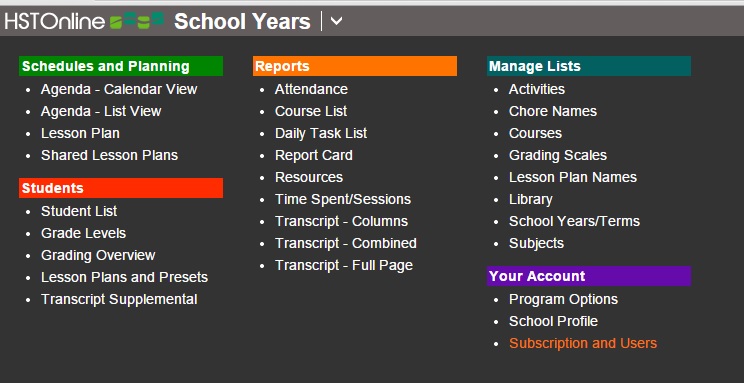
The main hub of Homeschool Tracker online looks like this. Here’s where you access all the tools and options.
hst2

Here are my 4 favorite things about Homeschool Tracker, and why I keep using it year after year:

  1. You save time and money by creating reusable lessons plans. Your work is never wasted. Here’s a practical example: When your oldest child is done with first grade, you won’t have to make any lesson plans for your next first grader.
  2. There’s no need to work on lesson plans throughout the year. I sit down in July or August with any new books that we will be using in the coming year, and put the assignments into Homeschool Tracker. As mentioned above, there’s rarely anything that needs to be done for younger children; they can use the plans I’ve already saved from previous years.
  3. All of the data you put into the program can be made into printable reports, assignment sheets and transcripts.
  4. If doing all the planning yourself seems daunting, tap into the shared lesson plans provided by the Homeschool Tracker community.

After initially setting up your school year and your students, you’ll spend most of your time at the green “Schedules and Planning” tab (calendar and lesson plans) and the light orange “Reports” tab (assignment lists, reports carts, attendance).

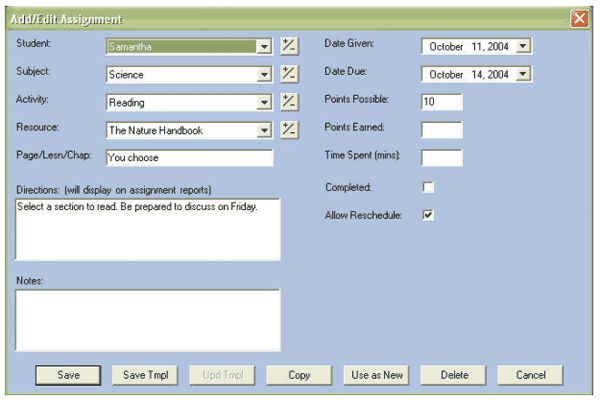
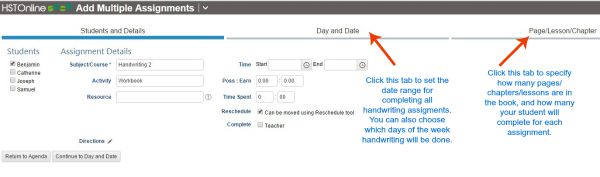
Lessons can be as simple or as complex as you like, so if you aren’t a super organizer or a computer geek, don’t worry! For instance, I set up Benjamin’s handwriting lessons for the whole year by simply telling Homeschool Tracker how many pages are in the book, which days I want Benjamin to do handwriting, and how many pages each time. The program evenly distributes these preferences within the date range of our school year. Voila! In just two minutes, one subject is planned out for the entire year. I do this in turn for each subject Ben is doing for 2nd grade. Every Monday of the year, I’ll log in and print out his weekly assignment list. He can check the boxes when each task is done.
Here’s what it looks like as I add Benjamin’s handwriting lessons for the whole year. Under the Agenda tab I choose “Add-Assignment-Multiple,” since I’m planning out a year’s worth of handwriting assignments.
assign

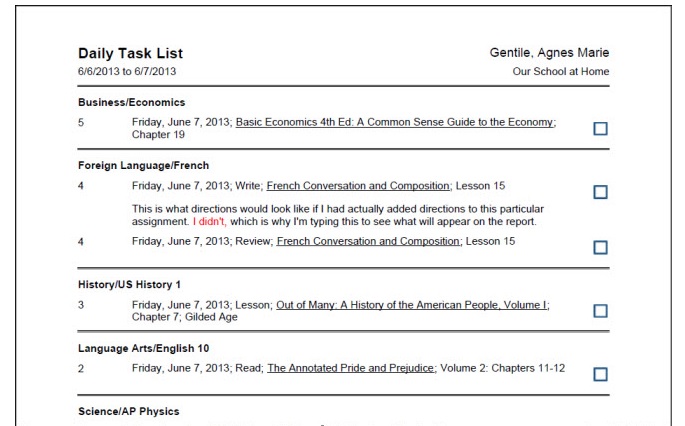
Here is an example of a task list:

task

There are just a few basic steps you follow to get your home school on track:

  • Activate your account.
  • Set up your school! Give it a name, add your students and input the dates of your school year.
  • Start planning. Add courses, subjects and assignments.
  • Print assignment lists and reports whenever you want.
  • Input grades and/or check off completed tasks.

Because it’s online, Homeschool Tracker goes where you go. That means you’ll have plans and schedules accessible wherever life takes you. There are a LOT more options and features in Homeschool Tracker online that I haven’t even tapped into yet, but will continue to share with you as we use the online program.

All the options in Homeschool Tracker may seem overwhelming, and they might be if you tried to navigate it alone. Thankfully, there are lots of easy-to-follow You Tube videos which walk you through the basic features of the program, and will help you get started with planning and assignments. Each video includes simple instructions and very clear screen shots. I use these videos whenever I have a question, or need to be walked through a certain feature.
hst1

Here’s how you can follow on social media:

Homeschool Tracker on Facebook
Homeschool Tracker on Pinterest

It’s so nice to have my school year all planned out already, and all our assignment lists ready to print. There’s nothing we need to do now except wait for school to begin in August! Is Homeschool Tracker right for you? Jump right in and take an online tour! Then come back here and let me know what you think!


 

Filed Under: Home and Family Reviews, Homeschooling

Free Printables and Coloring Pages for Advent

November 30, 2014 by Anne Marie 10 Comments

adventprintables

Advent is a time of preparation…and anticipation! Enjoy these fun and free printables to help your children along the Advent path to Christmas when baby Jesus comes.

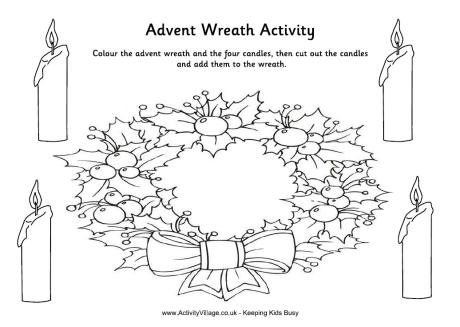
Here’s a simple Advent wreath to color. Cut out the candles when you’re done and paste them onto the wreath. Click to print.

001

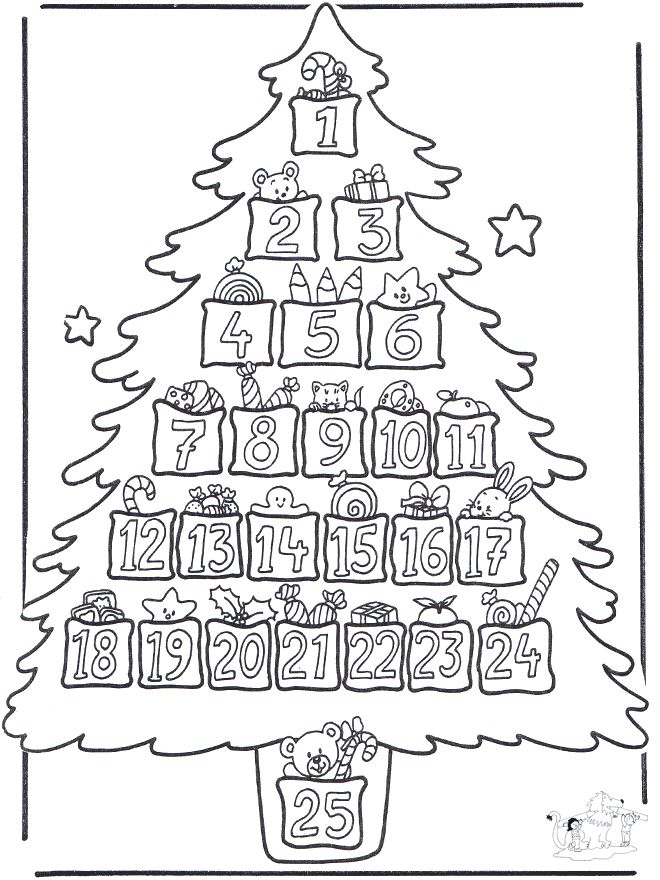
This printable features a Christmas tree with ornaments to color, one day at a time. Click the image to print a large version.

adventtree


Found on dibujos.org

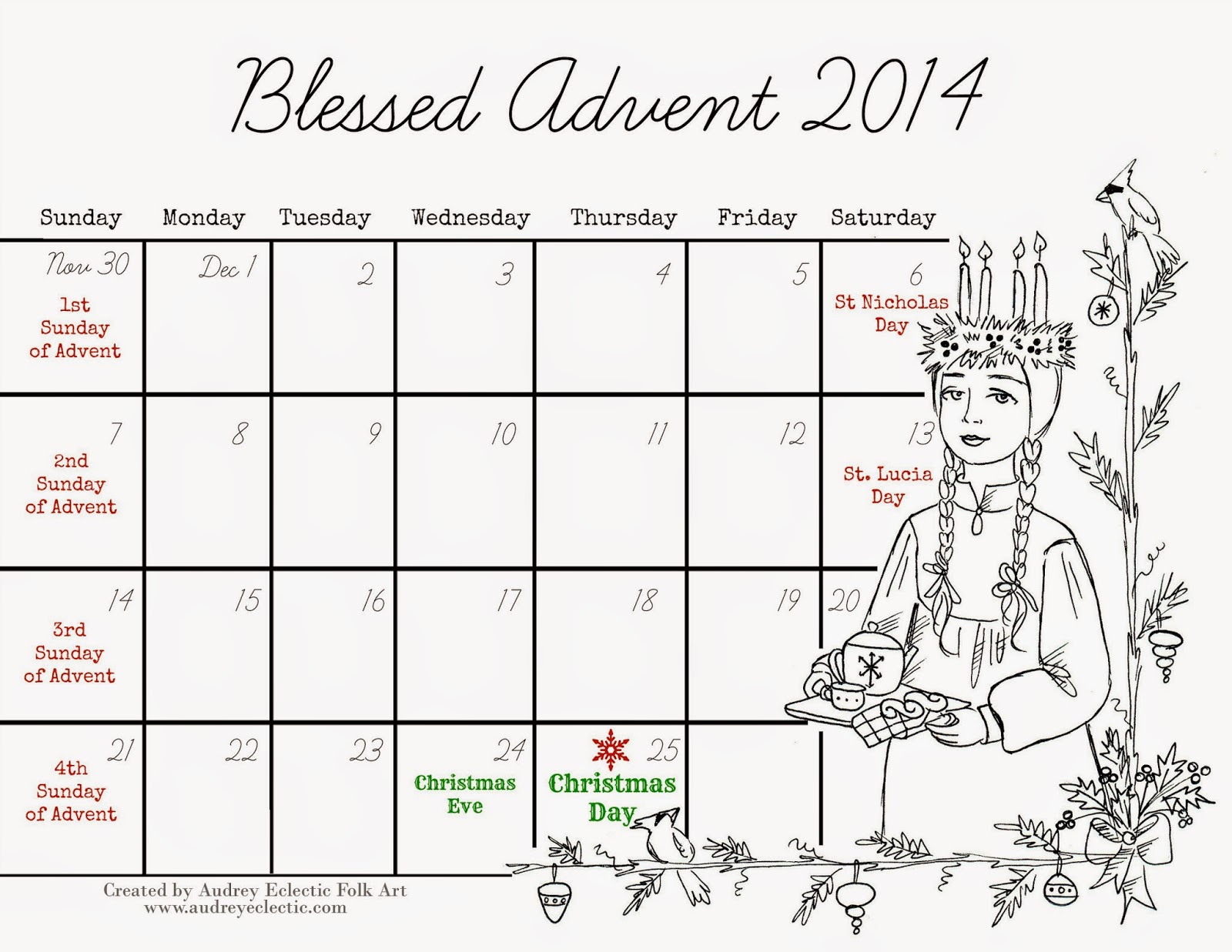
Here’s a beautiful, hand-drawn Advent calender which is extra nice because it notes the Sundays of Advent, plus the feast days of St. Nicholas and St. Lucia, both of which come with their own rich traditions! Print the full version from the Audrey Eclectic Folk Art blog.

advent

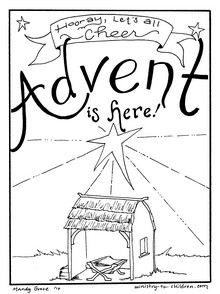
Children can color this at the beginning of Advent and hang it on the fridge. Draw or paste an infant Jesus into the picture at Christmas! Click here to print full version from Ministry to Children.

adventhere

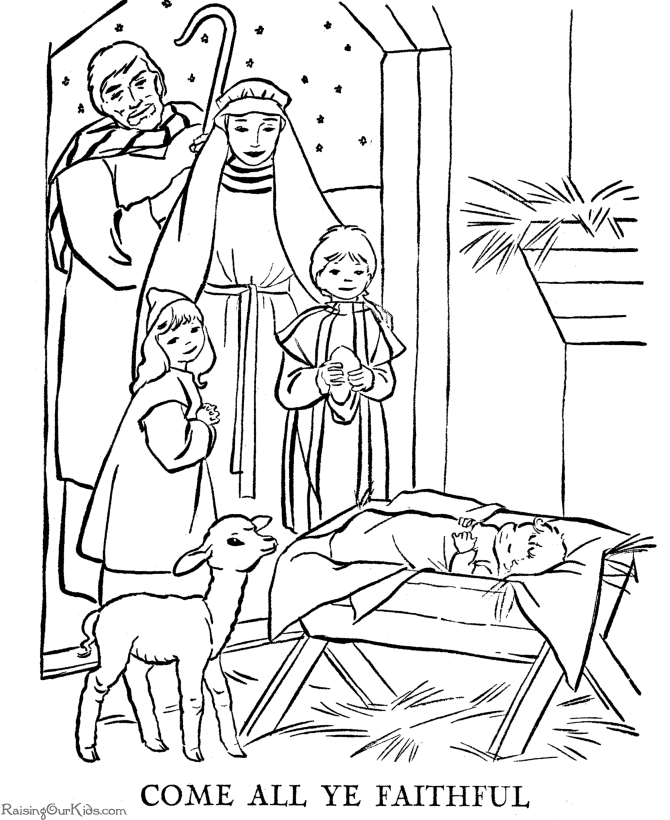
At the end of Advent, Jesus comes to Earth at Christmas as a little child. Here are two coloring pages of the Holy Family, a traditional one from Raising Our Kids (click here to print) and one styled especially for young children.

advent3

advent2

And here are a few stained glass printables, including the Holy Family image featured at the beginning of the post. To print these stained glass windows, right click and choose “Open Image in New Tab.” Then use the Control-P feature to open your printer dialog.

These can be colored and glued to cardstock or cardboard and made into ornaments by punching a hole at the top. Or you can make Christmas greetings from them. Children can use them to decorate their folders and binders. They also look pretty taped on a window or door pane.

nativity1

nativity2

Do you have any Advent crafts or activity pages to share?

annesignature

Creative K Kids

Filed Under: Homeschooling

4 Important Money Lessons for Children

January 23, 2014 by Anne Marie 31 Comments

After making plenty of money mistakes when we were single and first married, my husband and I got on a written budget five years ago and today are happy to have only our mortgage when it comes to debt. There are four important money lessons we want to instill in our children, and I’m thrilled to have found a program for children ages 6 to 11 called Money Savvy Kids that helps reinforce these principles!

1. Don’t spend any money until you have a plan for it. Even if it’s just five dollars in a piggy bank, school age children can be taught to allot their funds for different purposes. Money decisions take time, and parents can help children with the choices they will face when it comes to buying, donating and investing.

2. Create incentives for donating, investing and saving. Your child will find it easy to spend money on things they want. But it might be difficult to encourage saving, investing or even donating their money. So create incentives like matching their amounts. If they save up $10 for a bike, offer to add another $10. If they accumulate $5 to give to the parish poor box, add $5 of your own to double their donation.

3. The sooner you begin, the sooner money can go to work for you. Don’t delay putting the principle of interest to work; the earlier a child starts a savings account, the bigger the rewards will be later on. (Hint: you can even start a savings account for your newborn baby.)

4. Avoid borrowing when possible. Borrowing from someone else creates a financial burden; you’re never really “free” until that obligation is paid in full, and the more debt you have, the less income you have to work with on pay day. A child can mistakenly assume that borrowing is a quick and easy way to get money, but there’s nothing quick or easy about paying the lender back!

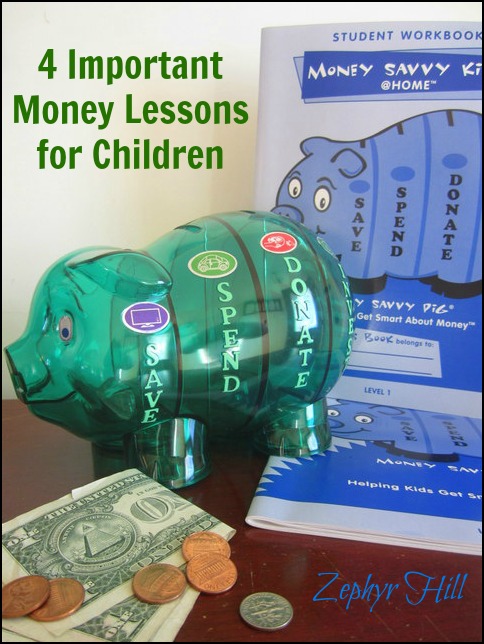
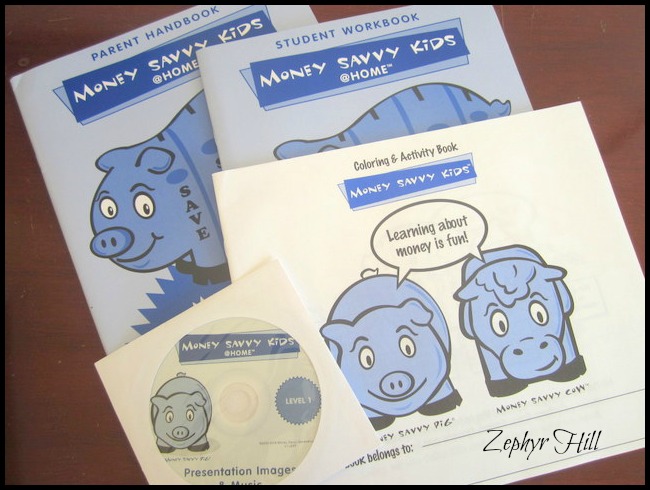
The Money Savvy Kids home edition that we received free to review includes:

  • Money Savvy Pig piggy bank and goal setting stickers
  • 44 page soft-cover Parent Handbook
  • 8 chapter CD-ROM with over 100 color images and four sing-along kids songs about money
  • 21 page soft-cover Student Workbook
  • 22 page soft-cover Money Savvy Kids Coloring and Activity Book
  • 17″ by 22″ When You’re Smart with Money Poem Poster

It retails for $39.99. If you have more than one child that will be using the program, an additional kit containing another bank plus the workbooks and stickers can be purchased for just $23.99.

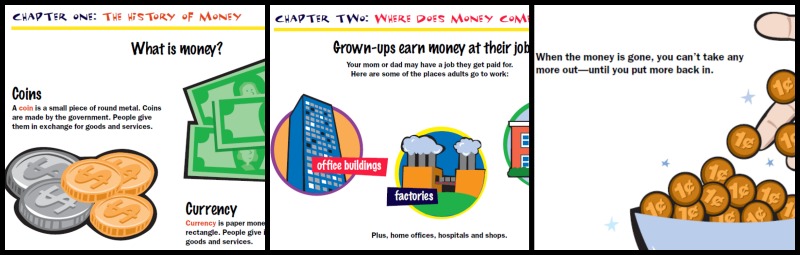
The eight CD-ROM lessons are very enjoyable and easy to understand. Simply pop the CD into your computer and a colorful PDF document opens up that contains all the chapters. I sat with Joseph and Catherine in front of the laptop as we read each lesson aloud. The program starts out very logically with a chapter about the history of money. My children loved learning about the bartering process used in ancient times and as soon as Daddy came home, they shared some facts from the lesson with him.

Here are a few screenshots to give you an idea of how colorful and engaging the lessons are:

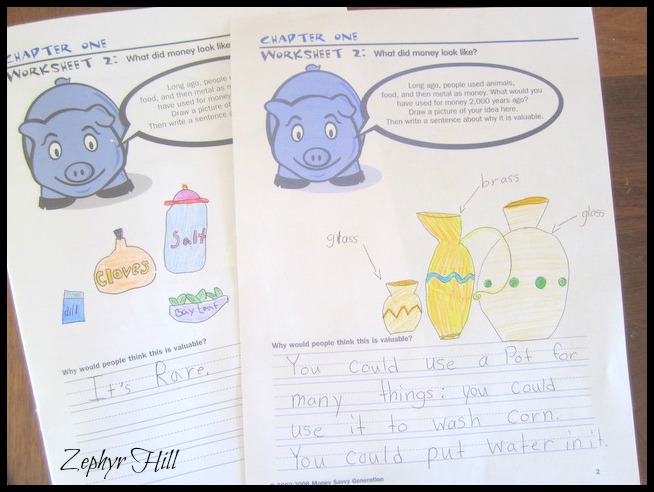
There are fun workbook activities to go along with the lessons:

I personally found the Discussion Guide for Parents to be a great resource as we worked our way through the lessons. The commentaries from Susan Beacham (nationally syndicated finance columnist and founder of Money Savvy Generation) are very insightful. The four songs on the CD are entertaining to listen to, and they are sung by children, so that adds an element of fun. The first, which is about the history of money, was our favorite. Out of all the course materials received, the least-used item would probably be the money poem poster, mostly because it focuses heavily on making and spending money.

It took us about 45 to 60 minutes to complete one chapter plus the corresponding activities. I would say that’s an ideal amount of time for the 6 to 11 age group. You could do 1 lesson a week or even a couple per week. It’s ideal for home learners and private/public school students. Unfortunately, most children aren’t really introduced to financial concepts until high school, yet they deal with money from the time they are very young. Why not start early and get the core principles instilled right off?

Another bonus: doing a program like this with your child at home starts a conversation about money, and that’s an important one to have. Children frequently ask for things (toys, books, clothes, candy, you name it!) and the typical parental response (guilty mama here) is to put them off by saying things like “maybe” or “one day” or “perhaps for your birthday.” When you’ve taught your child some basic money principles like those found in the Money Savvy kids program, your conversations can be more meaningful. You might instead say “you could save up for that toy using your bank. Let’s write down how much it costs and see how much is in that slot when we get home.”

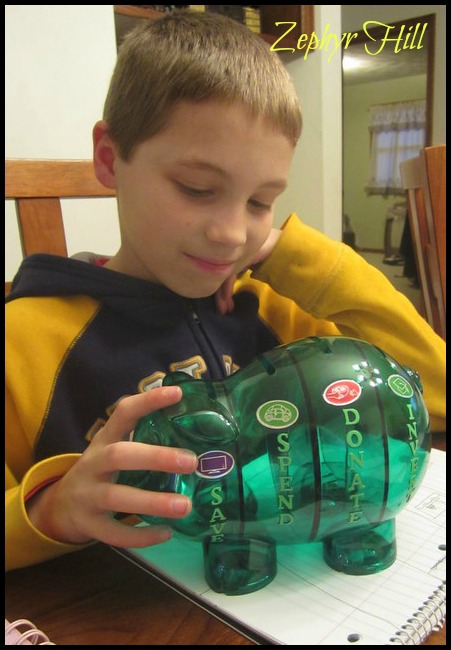
One more thing: as you might imagine, the divided bank is a HUGE hit. All my children want one now! I just ordered a second pig (in purple) for Catherine. Joseph likes that he can see his money grow in the different compartments, and labeling them with stickers was a lot of fun. The bank is big enough that each compartment will hold quite a bit of money. Both coins and currency (folded and creased tightly) can go inside; each foot opens individually at the bottom so you can get the money out.

How your child divides up his money is a plan you can work on together. Everything doesn’t have to be parceled out in four equal shares. As a general rule, we’ve taught ours to put 10% of anything they earn immediately into the “Donate” slot. This is our family’s way of stressing that every material thing we receive is a gift from God, and that we show our gratitude by cheerfully giving some of it back for good causes. The remaining 90% is then apportioned due to circumstances and current financial goals they are trying to reach. Sometimes it’s easiest to just split it 30/30/30, if possible. (Example: my son gets $10 for cutting grandma’s lawn. He puts one dollar into Donate and then $3.00 each into Spend/Save/Invest).

It’s been very rewarding to watch my 10-year-old son take responsibility for his money and make plans for how he will spend it. One of the most wonderful things to see is how he quietly puts the money from his Donate slot into the collection basket at church every so often. There’s no fanfare and no boasting. He’s a little man who’s learning to be a good steward.

Why do I think the divided bank is such a great concept? It’s an excellent visual device to help children understand abstract money concepts. As they portion their money out for different things, they’ll understand that they are responsible for each dollar that comes to them. And using the Money Savvy Kids program, they’ll learn more about what they can accomplish with each of the four goals: SAVE – SPEND – DONATE – INVEST.

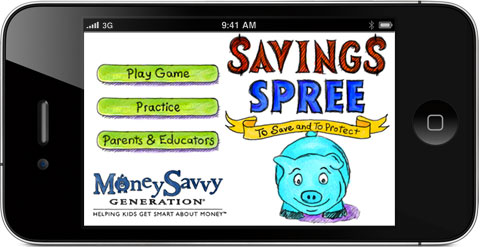
You might also check out the Savings Spree iPhone app – available for purchase at the App Store. It reinforces all the sound money principles I’ve covered today in a very fun and addicting game for children!

The great people at Money Savvy Generation want to help your children get smart about money, too! They are giving away a complete home kit to one lucky reader! It includes all the learning materials we reviewed, PLUS a free signature divided bank. Choose from any of the 5 colored pigs, a football, soccer ball, cow or football.

Filed Under: Giveaways, Home and Family Reviews, Homeschooling Tagged With: divided piggy bank, finance curriculum, homeschool giveaway, money savvy generation, money savvy kids, money savvy kids review, teaching kids about money

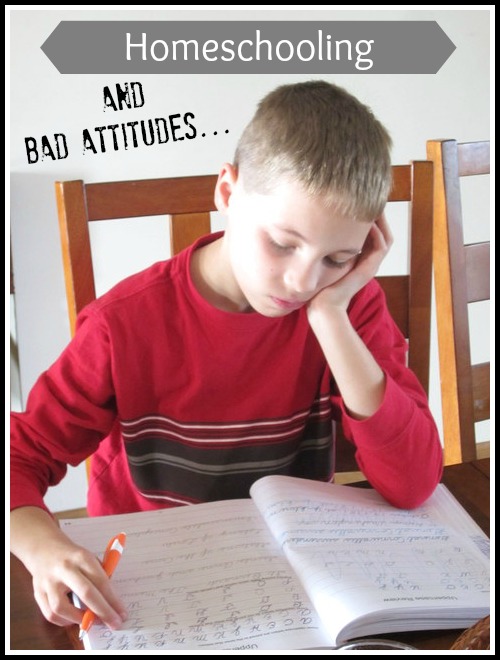
Homeschooling and Dealing with Bad Attitudes

December 3, 2013 by Anne Marie 14 Comments

It’s almost inevitable. After staying home and doing school work with mama day after day, the telltale signs of a poor attitude will become evident. Your home schooled child will:

  • Slump down in the chair and scowl at the books in front of him.
  • Let out a deep and audible sigh as you start to teach, ask questions or explain an assignment.
  • Deliberately look at something else other than the page right in front of him.
  • Roll his eyes when you mention it’s test or quiz time.
  • Indulge in a pity party if his grade is anything but an A.
  • Proclaim loudly “I’m no good at this!” or “This is impossible!”

With 3 children currently homeschooling, I most definitely have to deal with complaining and shoddy attitudes from time to time. Whether it’s Catherine dragging her feet over math problems or Joseph bemoaning the rigors of spelling, a bad attitude can quickly derail progress. Even worse, it’s contagious! Mama starts to get down and complains to Daddy. Pretty soon, everyone is sick and tired of school! What to do?

You might try some of these tips, depending on your child’s temperament. And I would strongly caution you not to change your curriculum in hopes of curing an attitude problem. Rarely is this the issue! Buying a different book is quick and easy, but if the problem is in your child’s heart, or stems from your lack of discipline, then it will resurface again no matter which book they are working on.

Some possible solutions:

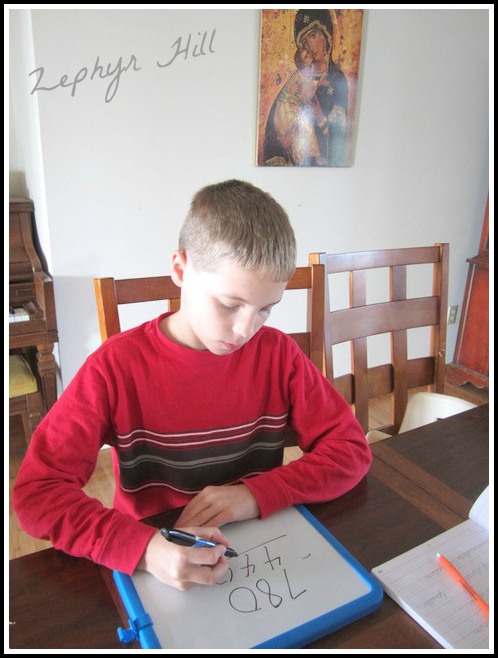
1. Let them work using a whiteboard and dry erase markers. I don’t know why, but this seems to do the trick sometimes. Perhaps it’s just because they get tired of bending over a piece of paper. Plus, it’s fun to write and erase. A change of scenery is always welcome.

2. Change the way you give assignments, but only temporarily. Every once in a while, I let the children take their spelling tests orally. Sometimes we will read our history lesson at a local cafe instead of at the school table. We can drill multiplication tables while in the van running errands. Be flexible and think outside the box, and your children won’t burnout so easily.

3. Consign the complainer to a corner. Say “You can come back to the table when you’re ready to do school work with a cheerful attitude.” Keep them in your eyesight (don’t send them to their room). Outlast them and if they try to return to the table with a scowl, banish them immediately back to the corner. Don’t accept anything less than a good attitude and don’t let them get comfortable while in the corner.

4. Don’t say IF – instead say WHEN. You want to teach that a good attitude is expected. If you’ve set something before them as a motivator (recess time or a snack, for instance) don’t say “If you do a good job on your math, you may have a snack.” Instead say “WHEN you do a good job on your math, we can have a snack. ” In other words, you are waiting on them to obey, not making it sound like they have a choice.

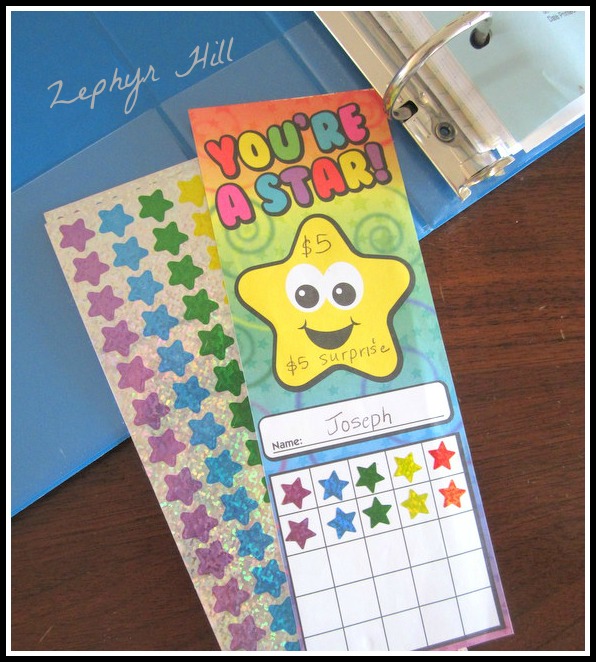
5. Set time limits. This one works wonders with my son. Children with a competitive streak will like the challenge that a timer presents. Last week, I set them working on math problems and said “I bet you can’t finish before I’m out of the shower.” (I reminded them to avoid mistakes, of course, and not just speed work). Lo and behold, they knocked on the door while I was still in the shower and said very triumphantly “We’re already done!!” Both of them made an A on their assignments that day, and in half the usual time. Children can waste an amazing amount of time doodling, daydreaming and whispering; give them an impetus to stay focused.

6. Find what motivates them, based upon their God-given temperament. For my sanguine/outgoing daughter, it’s her peers. She wants to do what they are doing. I’ve told her before “Catherine, you’ve got to learn your times tables. All the girls in 4th grade are memorizing them and you don’t want to get behind.” Joseph is not as easy to motivate in this way; instead, he likes challenges or even “dares.” And because he has a melancholic streak, it sometimes helps to give him sympathy. “I know it’s hard to memorize spelling words. It was for me when I was in school.”

7. Food is a friend. Learning and doing takes energy. The brain needs fuel, so we often have mid-morning snacks. The children get a big charge out of having a granola bar to munch on while working. For a real treat, they love hot chocolate on cold mornings. Hey, I can completely understand. What mama doesn’t enjoy a hot cup of coffee or tea, and maybe a piece of chocolate, while she makes up the grocery list or balances the checkbook? A snack or sweet treat can perk everybody up!

8. Do a reality check. Is the work too hard? It’s possible that your child could be on a 4th grade level in English but only a 3rd grade level in math. Adjust accordingly when needed. And don’t ever push them to finish a book if they aren’t nailing the concepts. Go for mastery. That’s the beauty of homeschooling. You can pick your own pace. Signs that your child is on the right grade level in a particular subject: it’s challenging but not overwhelming. After a lesson is explained, they finish in a reasonable amount of time. The mistakes they are making are from carelessness and not confusion.

9. Bring in the nuclear weapon – Daddy. Sometimes you must appeal to a higher authority. “Wait until your father gets home” used to strike healthy fear into the hearts of children, and it still should. Children who are learning at home must know that it’s not just Mama who cares about their education. Daddy can, and will, stand behind the teacher! I read a study once that found when children were asked which subject was most important at school, they picked the one that their father talked to them about or reinforced in some way. The father’s influence is crucial. Use Daddy to your advantage, homeschooling mothers! He can administer a test, quiz them orally, listen to them read/recite or even be fully responsible for a subject (or two). The more Daddy is involved, the more successful your home schooling will be. Parents have to be a united front.

Any more tips we can add to the list? What do YOU do when your child gets in a rut and displays a poor attitude?


Filed Under: Homeschooling Tagged With: homeschooling attitude, homeschooling discipline problems, homeschooling support

How to Help a Young Child Write Numbers 1-10

October 28, 2013 by Anne Marie 5 Comments


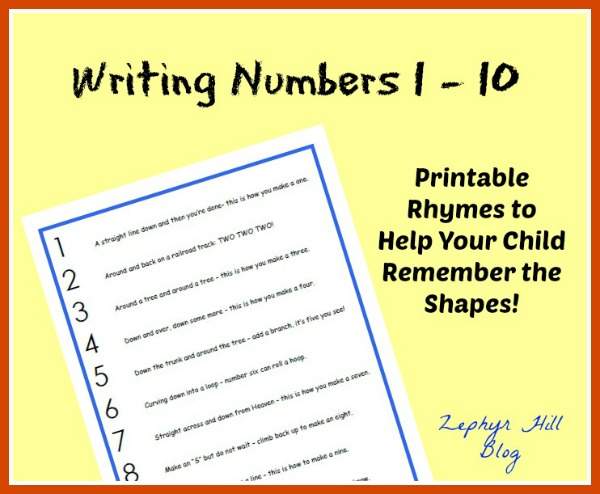
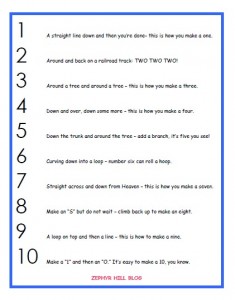
Learning to count out loud isn’t that difficult, but writing the numbers on paper can be a real challenge for small hands. Years ago, I found these helpful little teaching rhymes in an Amish workbook; children can say them out loud while drawing the numbers:

1 “A straight line down and then you’re done- this is how you make a one.”

2 “Around and back on a railroad track: TWO TWO TWO!”

3 “Around a tree and around a tree – this is how you make a three.”

4 “Down and over, down some more – this is how you make a four.”

5 “Down the trunk and around the tree – add a branch, it’s five you see!”

6 “Curving down into a loop – number six can roll a hoop.”

7 “Straight across and down from Heaven – this is how you make a seven.”

8 “Make an “S” but do not wait – climb back up to make an eight.”

9 “A loop on top and then a line – this is how to make a nine.”

10 “Make a “1” and then an “O.” It’s easy to make a 10, you know.”

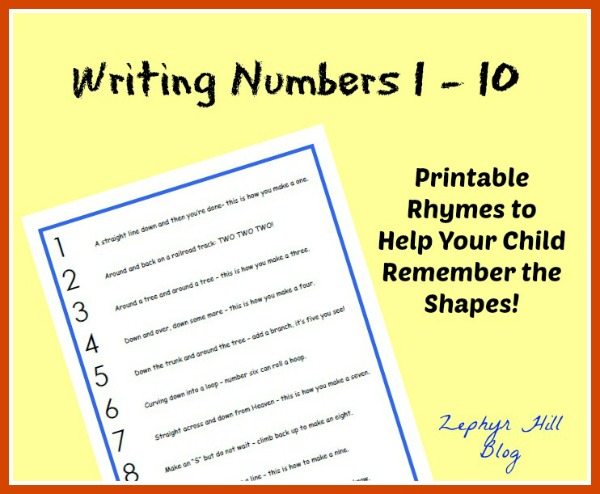
If you’d like to print out a full-size copy of the above document for laminating or hanging, I created this printer-friendly PDF document.

Filed Under: Homeschooling Tagged With: homeschool math, math help, math printables, math worksheets, preschool math, writing numbers

  • « Previous Page
  • 1
  • …
  • 6
  • 7
  • 8
  • 9
  • 10
  • 11
  • Next Page »

SOCIAL MEDIA

Newly Published

  • The Coop Upgrade Nobody Talks About Until It’s Too Late
  • Ignore the Radio Ads About Life Insurance, But Please Read This Post
  • Do Catholic Parents Have to Choose a Saint Name for Their Baby?
  • The BEST and Most Comprehensive Baby Name Books for Parents
  • Educational Games to Enjoy With Your Children

Popular Posts

  • Tiny Love Bouncer Review
  • Sweet Pea AI3 One-Size Diaper Review & Giveaway
  • 6 Common Homeschooling Mistakes to Avoid
  • Sweet Pea Bamboo AIO and Pail Liner Review & Giveaway
  • How to Study (and Teach) at Home With Less Distraction

Copyright © 2026 · Zephyr Hill Blog · Design by Albemarle PR

Copyright © 2026 · Albemarle PR - Hannah Template on Genesis Framework · WordPress · Log in