Zephyr Hill

A Family Blog

Header Menu

  • Home
  • Contact Me
  • Terms / Privacy
  • Homeschooling
  • Faith and Family
  • Book Reviews
  • Cloth Diapers
  • Pets

How Do Fleece Diaper Covers Perform?

August 8, 2013 by Anne Marie 23 Comments

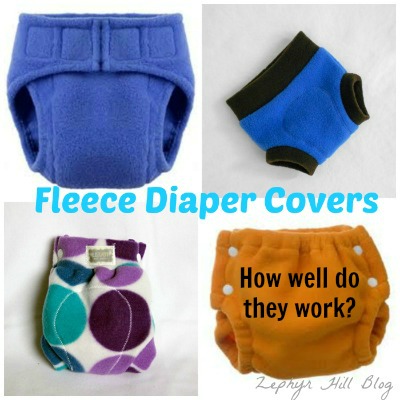
If you’ve seen fleece diaper covers in stores or shops and wondered how well they perform compared to the more popular PUL covers, read on! Fleece is a synthetic poly fabric that works by drawing moisture away from the skin (or from the diaper underneath it), through its fibers to the outer surface. It’s often marketed as an easy-care alternative to wool.

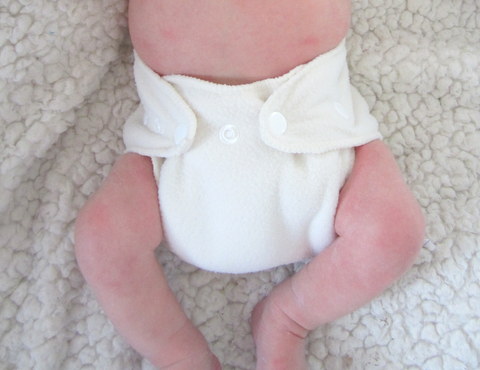
I used fleece wraps on Samuel when he was little because they fit great over his chunky tummy and legs. And when Erik was born last December, one of my favorite newborn covers was the Little Bear Bums microfleece. It was so cozy! I have it stashed away in case we have another….
ADVANTAGES

If you’ve never tried fleece before, here are some of the benefits:

  • Fleece is easy to clean and dries fast; you can wash it with your regular laundry (if you like) and use dryer sheets occasionally to boost its repelling properties.
  • Fleece is cheap; handmade covers start at just $5 and go up from there.
  • Fleece is soft and gentle; not once did it ever leave marks on Sam’s fat little legs like PUL covers sometimes do.
  • Fleece has some of the benefits of wool (soft, breathable and water repellent) but without the higher price tag.
  • Fleece pants can do double duty as a diaper cover and an article of clothing.
  • Fleece covers can be re-used before washing if not soiled or stinky.
  • Fleece has a stay-dry quality which is nice for the parts that might touch your baby (waistband, gussets).
  • Fleece can be a skin-friendly option if your baby is sensitive to PUL or allergic to wool.
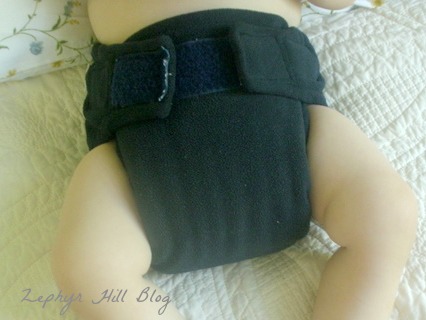
While shopping for fleece covers, I learned that it’s important to go for high quality fabrics if you want nap or night-worthy protection. Windpro/Malden Mills is the best. Although bulkier than regular fleece, the price is not that much more, and a cover made out of this will be better at holding wetness at bay.
All fleece is not the same; the thin microfleece layer that lines a pocket diaper is NOT suitable material for a fleece soaker or cover.
We diapered Samuel (now 3) as a baby in the bulletproof Wallypop “Fleecy Wraps.”


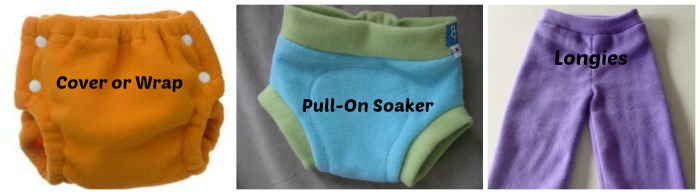
Fleece covers come in three basic styles: soakers, wraps and pants (either shorties or longies). Staccinator and Happy Heinys both make a popular snapping cover, and the pull-on soakers can easily be found by searching on Etsy or Hyena Cart. This style is also extremely easy to sew on your own from free patterns.

Update 2019: I made my own fleece cover pattern! Check out my No-Sew $2 Fleece Diaper Cover Tutorial.
DISADVANTAGES

As with every fabric, there are some drawbacks. Here’s what I learned while using fleece covers:

  • Fleece (as mentioned before) is water-repellent, but it is not waterproof like a PUL diaper cover. More frequent changes will be needed.
  • Fleece can result in compression leaks when the diaper underneath is soaked. The more thick and absorbent your diaper is, the better a fleece cover will work. The trade-off is that your baby is going to have a bulkier bottom.
  • Fleece is synthetic so over time it might become stinky from trapped odors and detergent buildup, unlike wool. Use a good, strong detergent for thorough cleaning, and consider a good stripping if you suspect there’s buildup or detergent residue.
  • Fleece is not as stretchy as wool, so you have to get the sizing right to make sure it’s going to fit over your prefolds and bulkier fitteds.
  • Fleece is not typically available in the “one size” option, so you have to buy over and over again as your baby grows.

You might be wondering Can I use fleece covers overnight? The answer is yes. Many mothers do this, but remember it’s mainly the diaper underneath and not the thick fleece cover that you are relying on. You have less wiggle room with a fleece cover vs. a wool or PUL cover. It also pays to make sure there’s extra padding up front if you have a tummy sleeper, because this is where you might experience compression leaks through the fleece.

Overall, I had a good experience with our fleece diaper covers, as long as I didn’t go too long between changes. However, I still prefer PUL and wool covers for more insurance against leaks over long periods of time, a trimmer fit and the fact that they will fit a wider range of sizes.

Have you ever tried fleece covers before?
 

Filed Under: Cloth Diapers Tagged With: do fleece covers leak, do fleece covers wick, fleece diaper cover, fleece soaker

Line Drying Your Cloth Diapers Diapers

July 12, 2013 by Anne Marie 7 Comments

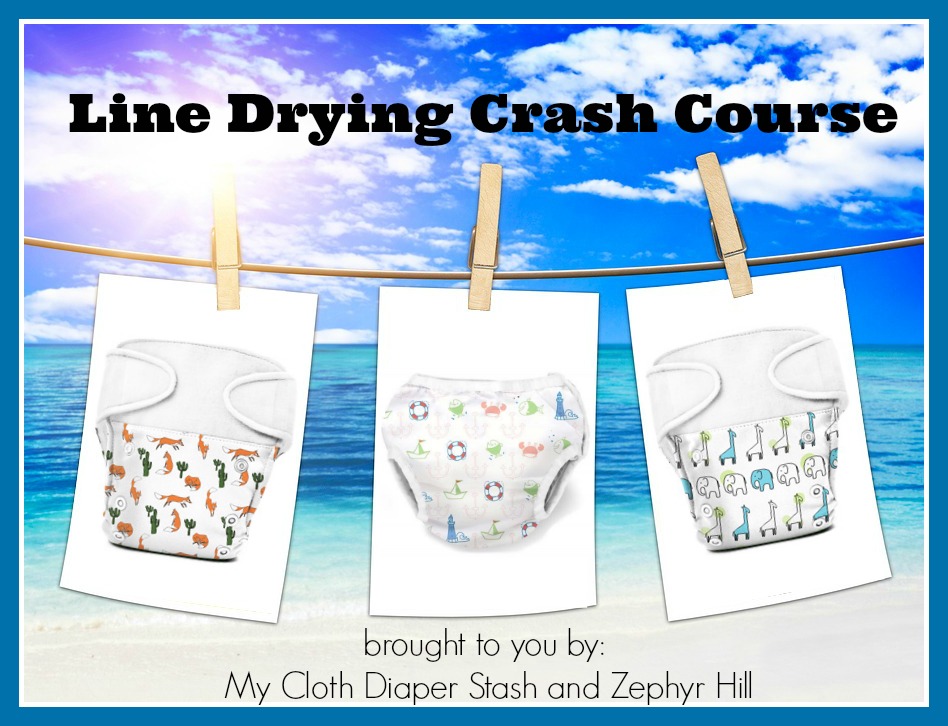
What are two common issues that cloth diapering mothers encounter when it comes to laundry? Stains and smells! So it makes sense, especially during the sunny days of summer, to capitalize on the benefits of line drying. Line drying is a simple concept. Hang up your laundry and Mother Nature will dry it and sanitize it.

My friend and fellow BabyKicks Ambassador, Michelle Hill, shared with me her observations about how the sun works to kill bacteria: Ultraviolet radiation is a great disinfectant for cloth diapers.  It kills bacteria found in stool that may not be properly destroyed by water and detergent alone.  Since these rays are always present hanging diapers on a cloudy day will produce the same results.  Our gastrointestinal tract contains over 200 different types of bacteria; which are normal and helpful to our well being. However, when some of these types of bacteria are not properly destroyed on cloth diapers they can cause diaper rash and subsequent skin infections.  

And now here are some ways I’ve learned to get the most out of line drying:

  • The sun is excellent for bleaching out stains, but don’t leave colored items out too long or they will fade. For badly stained white diapers, it may take a day or more of sunshine to eradicate the discoloration.
  • Clothespin sometimes leave little indentations in fabric as it dries, so fasten your diapers and covers to the line in an inconspicuous place or upside down (this goes for regular laundry, too)
  • Don’t drape diapers over the line; this will increase the dry time. Instead, they should be fastened with pins and be dangling down.
  • Take care of your clothespins. If dirty, they will leave marks on clean diapers. If left on the line all the time, they will eventually crack, fade and/or split. A good quality pin is important; you want something with a good grip that will stand up to sun and wind for a long while.
  • Take care of your clothesline, too! It can collect dirt, so wipe it down occasionally and it won’t mark up your clean diapers.
  • Hang like items together. Then, when you take them off the line, they will be sorted.
  • To avoid stiff or crunchy line-dried diapers, pop them in the dryer for a few minutes right after they come out of the washing machine. Then, hang up to dry. A half cup of vinegar in your rinse cycle may also help keep fabrics softer. Another tip found online: leave your diapers hanging on the line overnight; the morning dew and gentle breeze can act as a natural softening agent.
  • If you don’t have a clothesline or live in housing that doesn’t permit one outdoors, a small drying rack inside your home or apartment can still work wonders. If you are especially pressed for space, try a hanging system. And if you have stains that need bleaching, hang the items up close to a sunny window.
  • Remove your stuff as soon as it’s dry. A lot of things can sabotage your fresh, clean diapers if they are left on the line too long – curious animals, a surprise rain shower or toddlers who are trying to “help!”
  • If you’re lucky enough to have a clothesline, enjoy those moments outdoors as you hang things up or take them down. The warm sun, the breeze and the scent of fresh laundry can be magical and may help to melt your worries away.

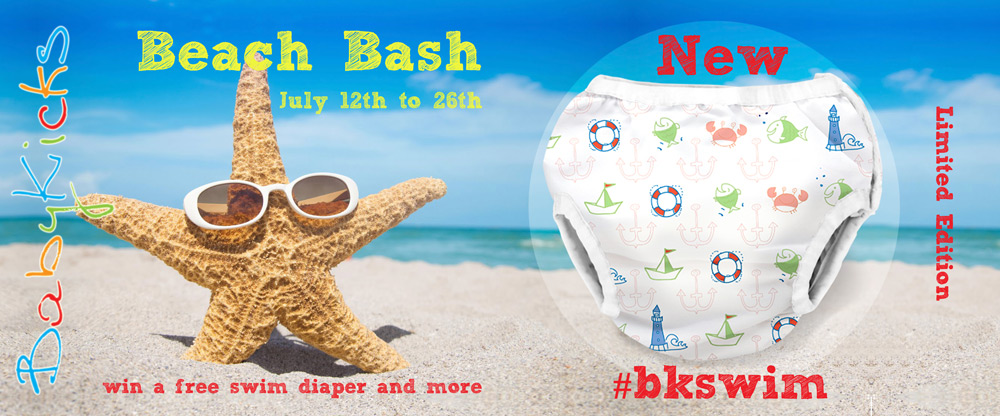
And now, while we’re on the topic of summertime and cloth diapers, how about a giveaway? (NO LONGER ACCEPTING ENTRIES)

BabyKicks is well-known in the cloth diapering community for their great-fitting, good-looking and highly breathable diapers. And they’ve just launched a new line of swim diapers in sizes small to extra large! They feature a cute poly knit print outer with PUL backing and a poly mesh quick-dry inner lining. BabyKicks swim diapers snap at the side, so they look less like a “diaper” and are easy to get off in case there’s an accident. The cute “Anchors Away” print is gender neutral and the price is just $13.95! 

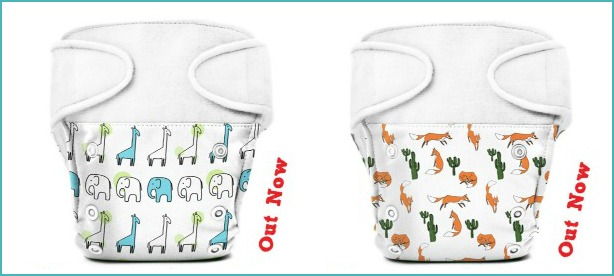
BabyKicks also introduced two new limited edition prints for their premium pockets: Baby Safari and Outfoxed. I can hardly resist foxes – they are one of my favorite creatures and I’m so glad that diapers are popping up everywhere lately with this theme! The BabyKicks premium pocket features a bamboo velour inner lining and the famously thirsty “JoeyBunz” hemp insert.

annesignature


Thanks to BabyKicks for sponsoring this giveaway
and for inviting me to be a BabyKicks Ambassador! 

Filed Under: Cloth Diapers Tagged With: babykicks beach bash, babykicks giveaway, babykicks swim diaper, cloth diapers clothesline, how to line dry diapers

Should You Wait to Use Cloth Diapers Until a Newborn is Older?

June 12, 2013 by Anne Marie 28 Comments

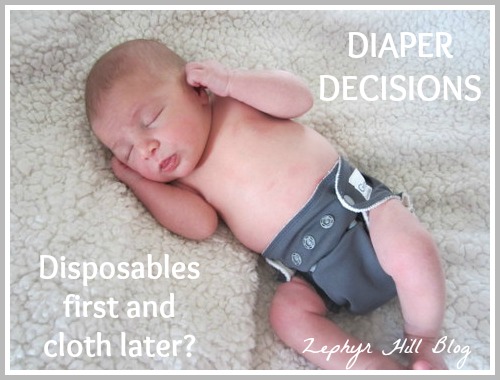
Although I’ve been cloth diapering since 2008, I didn’t use them on a newborn until 2012. Why?

Here are the reasons I chose to use disposables for the first few months:

Meconium staining: I was worried about that black newborn “tar” poo staining newborn diapers. But guess what? The meconium isn’t any worse than the yellow poo. None of Erik’s newborn diapers were discolored by meconium; it rinsed out very well and any lingering discoloration was easily sunned out. But if, even after reading this, you’re still not convinced, just use flushable/biodegradable liners or fleece liners, for the first few days. Better yet, buy a yard of fleece from the fabric store and cut it into lots of tiny liners for mere pennies (you don’t have to sew or serge the edges). What a great little project for those last weeks of pregnancy! Another tip from experience: cloth wipes work much better on newborn poo than flimsy disposable ones.

Shower Gifts: A lot of us receive disposable diapers as gifts and the obvious thought is “I’ll use these up, and then switch to cloth.” That’s what I did the first few times. But just because you have them doesn’t mean your baby has to use them. In fact, when one of the reasons you use cloth is to cut down on waste, then using it during the newborn phase makes a LOT of sense. Your baby goes through more diapers at this stage than any other, and that adds up to hundreds of disposables in the trash – even if you use throw-aways for just a few weeks. So donate them to a needy family or a community charity. Give them to a friend or expectant mother who has no interest in cloth diapering. Or save just a few to stick in your diaper bag or keep on hand for caregivers who are not experienced with cloth.

Inconvenience: If you’re going to be at the hospital (or birth center) for more than a day or so, then having to deal with a big bag of dirty newborn diapers can admittedly be inconvenient. The type of delivery and the amount of recovery time you’ll have does matter. In my case, we usually come back home within 24 hours of delivering at the birth center, so I only have a small wet bag of soiled diapers to bring back with me.

Ask your husband or a visiting friend or relative to throw the diapers in the wash for you upon arriving home. Write your laundering instructions on an index card before birth, and tape it to the washing machine.


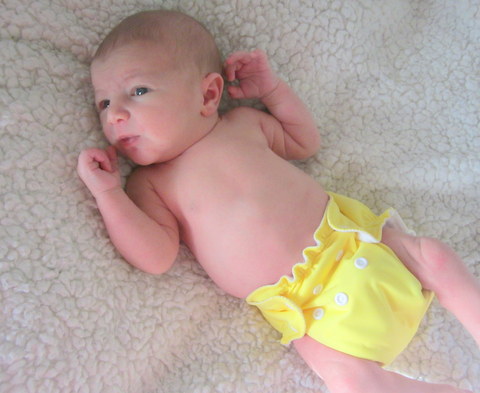
Pictured above: the AppleCheeks size one envelope-style cover

Time Savings: I felt like disposables would save me a lot of time during the newborn phase, and in some ways, they do. However, I did discover something interesting after cloth diapering two newborns. I spent a lot more time changing diapers than I did washing them! Think about it. You stand over your little newborn for at least a couple of minutes with every change. Multiply that by 8 or even 10 and you’ve got 25-30 minutes per day on changes, whether you’re using cloth or disposables. I did not spend 30 minutes every day washing diapers. It was more like 10 minutes every 3 days, and I didn’t bother to fold them but kept a laundry basket handy to toss them in straight from the dryer.

To save even more time while cloth diapering a newborn, use AIO diapers instead of covers and prefolds.


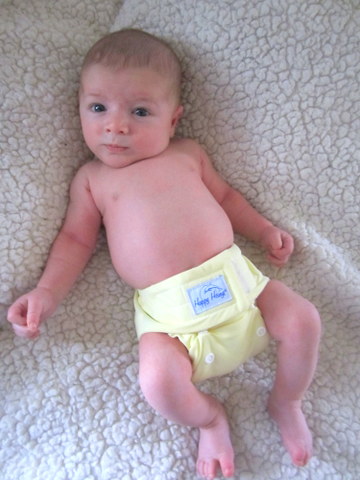
Pictured above: the Happy Heinys Mini newborn pocket

And now……here are the reasons I chose to use cloth diapers from birth for my last two babies:

Investment: If you choose to buy newborn-sized diapers (as opposed to one-size) they have an excellent re-sale value. So if you’re not expecting another child, or have extras that you don’t want to save, you’ll make a good deal of your money back. The ones that I sold were snatched up within hours, in most cases. Why do newborn diapers sell more easily? It’s not just because they are tiny and cute. Many moms are leary of spending a lot of money on a “newborn only” stash, so they cut corners by buying used rather than new. For a cover you’re planning to use from 10 pounds to toddlerhood, it makes sense to get something brand new; for a cover you’ll use for just a month, used condition is good enough.

Output: The doctor always wants to know how your baby is peeing and pooping. And new mothers worry about how much milk their child is getting. It’s tough to tell how many wet diapers they have when using super-absorbent disposables. Cloth diapers make is super easy to track a newborn’s output.

Sensitive Bottoms: Newborn skin is soft and delicate. Fluffy, cozy little cloth diapers just seem like the perfect thing to pamper a tiny bottom! For some mothers, this might not be a very convincing reason, but for me, it matters. I love the idea of tiny, soft diapers on my newborn, rather than crackly throw-away ones.

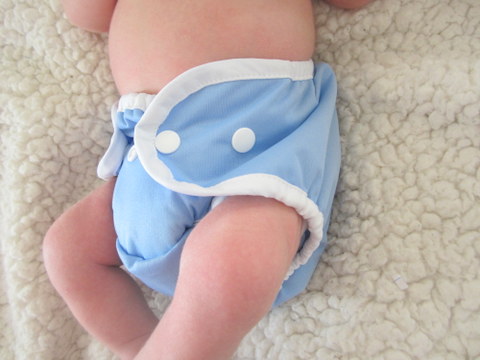
Pictured above: Duo Wrap – (Thirsties cloth diapers)

Performance: Diapers with real elastic really make a difference when it comes to fit and performance. As veteran moms know, the better a diaper fits, the better it holds in all the yukky stuff. Newborn blowouts can be epic; cloth diapers are up to the job. With less accidents, cloth will save you from washing baby clothes constantly.

Changing Sizes: I don’t like spending money on disposable diapers and then having them sit on a shelf when my baby starts changing sizes quickly. Luckily, newborn diapers can last past the newborn stage, if you buy brands that offer some growing room, like Thirsties diapers (the Duo line comes in size one and size two). My Sweet Pea covers have 2 rows of rise snaps, and Erik was able to wear them for 4 months. With disposables, I would have had to buy two different sizes.

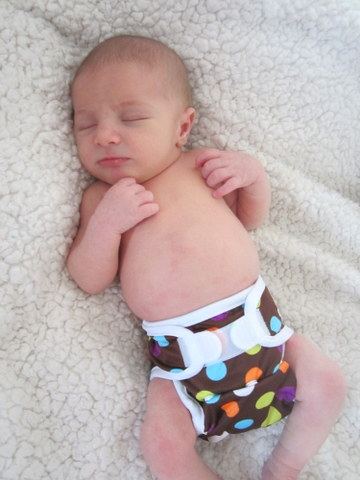
Pictured above: newborn Sweet Pea cover

Trips to the Store: Finally! The first time we had a newborn in the house and no one had to run to the store in a panic when the diapers ran out!

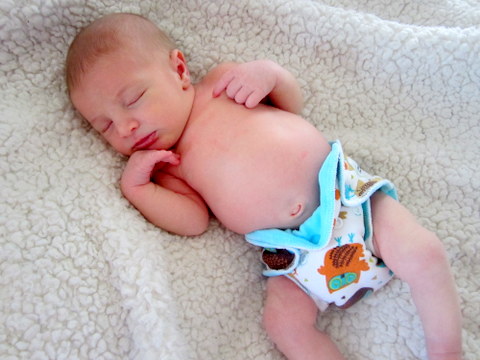
Cuteness: This factor cannot be denied. A beautiful newborn in a tiny little cloth diaper is simply adorable. Perfect for those first photos, too.

Pictured above: Baby Coon newborn fitted

I’d like to hear your thoughts about using cloth diapers on a baby, right from the start. Do you prefer to wait? Or are you putting together a stash right now for your next baby?

And if you’re really curious about all the different newborn diapers I tried on Erik (yeah….it was at least 30 different kinds LOL) then you might find all my reviews helpful:

Review of 14 Different Newborn Covers
Review of 7 Different Newborn Pocket Diapers
Review of 9 Different Newborn Fitted Diapers
Review of 8 Different Newborn AIO Diapers


Filed Under: Cloth Diapers Tagged With: cloth diaper newborn meconium, cloth diapering from birth, cloth diapers newborn, disposable newborn diapers

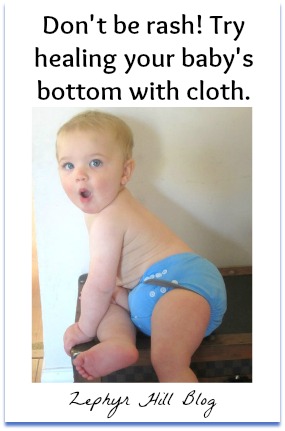
Can Cloth Diapers Help Heal Rashes?

May 2, 2013 by Anne Marie 9 Comments

You might be looking at me kind of funny if your baby has ever gotten a rash from wearing cloth diapers. It’s certainly possible, especially if their delicate skin is very sensitive to wetness or certain fibers. But it’s worth exploring other options since there are so many fabric choices now on the cloth diaper market. If baby is reacting to wetness, try stay-dry liners. If you suspect it’s detergent, do a thorough stripping or switch brands and make sure you add extra rinses. If synthetics are the culprit, switch to cotton or hemp – or one of my favorites: bamboo.

I saw this story at Lil Helper diapers the other day and had to share it with you. Not only are they an amazing company with amazing diapers, but their customer service goes above and beyond anything I’ve heard of in the cloth diapering world. Don’t believe me? Read on…..

“I got a call on my cell at 9.30 pm on Thursday from a mom whose 1 month-old was suffering from a nasty diaper rash that wouldn’t go away. She had never used cloth diapers before so I explained to her how it would all work. After which she asked us for a LilHelper.ca Charcoal Bamboo Diaper. We told her it will be hand delivered on the next day. To which she said something only a parent in distress would say, “What do I do for tonight?” So her hubby drove to our warehouse, where Nader met him and gave him the diapers at 10.30 pm so that mommy can start healing the baby’s rash immediately. Next time, you have a favor or special request to ask from us – demand it. We will, almost, do anything to make sure our customers are well taken care of. On a side note, mommy called back and reported that the Charcoal Bamboos are healing the rash better than any ointments she has used.” – Mohammed at Lil Helper Diapers

I love success stories like this! Even better, I love family-owned enterprises that deliver personal and heartfelt service.

What are your thoughts about cloth diapering and rashes? Is it seldom a problem? Or have you found something that is kind to your little one’s bottom? Or did you feel compelled to give up altogether when nothing worked?

Tell me in a comment below!


Filed Under: Cloth Diapers Tagged With: charcoal bamboo diapers, cloth diaper rash cream, cloth diaper rashes, cloth diapering, cloth diapers sensitive skin

Prefold Diapers for Newborns

March 8, 2013 by Anne Marie 14 Comments


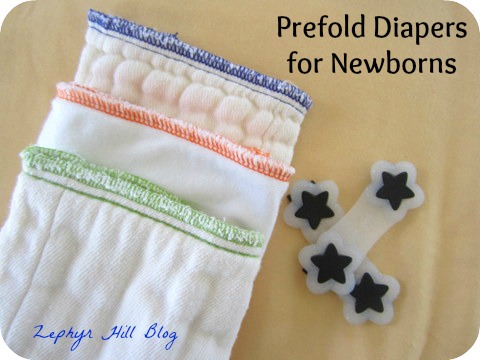
Prefolds and covers are the most popular option by far for newborn babies. But which prefolds should you buy? There are couple of different choices and the prices and absorbency vary with each.

#1 – Indian or Chinese Cotton Prefolds: This is the most economical option out there. Indian or Chinese prefolds are 100% cotton and you can choose from bleached or unbleached (softer). Before buying, check the number of layers sewn into your newborn prefolds. Some of them are thinner than the standard and larger sizes.  The reasoning behind this is that tiny babies don’t wet as much at one time, and are usually changed more frequently, so they don’t need a really thick prefold. Clothdiaper.com has some of the best prices right now on plain cotton prefolds (Osocozy brand).

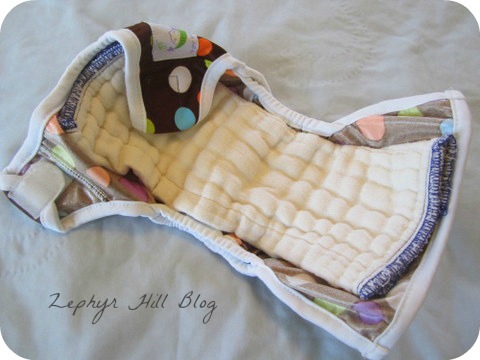
Folded in thirds and tucked into a newborn cover is about as simple as it gets!

#2 – Bamboo Prefolds: Prefolds made of bamboo (or a bamboo/cotton blend) are growing fast in popularity. They are slightly softer and more absorbent than standard cotton prefolds, and many mothers like that bamboo is such a sustainable crop. Plus, you don’t have to shell out that much more for bamboo. Price ranges from $2.25 to $2.67 each. I love the GroVia bamboo prefolds and OsoCozy bamboo prefolds.

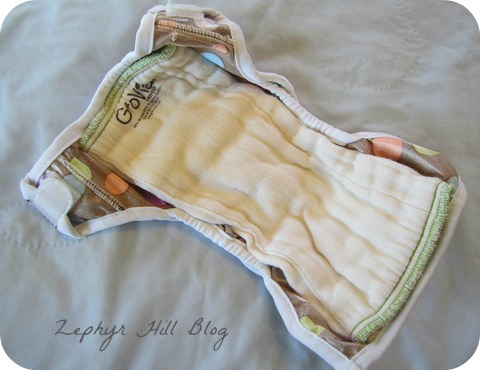
Here’s a bamboo prefold trifolded inside the same Sweet Pea newborn cover. As you can see, the fabric is very similar:

#3 Hemp Prefolds: Hemp is definitely the “Cadillac” in terms of absorbency, but you do have to pay more for this perk. Although some hemp fabrics can be stiff and a bit “crunchy,” that’s not always the case with hemp blends. I am completely in love with the Geffen Baby hemp jersey prefolds – they are made in the USA from a smooth and soft blend of hemp and cotton. They feel like an old t-shirt and they absorb LIKE CRAZY. At just over $5 each, I can’t have entire stash of them, but I did grab 6 when Geffen Baby had a free shipping promotion. They are perfect for long naps and overnight.

Here’s a Geffen hemp jersey prefold (newborn size) in the Sweet Pea cover:

Did you use prefolds for your newborn? Which kind did you choose and why?

Filed Under: Cloth Diapers Tagged With: bamboo prefolds, cheapest prefold diapers, chinese prefolds, hemp prefolds, jersey prefolds, newborn prefolds, prefold diapers

  • « Previous Page
  • 1
  • …
  • 8
  • 9
  • 10
  • 11
  • 12
  • 13
  • Next Page »

SOCIAL MEDIA

Newly Published

  • The Coop Upgrade Nobody Talks About Until It’s Too Late
  • Ignore the Radio Ads About Life Insurance, But Please Read This Post
  • Do Catholic Parents Have to Choose a Saint Name for Their Baby?
  • The BEST and Most Comprehensive Baby Name Books for Parents
  • Educational Games to Enjoy With Your Children

Popular Posts

  • My Home Birth Story: Full of Surprises
  • Organics by Ti Bamboo Flats Review & Giveaway
  • Home Schooling with Limited Space
  • 5 Ways to Handle Food Throwing and Messy Eating
  • Outside-the-Box, Delightful Gift Ideas for 2022

Copyright © 2026 · Zephyr Hill Blog · Design by Albemarle PR

Copyright © 2026 · Albemarle PR - Hannah Template on Genesis Framework · WordPress · Log in