Zephyr Hill

A Family Blog

Header Menu

  • Home
  • Contact Me
  • Terms / Privacy
  • Homeschooling
  • Faith and Family
  • Book Reviews
  • Cloth Diapers
  • Pets

Do Prefolds Cost Less Than Pocket Diapers?

September 27, 2012 by Anne Marie 13 Comments

First of all, this is not a prefolds vs. pockets post. I like and use them both (and prefolds make up most of my stash). My focus today is on mathematics.

What got me curious are some comments I found floating around on blog posts and forums which sounded something like this:

“I like the sized prefolds; it’s still cheaper than any pocket system.”
“We use prefolds with our daughter…….It is expensive to get started with the newer types of cloth diapers.”
“It’s cheaper to replace a cover than it is to replace an entire pocket diaper.”
“There are times I feel guilty that I didn’t go more of the prefold/cover or fitted/cover route because it would have been cheaper…” 

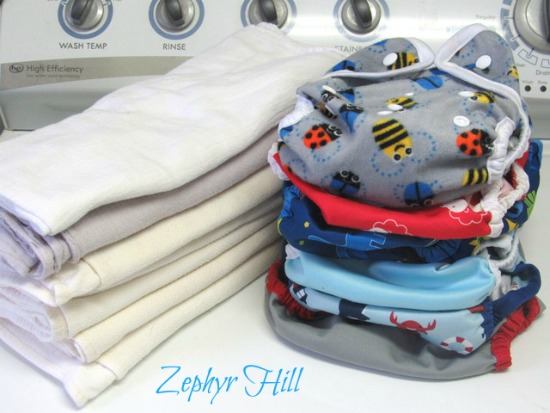
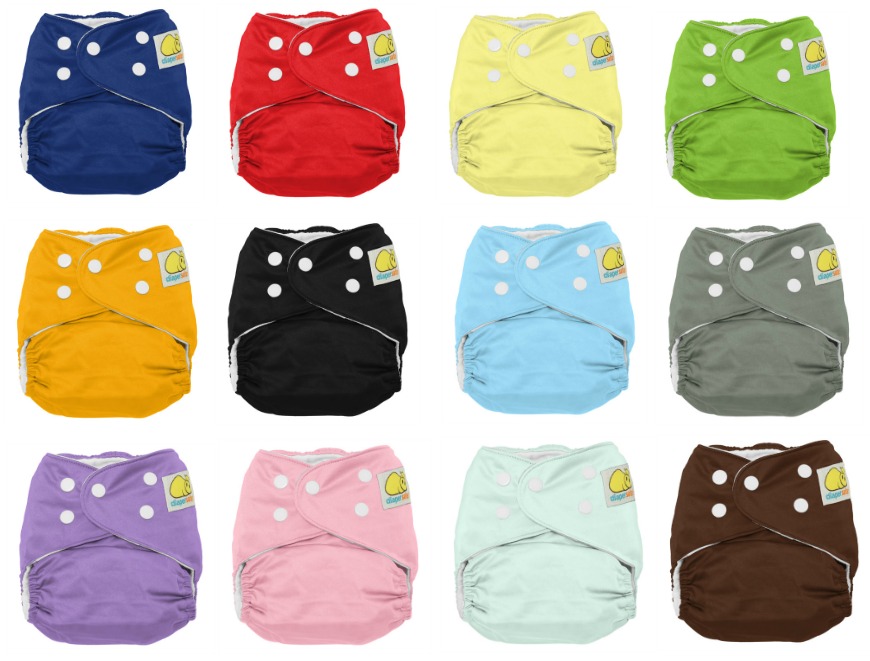
There seems to be an unwritten understanding out there that if you want to cloth diaper cheaply, then the only choice is flats/prefolds and covers. But is it really cheaper than choosing pocket diapers? Well, here are the start-up costs for 5 comparable systems, utilizing Kelly’s Closet (among others) as a price source source. I used Alva and Sunbaby in my calculations because these are highly popular, low-cost, recognized imports with a track record of good customer service and ethical labor practices. I used Econobum covers in my prefold and flat calculations in the interest of equity since it happens to be one of the lowest-price “one size” covers on the market. Yes, there are more expensive pockets out there AND more expensive covers, too.

Ok, here’s what I came up with:

  • 24 Alva diapers with 24 inserts through a co-op or Ebay = $72.00 (about $3.00 per diaper – sometimes you can actually find them for less than this!)
  • 24 “Flour Sack Towel” flats (Target, Walmart, etc.) with 6 Econobum covers = $77.70 ($1.00 per flat and $8.95 per cover)
  • 24 Cotton Babies birdseye flats with 6 Econobum OS covers = $91.70 ($1.58 per flat and $8.95 per cover)
  • 24 Cotton Babies infant Indian prefolds with 6 Econobum OS covers = $95.70 ($1.75 per prefold and $8.95 per cover)
  • 24 Size 1 Sunbaby diapers with 24 inserts = $108.00 (about $4.50 per diaper)

IMPORTANT: These are just start-up costs. And I used a ONE SIZE cover in my flat/prefold calculations. Many mothers prefer SIZED covers with brands like Thirsties and Bummis being very popular. Those will actually run you $10 to $13 each, which would raise the cost even more. Most babies also need SIZED prefolds; rare is the baby who can wear the same prefolds from birth to potty training. Moms who pocket diaper might also need something else for the newborn phase, too.

It looks like imported pockets can actually be cheaper than a stash of prefolds or even flats. You can even buy 2 brand new pocket diapers (with inserts) for the price of one waterproof cover.

It’s easy to see why imported pockets are flooding the market and encouraging mothers on tight budgets to take the cloth diaper plunge. Interestingly, for the second year in a row, the Cloth Diaper Survey has revealed that pockets are still the most popular style of diapering system.

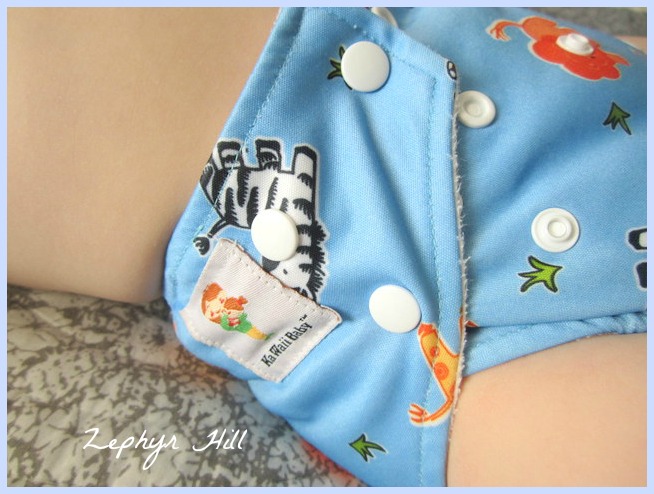
Whatever choice is ultimately made, I’m just happy that there are lots of different “budget-friendly” cloth diapering options out there – this encourages more families to get on board! And Kelly’s Closet is just one of the places that you can get pretty much everything you need, whatever type of system you start out with. If you aren’t part of a co-op or want to try another economical pocket besides Sunbaby or Alva, Kelly’s Closet does carry Kawaii diapers for just $10.95 each.

I’d LOVE to know how your family has managed to cloth diaper for very little money – please share your stories in a comment below.

Filed Under: Cloth Diapers Tagged With: alva diapers, budget friendly diapers, cheapest cloth diapers, diapers made in china, ebay cloth diapers, imported pocket diapers, made in china diapers, prefolds and covers vs. pocket diapers, sunbaby diapers

NEW Pocket Diaper Just Released at Diaper Safari – 15 Colors!

September 13, 2012 by Anne Marie Leave a Comment


Diaper Safari has just released its very own branded pocket diaper in 15 bright colors! They are trim fitting and include an absorbent insert that agitates out in the wash on its own.

You can use coupon code FBFIVE for $5 off these brand new diapers until September 19th. That means you get these cute pockets for only $8.95 each!

And as always, your order at Diaper Safari always SHIPS FREE (lower 48 states). Plus you’ll get Diaper Safari’s fast, professional customer service to boot. Who could pass up such a great deal??

Filed Under: Cloth Diapers Tagged With: cheap pocket diapers, cloth diaper coupon codes, diaper safari coupon code, diaper safari sale, diapers with free shipping, new pocket diapers, pocket diapers on sale

Are Cloth Diapers Truly a Greener Choice?

September 4, 2012 by Anne Marie 49 Comments

Have you ever heard someone say that cloth diapers really aren’t as “green” as people claim? After all, what about all the pesticides used to grow cotton? Or the water and energy it takes to get them clean?

I did a little bit of research to see if the environmental benefits of cloth outpace disposables.

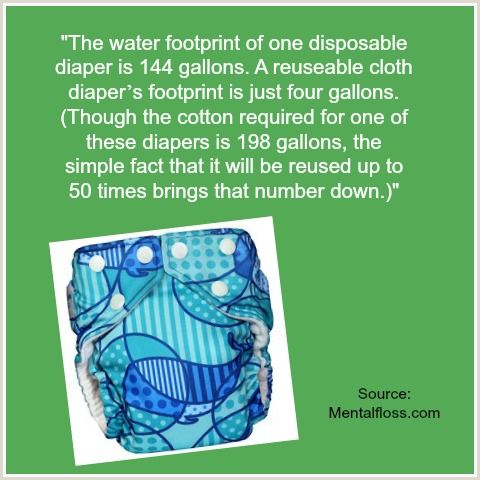
#1 Disposable diapers require more resources and energy to manufacture than cloth diapers. This is true even when you factor in the water and energy needed to grow natural fibers and produce synthetics. Disposable diapers use 20 times more raw materials, two times more water and three times more energy to make than cloth diapers.

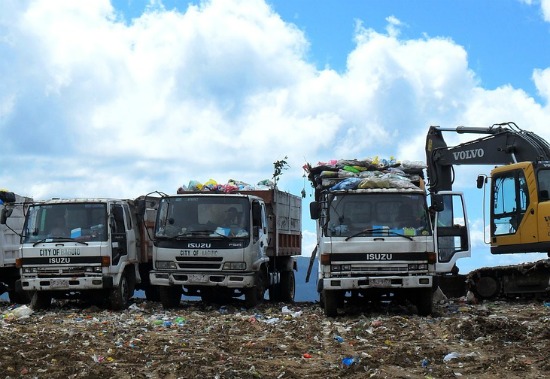
#2 Be careful when reading “studies” and what they claim to prove. Much of the research I looked at was flawed, or at the very least, suspect because: (1) They were commissioned by the plastics or paper industries, or sometimes by the disposable diaper industries themselves. Conflict of interest, perhaps? (2) They rely on outdated or inaccurate facts like “it takes 50 gallons of water to wash a load of diapers” (have they never heard of HE machines?) or that all cloth diaperers are using cotton or that every diaper change requires a toilet flush. (3) They completely leave out important factors like the water and energy used to manufacture disposable baby wipes or the environmental impact of disposing of them, the fact that water is a somewhat “renewable” resource, and the considerable cost in energy, time, manpower and fuel that it takes to haul disposables away in garbage trucks and then dump them at landfills.

#3 Water and energy usage is lower than you might think for cloth diapering families.  Based on average figures, it costs about $0.39 per load to wash on hot and rinse on cold in the typical top loading machine, using a gas water heater. Using an electric water heater raises the average to about $0.50 per load.  Drying averages about $0.35 cents per load. So for a family using a traditional top loader, washing and drying diapers 2 times a week costs about $1.48. This number will be LESS if you use a high-efficiency machine and a clothesline. You must also factor in things like periodic toilet flushes or diaper sprayer use throughout the week to wash away solid waste. So all things considered, the average family washing twice a week might see an increase of only $5.92 on their water/energy bill at the end of each month. If you wash more than twice a week it might be $9.00 or more. If you are seeing greater increases than this on your energy and water bills, it would pay to give your cloth diapering routine a closer look. 

Try some of these tips to keep your costs down and offset your increased water/energy usage:

  • Use a low flush toilet
  • Opt for a gas heater over electric
  • Try washing two big loads a week instead of three or more smaller ones.
  • Use a high-efficiency washer (they spin more water out of your clothes which speeds up drying time, use up to 40% less water, less energy and less detergent)
  • Always do cold rinses, and when possible, wash your other household laundry on cold (Tide makes a special formula just for cold washes). Save warm/hot settings for your diapers’ main wash.
  • If your water is very hard (Diaper Junction sells a Water Hardness Test Strip for just 99 cents) consider adding Calgon Water Softener to your main wash so the detergent works more efficiently.
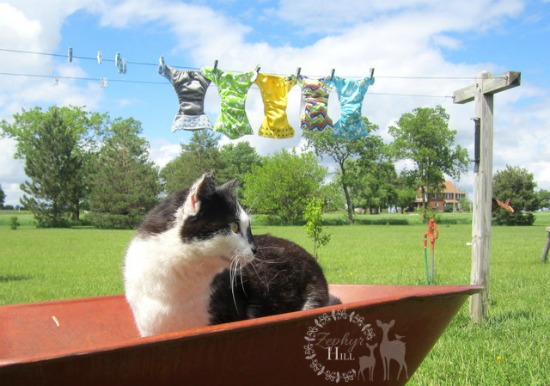
  • Use a clothesline in good weather, or a drying rack inside your home or apartment.

  • If possible, re-route your washing machine hoses so that rinse water drains outside to be collected and used for other purposes.
  • Try to use less water in your household to offset the water you are using to wash diapers. Examples: Take one less shower or bath each week OR shorten each shower by 2 minutes. Don’t run the water while brushing your teeth or scrubbing dishes. Compost fruit and vegetable waste instead of running your garbage disposal. Wash fruits and veggies in a bowl with water and vinegar instead of under running water. Use a broom instead of a hose to clean your walkways and driveways. Invest in a rain barrel to collect extra water for all sorts of outside uses.
  • Invest in diapers that are the easiest to clean and dry (like flat diapers and covers)

Now let me close by saying – I’m not anti-disposable diapers! My point in writing is not to make anyone feel guilty for using disposable products. We use them on occasion and appreciate the convenience they offer. In fact, that’s what makes disposable diapers so attractive – the convenience factor. We all appreciate paper napkins and paper plates on a picnic or paper towels for cleaning dog throw-up. My motivation for writing today is simply to clear up misconceptions and misinformation.

We are all called to be good steward’s of the Earth that God created. Cloth diapers are just one way to do this!

Filed Under: Cloth Diapers Tagged With: cloth diaper energy savings, cloth diaper water usage, cloth diapering environmental impact, cloth diapers vs. disposable diapers, cloth vs disposables energy, clothing diapering saves energy, water usage cloth diapers

A Brief History of Cloth Diapers

August 9, 2012 by Anne Marie 44 Comments

diaperhistory3

Wrapping a disposable diaper around a baby and tossing it in the trash when full is a far cry from the way our great-grandmothers diapered their children. And even though I do a lot of cloth diapering, I know that even that experience is very different from a mother of two centuries ago in America.

Because I love history (my major in college) it seemed like a fun idea to take a trip down memory lane and peek in on the ladies of yesteryear as they cared for their babies’ most basic needs.

The First Settlers

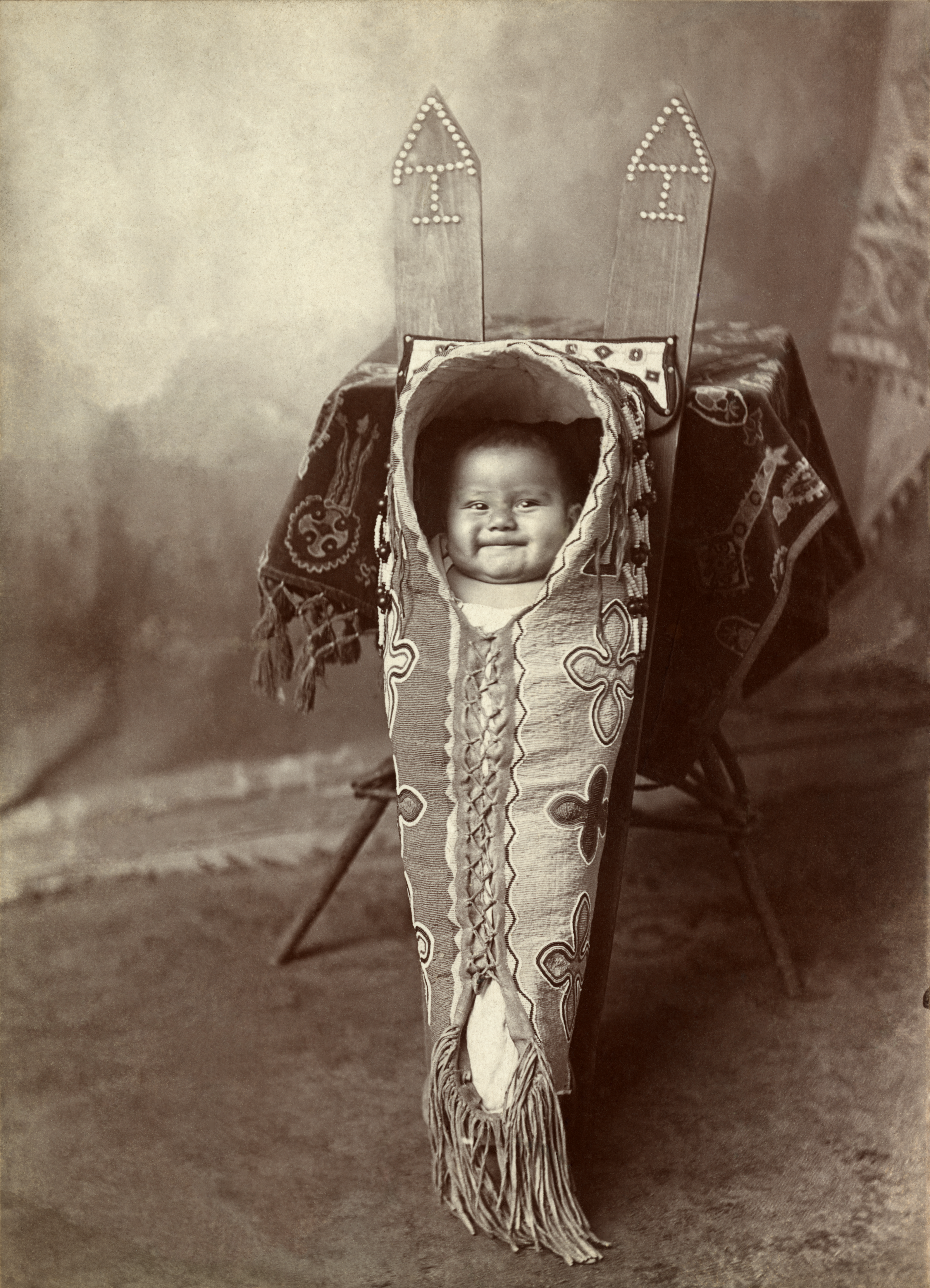
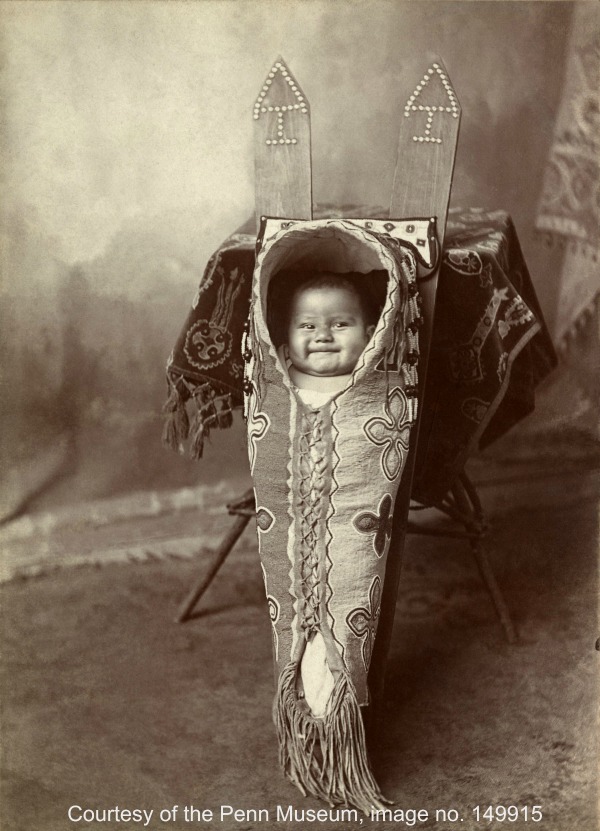
Let’s start first with the earliest settlers in America – the Indians. Practices varied from tribe to tribe; if the weather permitted, babies might go without pants (and would potty train early). Absorbent materials like moss, grass or weeds might be stuffed around a baby’s bottom before he was wrapped up tightly in a cradleboard. When soiled, the materials would be discarded and decompose naturally. Herbs and plants that were beneficial to the skin included sphagnum moss, juniper bark and clifforse.

In colder climates, natives might use covers made of animal skin. Take a look at these sealskin Eskimo baby pants, complete with ties! 

Baby Care in Early America

From the Colonial times until the late 1800’s, the task of diapering a baby remained virtually unchanged for American mothers. Diapers were made from cotton, muslin, flannel and linen. This was a good project to work on during those nine long months of pregnancy, and a useful way to re-purpose worn-out clothes and linens.

Because they were handmade, there was no pre-determined shape; they might be squares, rectangles or triangles and would be fastened on with buttons, sewn-on ties or straight pins (you can actually still buy “tie on” cloth diapers today). Wool covers were sometimes used, but generally babies wore only the diaper and were changed frequently.

Diaper rash would be treated with burnt flour or powdered vegetable sulfur.


Trade was brisk in the American colonies, affording women several options. They could purchase yards of special cloth diapering fabric at local shops. It was typically made of imported linen or muslin. Because they were still tied closely to England, Colonial Americans referred to diapers as napkins or clouts. Wool covers were called pilchers. You can see a napkin and pilch on a doll here. 

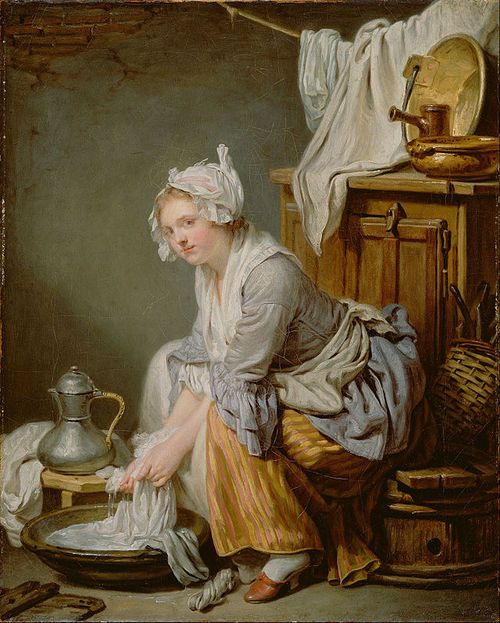
The Laundress by Jean-Baptiste Greuze (1761)

Women who went West as pioneers carried on the same diapering practices, although they wouldn’t have had as many choices, unless they brought a fancy layette with them from back East.

What About Diaper Laundry?

What was done with dirty diapers? It depends on how close to wash day you were! Mothers usually set aside a day or two each week to tend to the family’s laundry, since water was scarce and the work was taxing. So quite often, mother would simply rinse and ring out the wet diapers and hang them to dry; sometimes they were used again.

Although it offends modern sensibilities (and noses), urine was thought to be useful as both a disinfectant and stain remover (thanks to the ammonia). Our ancestors felt no sense of urgency about laundering a wet diaper. The smell of dirty diapers drying by the fireplace wasn’t too pleasant in the winter, but I’m sure the family just accepted it as a necessary reality. And I’m pretty sure it prompted mothers to encourage early potty-training! Young children, no matter their sex, wore gowns that opened at the bottom for frequent, easy changes.

Soiled diapers would be scraped, rinsed and set aside for washing.

Getting any type of laundry clean in the old days was a chore. After heating large amounts of water (on a stove or open fire) that had to be lugged from a well or spring in big buckets, clothes were sorted into piles. Then the long process of scrubbing and rinsing commenced, and lye soap was not kind to your hands.

Although upper-class women would have had the benefit of housemaids to relieve them of the task of diaper laundry, the process was still virtually the same no matter who was doing it. But it was not uncommon for even a mother of poor or modest means to hire a local girl or woman to help out when a new baby arrived. Famed author Laura Ingalls Wilder did this when Rose was born on the Dakota prairie.

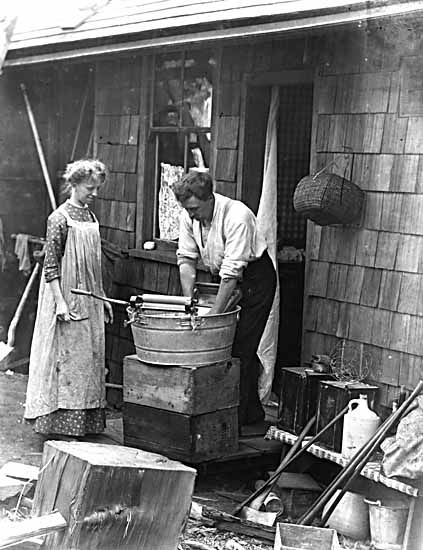
An understanding husband could help with the washing, too, in a pinch!


Ben Leeson and his wife, circa 1901, source unknown

A New Century, and New Innovations

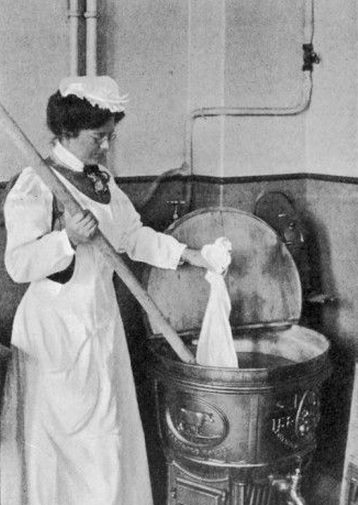
In the late 1880’s, diapering started to change. All-cotton cloth diapers were mass-produced and safety pins appeared on the scene. Mothers were encouraged to sanitize diapers by boiling them before re-using.

boilingDetail of image at allposters, used with permission

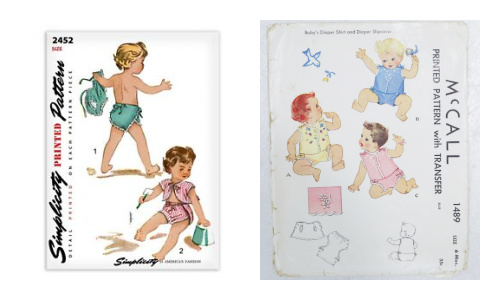
Diapering got another welcome boost in the 1940’s and 50’s when washing machines became more widely available and Curity introduced padded cotton prefolds. With absorbent layers pre-sewn inside, folding was much quicker. But even with modern innovations on the market, a good number of mid-century housewives continued to sew diapers and covers at home.

Disposables and More!

But one thing hadn’t changed. Mothers were still doing a lot of washing because diaper fabrics still weren’t as advanced (and absorbent) as they are now. During and after World War II there was not only a shortage of cotton; changing times resulted in an unfortunate flood of women into the workforce. There was less time for housework, and that meant less time for cloth diapers. American mothers were looking for innovation and convenience. Consequently, it was during and after the war that two big time-savers hit the scene: diaper washing services and disposables!

PauliStróm in Sweden invented the first throwaway, made of paper, in 1942. More innovation quickly followed, with Valerie Gordon’s “Paddi” (1947),  crafted from nylon parachutes, cotton wadding and wool.

One especially prolific inventor, with 20 patents to her credit, was a housewife named Marion Donovan. Her “Boater” (patent filed in 1949, granted in 1950) was a reusable cover using shower curtain material as the waterproof barrier and innovative plastic snaps.

Following that, the Safe-T Di-Dee diaper was invented by Sybil Geeslin in 1950. It was preformed and also utilized snaps. After the patent was sold, this design was marketed as the Keystone Safe-T Di-Dee Diaper.

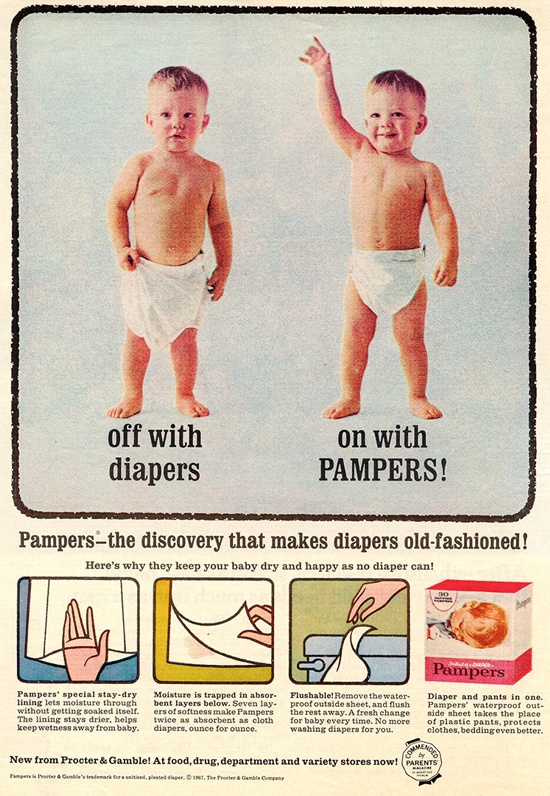
But despite huge progress in the design and performance of washable diapers, disposables had become the wave of the future, boasting four major selling points: (a) convenience, (b) absorbency, (c) trim fit, and (d) a lower incidence of diaper rash. In 1951, Pampers produced its first disposable diaper, complete with a flushable insert. In 1959, velcro appeared on the scene, first used by Riegel.

Pampers Ad, circa 1967, courtesy of FirstVersions.com

As you would expect, cloth diapers fell out of favor, but began to make a slow resurgence from the 1980’s onward, thanks to environmental, health and financial concerns. Some of the early innovators hail from Canada; Kushies designed a cotton form-fitted diaper in 1989, Bummis launched one of the first “modern” waterproof diaper covers in 1987, and Motherease followed with its own fitteds and covers beginning in 1991.

The Modern Cloth Diaper

Brands like Fuzzibunz  (who introduced the modern “pocket” diaper in 1999) helped to make cloth more accessible and less daunting to American families. The revolutionary one-size bumGenius, still a perennial top-seller, made its debut in 2006.

bumgeniusdoll

More styles followed: All-in-One’s and All-in-Two’s, Hybrids, and Hybrid Fitteds. Cloth diapering wasn’t just a movement – it was a trend. And mothers were making it fun (and social) with chat groups, diaper parties, giveaways, and constant clamor for new prints and colors.

Mothers (like me) who cloth diaper today have a much easier time of it. Modern diapers are super absorbent and easy to launder. I don’t deal with issues like boiling and hauling water for wash day (although I do know how to hand wash now, thanks to the encouragement of Kim at Dirty Diaper Laundry). PS: She also has a complete diaper timeline here.

But after doing all this research, I still have a few unanswered questions:

  • Did early American mothers try to make diapers prettier by dying them or using colored ribbons, buttons, etc?
  • How common was diaper rash before disposables were introduced?
  • Where were dirty diapers stored until wash day?

Let me know if YOU know the answers!


Other sources consulted but not cited or linked to:

All photos are either in the public domain or are used with permission.

The Diaper Jungle. The History of Diapers – Disposable and Cloth, http://www.diaperjungle.com/history-of-diapers.html
Archives Center, National Museum of American History. Marion O’Brien Donovan Papers, http://amhistory.si.edu/archives/d8721.htm
The Colonial Williamsburg Official History and Citizenship Site. Fashions of Motherhood, http://www.history.org/history/clothing/women/motherhood.cfm
Wikipedia. Diapers, https://en.wikipedia.org/wiki/Diaper

Filed Under: Cloth Diapers, Faith and Family Tagged With: cloth diaper history, cloth diapering 1800's, cloth diapering on the prairie, cloth diapers in america, cloth diapers in american history, diapering a baby frontier, history of cloth diapers, history of diapers, pioneer cloth diapers, pioneer women cloth diapers

Overnight Solutions for Cloth Diapering

April 20, 2012 by Anne Marie 94 Comments

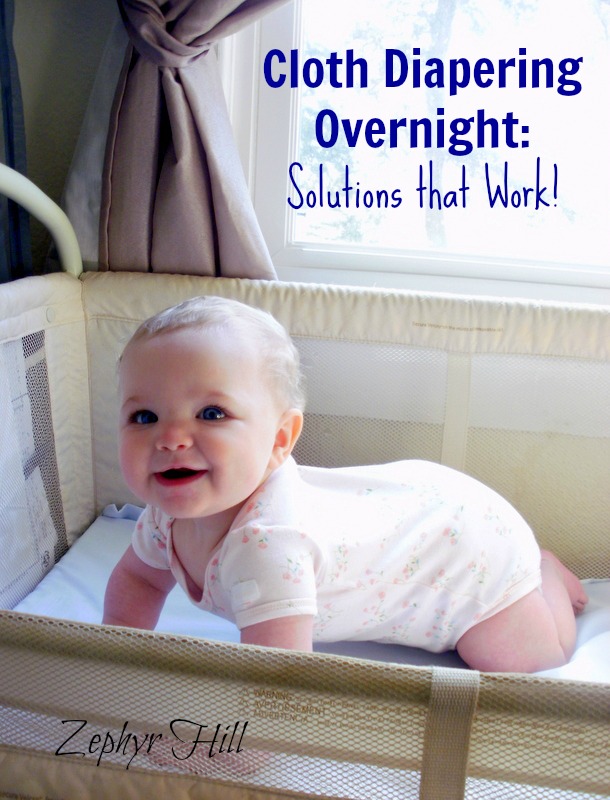
Many cloth diapering mothers use disposables at night because of heavy wetters. I can understand. For the longest time we were having leaks at night until I asked around and got some good advice from other cloth diapering mothers. I’ve actually tried several different diapering options and all of them have helped my babies to stay dry all night. Here they are:

Hemp Prefolds: Pair a Thirsties Duo Hemp Prefold and a Thirsties Hemp doubler in the cover of your choice (you can find Thirsties products at Kelly’s Closet, Nicki’s, Sweetbottoms Baby and Diaper Junction). Geffen’s hemp jersey prefolds and inserts can also be used alone or as boosters in your current system.

Best Bottom: Not only are the Best Bottom PUL covers very sturdy and thick, but when you pair the overnight insert with a regular insert (especially the hemp or bamboo), the combo is very absorbent. Nicki’s sells the Best Bottom line. They have TONS of prints and colors!

Diaper Rite AIO: Another budget-friendly option is the new Diaper Rite bamboo All-in-One. Reasonably priced at just $15.95, it contains 10 absorbent layers of bamboo terry.

Fitteds: Every part of a fitted diaper (front, back, wings, center) is absorbent, which is why they are a natural choice for heavy wetters. The Nicki’s Overnight Bamboo Fitted is a good choice for smaller budgets, butdon’t overlook the “miracle diapers” from Sustainablebabyish. They are well-known in the cloth diapering world for their overnight soaking power. You can get them with or without snaps. Pair a fitted diaper with your favorite PUL or wool cover. Another of my favorite nighttime fitteds is the Tots Bots Bamboozle Stretch Fitted. It is the softest, silkiest diaper in my stash. You can find a very diverse selection of fitted diapers at Nicki’s and Kelly’s Closet.

Pockets: If you have a pocket diaper with a generous opening, stuff it with two microfiber inserts, or 1 microfiber and 1 hemp. Make sure the hemp is under the microfiber. Microfiber will pull the moisture in quickly and the slow and steady hemp will lock it away.

One of the cheapest night time diapers on the market (about $12) is the Kawaii GoodNight Heavy Wetter, which has worked great for us.

Wool Works: Actually, it’s probably superior to PUL when it comes to overnight diapering. It’s super absorbent and breathable and doesn’t have to be washed very often. One good wool cover is equal to several cheaper PUL covers. Kelly’s Closet has a good selection, including EcoPosh and Sustainablebabyish. Nicki’s has also added its own branded affordable line of wool covers. Not sure about wool or worried it’s too complicated? Read my Wool 101 post!

Some more helpful tips:

Rashes: If using natural fabrics to get your baby through the night, you might want to consider adding a stay-dry liner because your child’s skin is going to be pressed up against that wetness for possibly 12 hours or more. For many babies this can be irritating and they’ll wake up with a rash in the morning. Alternately, you can apply a thick layer of cloth-diaper safe cream if your child seems sensitive to excessive wetness.

Too Much Bulk: Be careful about doubling up prefolds (or even tripling!) because too much bulk can cause your cover to “gape open” at the legs or waist, thereby letting leaks slip out. If you want to double up prefolds try pairing an infant prefold with a preemie prefold instead.

Placement: How and where you place or fold your diaper can make a lot of difference, especially for boys. As a mother, you’ll learn over time where they wet the most by looking at the diaper each time you change them. Make sure your doubler or your thickest layers are in that spot for night time. As a general rule, boys need more absorbency up front and girls need more in the back. Little boys also tend to wet towards one side or the other, which you’ll discover by finding leaks out of just one leg opening. Make sure he’s always pointed straight before fastening the diaper.

Here’s to a good night and a DRY morning! Please share your night time diapering solutions below in a comment.

Filed Under: Cloth Diapers Tagged With: best cloth diaper for night, best cloth diaper for night time, best overnight cloth diaper, cloth diapering a heavy wetter, cloth diapers for heavy wetters, magic diaper for night time, night time cloth diapers, overnight cloth diaper review, overnight solutions cloth diapers, staying dry at night with cloth

  • « Previous Page
  • 1
  • …
  • 10
  • 11
  • 12
  • 13
  • Next Page »

SOCIAL MEDIA

Newly Published

  • The Coop Upgrade Nobody Talks About Until It’s Too Late
  • Ignore the Radio Ads About Life Insurance, But Please Read This Post
  • Do Catholic Parents Have to Choose a Saint Name for Their Baby?
  • The BEST and Most Comprehensive Baby Name Books for Parents
  • Educational Games to Enjoy With Your Children

Popular Posts

  • My Home Birth Story: Full of Surprises
  • Organics by Ti Bamboo Flats Review & Giveaway
  • Home Schooling with Limited Space
  • 5 Ways to Handle Food Throwing and Messy Eating
  • Outside-the-Box, Delightful Gift Ideas for 2022

Copyright © 2026 · Zephyr Hill Blog · Design by Albemarle PR

Copyright © 2026 · Albemarle PR - Hannah Template on Genesis Framework · WordPress · Log in