Zephyr Hill

A Family Blog

Header Menu

  • Home
  • Contact Me
  • Terms / Privacy
  • Homeschooling
  • Faith and Family
  • Book Reviews
  • Cloth Diapers
  • Pets

The Servant of Slaves: Henriette DeLille

August 8, 2023 by Anne Marie Leave a Comment

Born in 1812 on Burgundy Street in New Orleans and baptized a Catholic, Henriette had a French father and a Creole mother, with French and Spanish and African ancestry. Never legally married, Henriette’s parents operated under a system called placage, common in the French colonies where white men faced a shortage of wives of the “ideal” color and class. These “kept women” of African, Indian and Creole descent were called placees. Although not legal, these relationships were recognized among the free minority populations; the women and their resulting children (who would adopt the father’s surname) lived comfortably and moved freely within an active social circle.

Thus, young Henriette led a comfortable life in the city, schooled in French literature, music and dancing, with her future life destined to look like her mother’s. But Henriette was absorbing other things in her upbringing, namely the teachings of the Catholic faith. Inspired by her love of God and His laws, she would later become an outspoken opponent of the placage system; true, it was an easier life for bi-racial women, but it represented a violation of the holy sacrament of marriage, instituted by Christ Himself, and an affront to the dignity of women.

In 1827, at the age of fourteen, this gracious and well-educated young lady began to educate other Creole girls at Saint Claude School. Over the years, as she brushed elbows more and more with the underprivileged, the seeds of her future mission were being planted. It was around this time, too, that funeral records indicate teenaged Henriette might have given birth to two little boys, both named Henry Bocno in succession and both who died very young. This points to the possibility that she had already been “placed” with a wealthy man, but no conclusion has yet been reached by historians about these records.
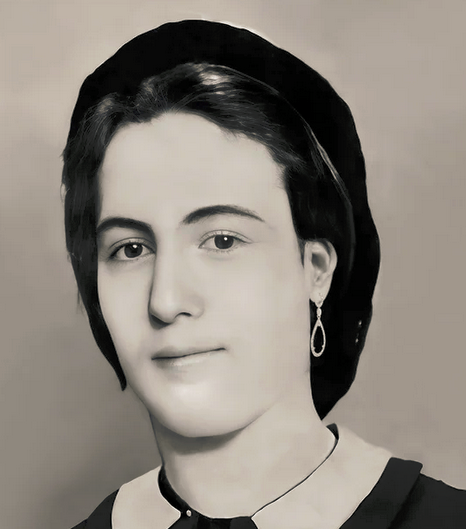
But sometime after receiving the powerful sacrament of confirmation at age 22, Henriette’s life began to turn in a different direction, and big changes were imminent. A year later, her mother tragically suffered a nervous breakdown, and when the court declared her incompetent, that left young Henriette in control of the family assets. These she used to find a suitable place for her mother; the rest was sold. Henriette, whose only recorded written words were “I believe in God. I hope in God. I love God. I wish to live and die for God,” had always labeled herself a “free colored person” even though she and her family were octoroons (or 7/8 white). Because of this she was denied entrance into the exclusively white Ursuline convent.

Finding another way through the racial red tape of the day, Henriette took the proceeds of her asset sale and organized a modest (but officially unrecognized) gathering of nuns called the Sisters of the Presentation. This original group included Henriette, seven Creoles and a young French woman.

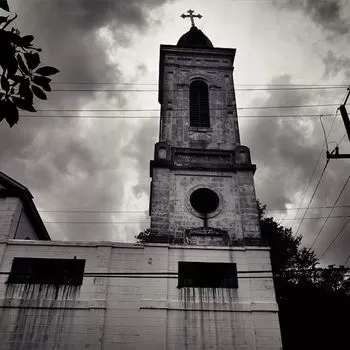
The Sisters of the Holy Family, the name of her order which was eventually sanctioned by the Church, took shape during the 1840’s. The founding members took their vows on bended knee in old Saint Augustine Church in New Orleans (below). From Henriette and her fellow sisters, slaves received free education and catechism, even though teaching slaves put the nuns at risk of imprisonment or even death. They counseled free Creole women to marry men of their own class, and encouraged slave couples to have their unions blessed by the Church. The elderly, sick and poor also found refuge in the home that DeLille made possible.
In 1853, Henriette and her sisters nursed the sick and dying during New Orleans’ horrific yellow fever epidemic.

Twenty years after taking her vows and spending herself in the service of others, Henriette DeLille passed away at the young age of 49 from illness, while New Orleans was under occupation by the Union army. This obituary appeared in a local New Orleans paper:

Last Monday died one of these women whose obscure and retired life was nothing remarkable in the eyes of the world
but is full of merit before God… Without ever having heard speak of philanthropy, this poor maid had done more good
than the great philanthropists with their systems so brilliant yet so vain.

Courage is most certainly one of Henriette DeLille’s outstanding virtues. She boldly left her comfortable life behind, and even placed herself at odds with family by refusing to hide her African ancestry. Advocating against an entrenched social system and defying the law to give slaves an education, Henriette was a fighter who put her life on the line for love of neighbor. Showing great faith and hope, she founded a religious order for biracial women, knowing full well that approval was not assured, but trusting that God would work out the details and help it to flower.

Her cause for canonization was opened in 1989 and advanced by Pope Benedict XVI in 2010. She is the first native born American of African descent whose cause has been opened by the Church.

The stylized painting below not only capture’s Henriette’s compassionate and generous nature, but is imbued with that marvelous character that only New Orleans possesses. The lanky green shutters, old brick walls and palm fronds all vie for attention among a gathering of people, varied in both country and color. In 2011, the City of New Orleans named a street after Henriette.
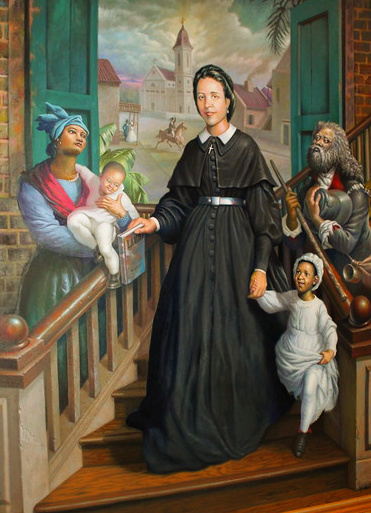
Detail from a work by artist Ulrick Jean-Pierre,
which is hanging at the Sisters of the Holy Family Motherhouse in New Orleans

When death freed her from the bonds of Earth, Henriette left behind 12 fellow sisters; by 1909 the order had grown to 150. The sisters are still active today, with more than 200 members who serve the poor by operating free schools for children, as well as nursing homes.
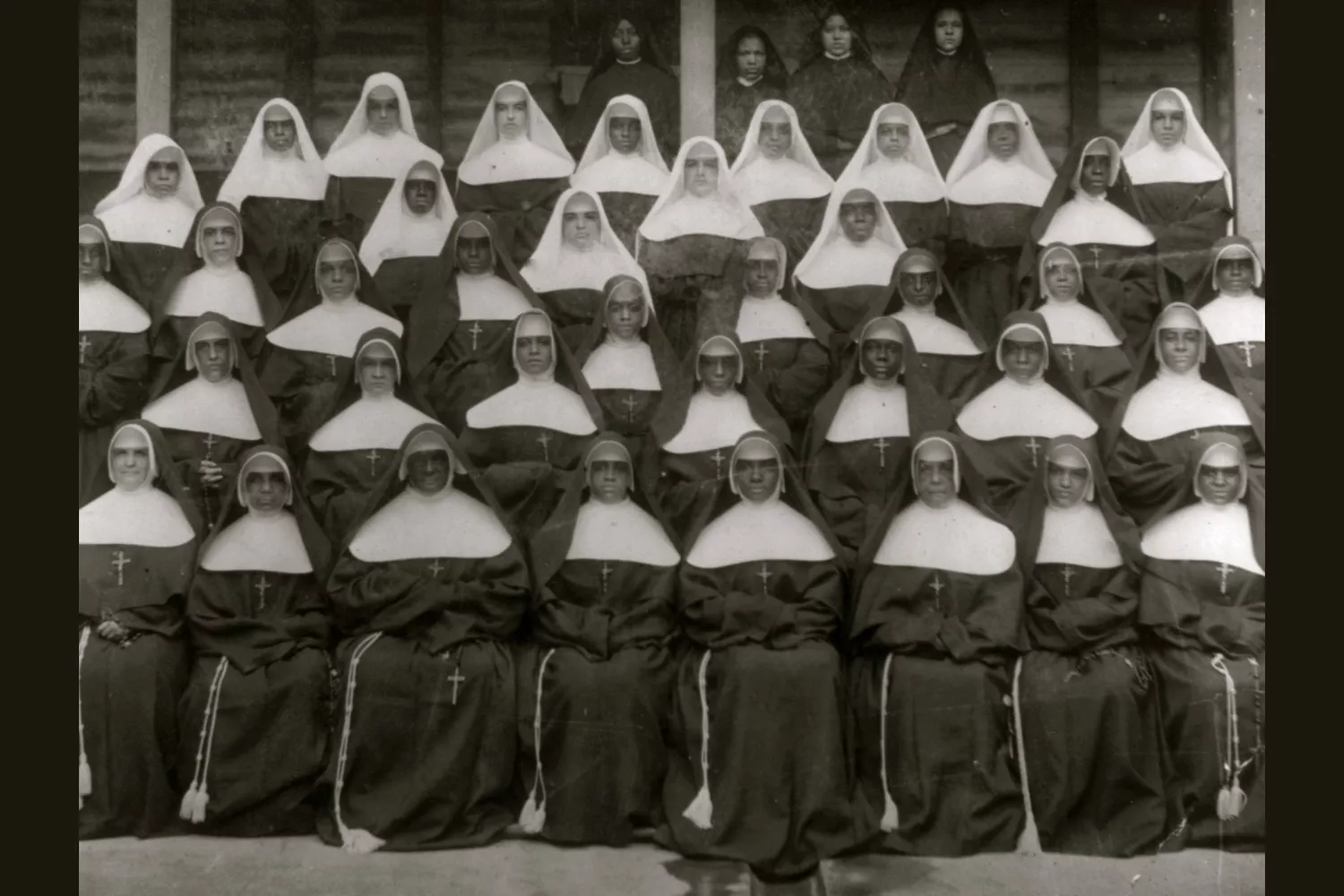
Sisters of the Holy Family, 1899 Buyenlarge/Getty Images

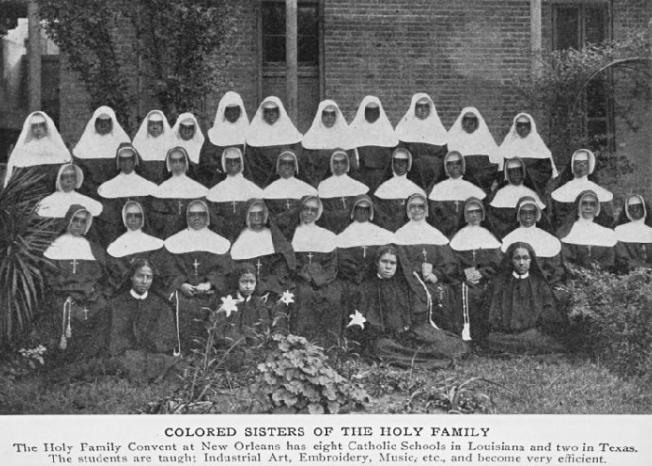
The photo below shows the sisters again in 1905.
In 2013, a miracle attributed to her intercession was approved!

Venerable Henriette DeLille is a reminder for all of us to never forget the vulnerable, the unseen, and the voiceless. God looks not at color or class, but the heart.


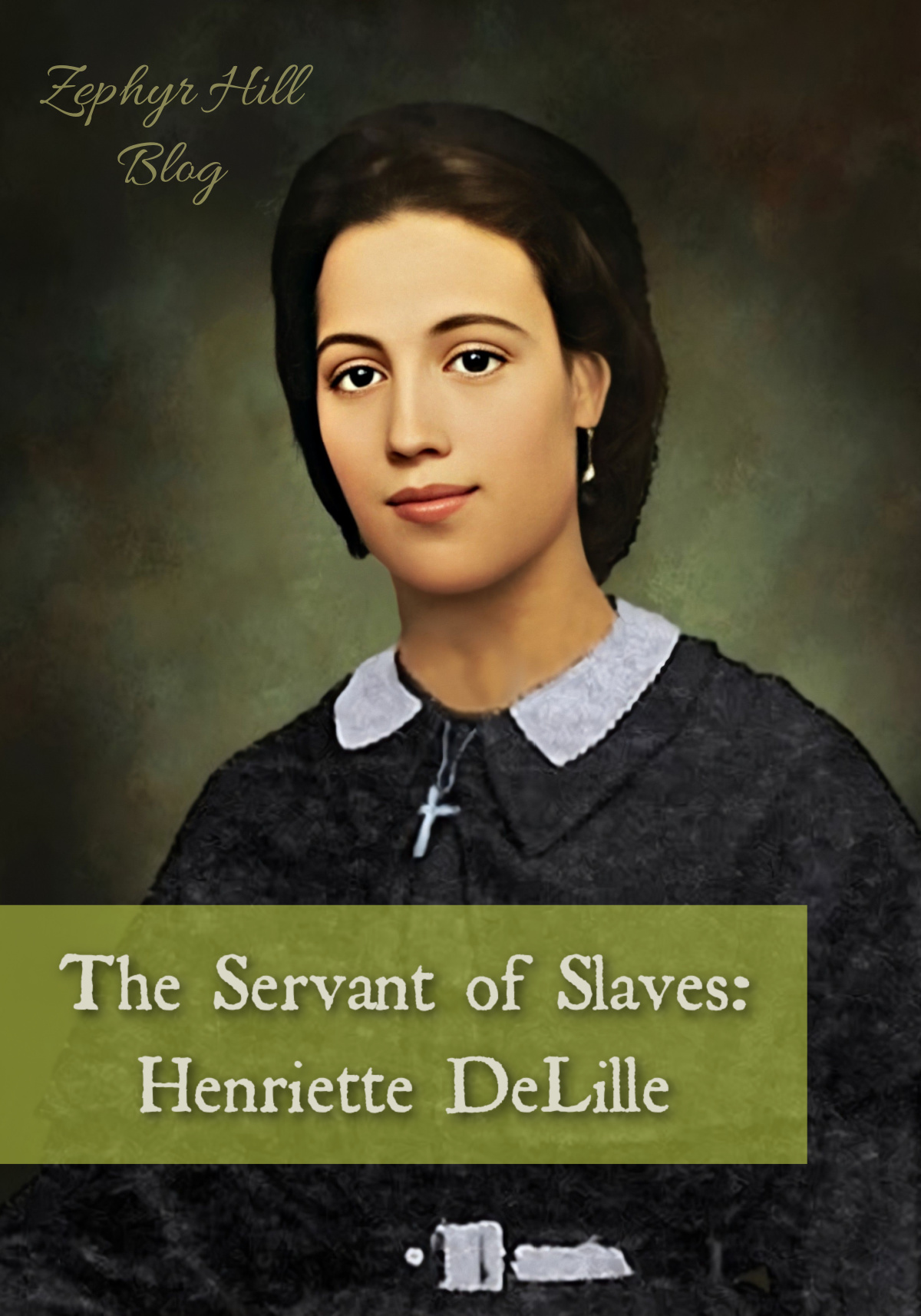
Credit: The title image in this post is a colorized photo painting by Saints Alive Art Studio.
Filed Under: Faith and Family, History

28 Holy Women of the Modern Era to Name Your Next Baby Girl After

June 26, 2023 by Anne Marie Leave a Comment

It is important to remember that holiness is within reach for all, and that the modern world with its dizzying distractions and unique dilemmas still finds the pure light of faith burning brightly in all corners of the globe.

If you are looking for some baby girl names, these saintly women should provide plenty of inspiration!

Adele – for Venerable Adele Bonolis, who knew even as a child that her mission was to help prostitutes be redeemed socially and spiritually, and build a new life. She helped found many houses of rehabilitation in the 1950’s and died in 1980.
Amata – for Servant of God Amata Cerretelli, a lay Carmelite who co-founded the Italian “La Famiglia” (The Family) movement in the 1950’s.  Her life is described here.
Anita – for Venerable Anita Cantieri, who lived a relatively short life of innocence, love and suffering. She received a constant stream of visitors at her sickbed owing to her incredible strength, goodness and peace.
Armida – for Servant of God Armida Barelli, a lay Franciscan who co-founded with  Father Agostino Gemelli the Missionaries of the Kingship of Christ, to spread the Gospel through their educational facilities.
Carolina – for Carolina Palladini, who married but never had children, and because she knew that it was very difficult for poor children to make their First Communions, she made it her life’s work to provide for them.
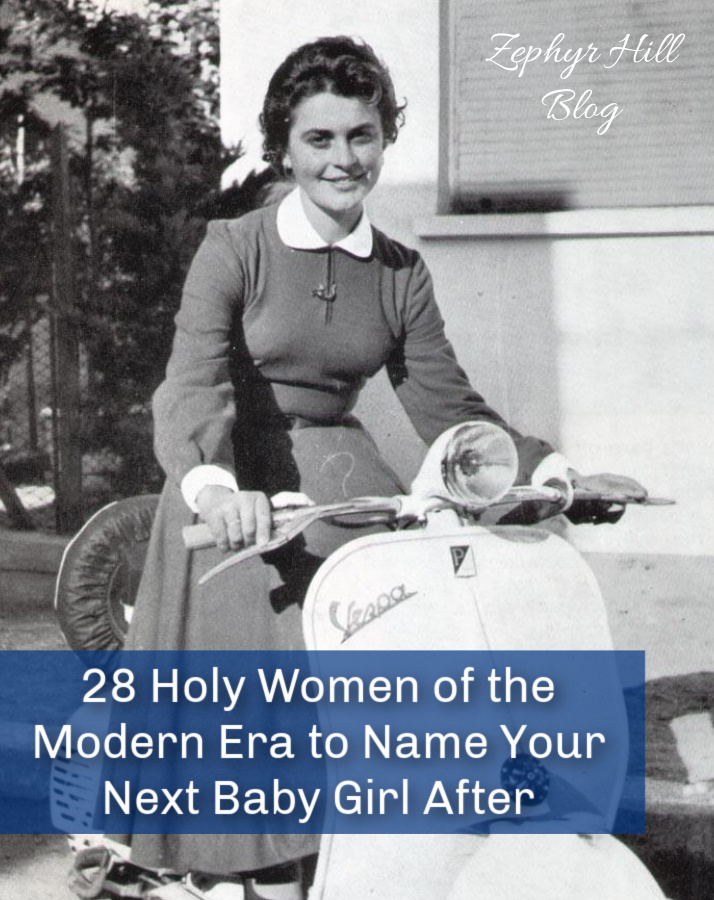
Carla – for Carla Ronci, active in Catholic Action and a woman who lived out her Ursuline sensibilities as a lay person, taking private vows of chastity and poverty. Dubbed the Saint of the Vespa during her lifetime (she always drove a little scooter), Carla was known for her great joy and love.
Edel or Quinn – for Venerable Edel Quinn, a Legion of Mary envoy to Africa, who died in 1944. You can read more about her life here.
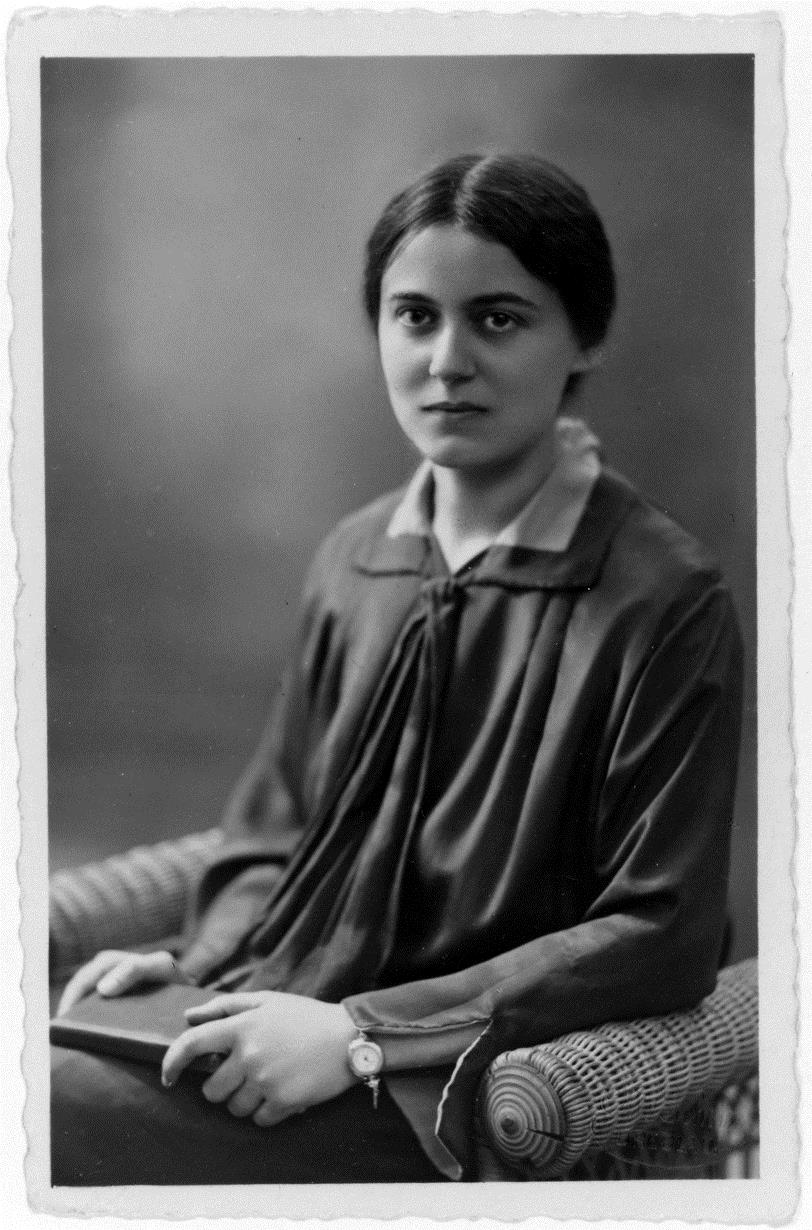
Edith or Benedicta – for Saint Edith Stein (below), a Jewish convert to Catholicism who was blessed with an amazing intellect. Her spiritual journey took her from atheism all the way to a Carmelite convent where her name was Sister Teresa Benedicta of the Cross. She was executed at Auschwitz, but left behind a legacy of poignant philosophical writings.


Dorothy – for Dorothy Day, widely considered one of the most important Catholic social leaders of her time. Day advocated in the United States for the common man and worked tirelessly for peace, never compromising her faith for the popular socialist/Marxist and eugenics movements. She wrote a very beautiful biography of St. Therese of Liseaux in the 1950’s.
Madeleine – for Servant of God Madeleine Delbrel, a French mystic and poet, who wrote The Marxist City as Mission Territory in 1957. You can read more about her here.
Marianna – for Blessed Marianna Biernacka, a Polish martyr of World War II, shot by a firing squad at the age of 55 by Nazis. This grandmother offered her life so that her pregnant daughter-in-law (and the unborn child) might live. It is estimated that of the 11 million Holocaust victims of World War II, 3 million were Polish Catholics and Christians.
Marica – for Marica Stankovic, a Croatian woman of great Catholic influence who founded the Associates of Christ the King. She was sentenced in a show trial to 5 years in prison by the communists. Her cause for canonization was opened in 2006 based on heroic virtue.
Matilda – for Matilda Salem, a Syrian Catholic and influential laywoman who desired to “give herself to her neighbor with the greatest love.” Her Salesian schools educated and supported many needy and refugee children. She died in 1961.
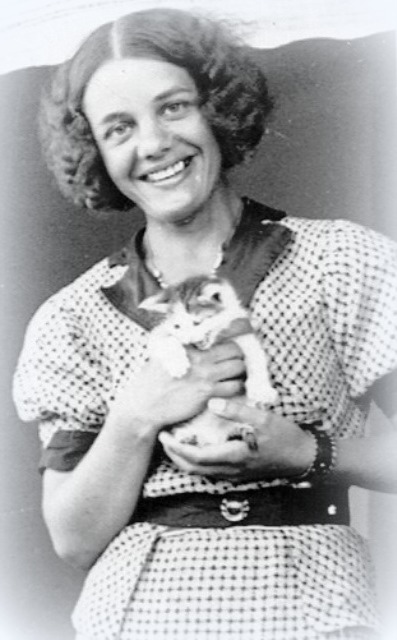
Natalia – for Natalia Tulasiewicz (below), a member of the Polish underground, killed in a Nazi gas chamber at Ravensbruck. Two days before her death on Good Friday 1945, Natalia climbed upon a stool in the barracks and spoke boldly to the prisoners about the passion and resurrection of Jesus.

Pauline or Paulina – for Pauline Vanier, a Canadian woman with a deep devotion to the Sacred Heart and a nationally recognized humanitarian who served the poor and handicapped. She passed away in 1991.
Rosa – for Servant of God Rosa Giovannetti. As a child, Rosa would either be praying, playing her cello or helping the poor. She was an active catechist and charity worker and privately consecrated her life to God.
Santina – for Servant of God Santina Campana, who at a very young age practiced mortifications and offered her sufferings gladly to God. She was reported to have two mystical experiences – sweating blood and receiving an invisible stigmata.
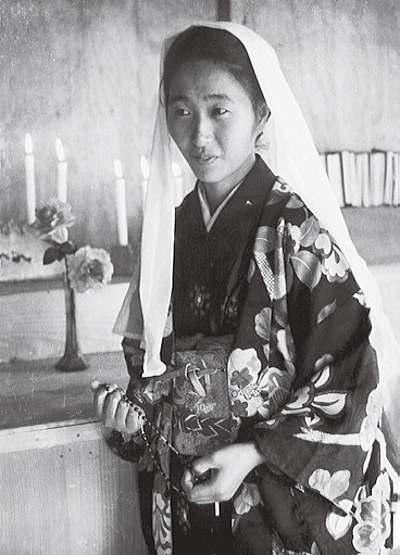
Satoko – for Servant of God Satoko Kitahara (below), who was descended from samurai warriors and became a Catholic convert during World War II. In the aftermath, she spent her life caring for the poor, the orphaned and the destitute.

Vera or Ida – for Wiera “Ida” Francia, often invoked as a saint for the sick, as she suffered much in her short life but gave all to God. Her Polish name comes from the Latin “vera” for truth and she was nicknamed “Ida” in life. She left behind many beautiful writings, near the end reflecting that sickness can be a “conversation with God, in which pain can be transformed into song.”
Victoria – for Servant of God Victoria de Molina, who worked as a teacher and stood fast against the Spanish regime seeking to quell the true faith. She was arrested in 1936 and taken to a detention center. She and seventeen men (including Father Molina) were ordered to march for three hours and some collapsed. But Victoria cried “Take heart! I see the heavens opening. The prize awaits us!” She was shot at dawn while calling out “Long live Christ the King!”
Victorina – for Servant of God Victorina Rivara-Perazzo, a married saint of Argentina, who lived an exemplary life and upon being widowed spent most of her inheritance on the poor and needy. She built several schools and was very much devoted to Saint John Bosco.
Virginia – for Venerable Virginia Tardio, a Bolivian catechist and member of Catholic Action who ran a soup kitchen and founded a medical center for the poor. She was called “The Apostle of Catholic Action” by Pope Pius XII in 1950.
Wilhelmina – for Wilhelmina Ronconi, born in Peru, an excellent student who eventually became a teacher and advocate for the blind. This poet and writer died in 1936. Regarding another Wilhelmina who has attracted attention in more recent years, read about the life of Sister Wilhelmina of the Benedictines of Mary, Queen of Apostles in Gower, Missouri!

Martyrs of the Spanish Persecution:

The persecution of Christians in Spain which started in 1931 and coincided with the Spanish Civil War was a Marxist attempt to entirely eradicate the Church and religion, ultimately resulting in a total of 6,832 martyrs. Among them were these valiant women:

Carmen Moyon
Florence Martinez
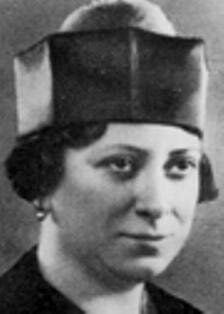
Luisa Canizares (below)
Pilar (pronounced “pee-lar”) Villalba
Tarsila Belda

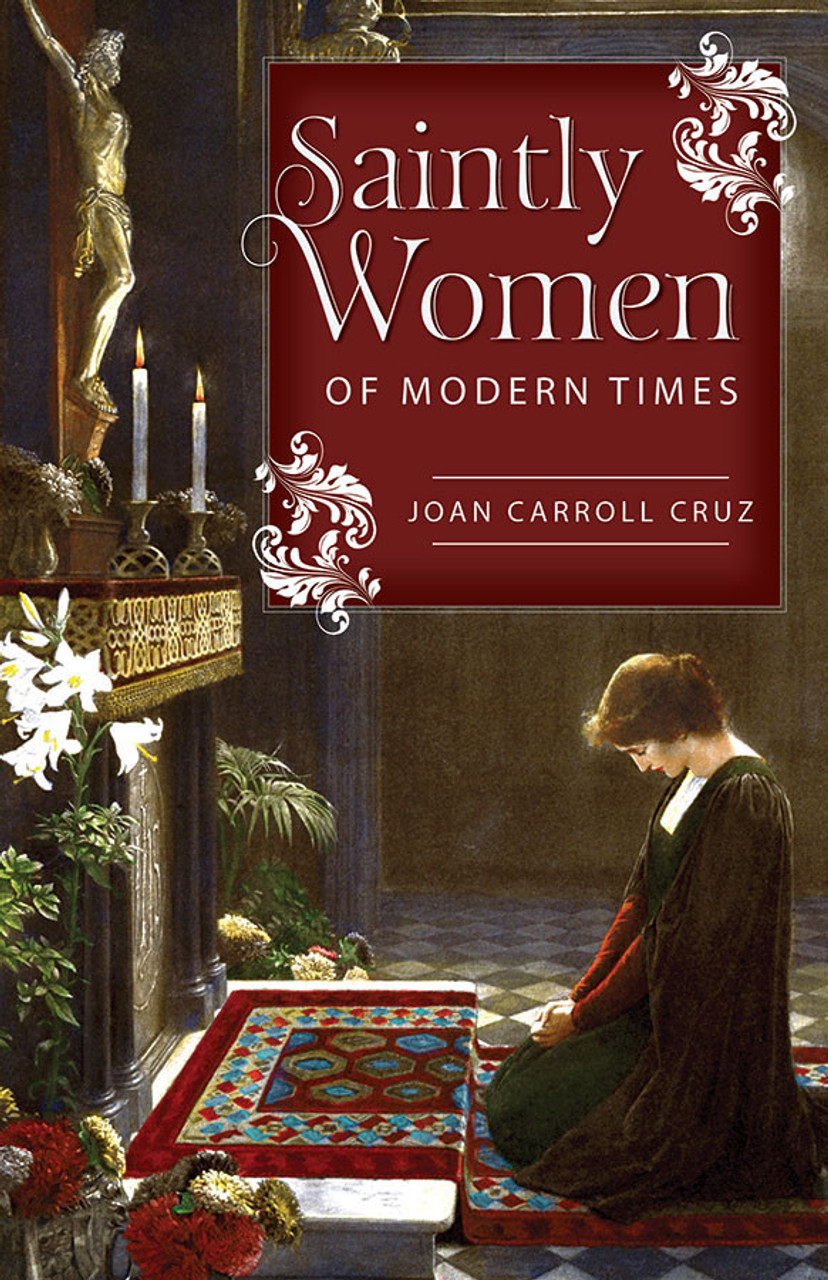
To read more about the lives of the women mentioned today, I highly recommend this beautiful book called Saintly Women of Modern Times by Joan Carroll Cruz. It will inspire you and give you encouragement that holiness can be found in any walk of life!

Filed Under: Faith and Family

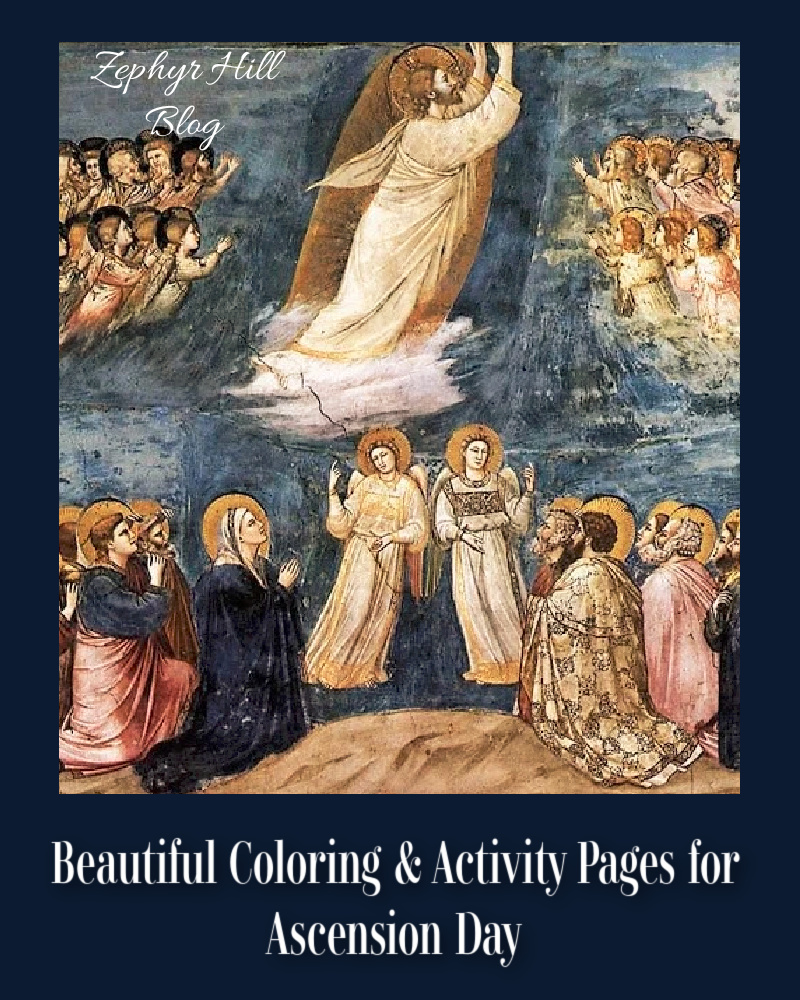
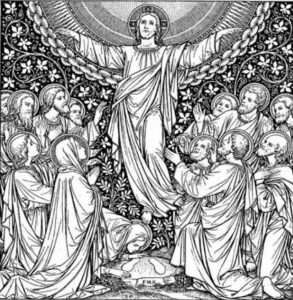
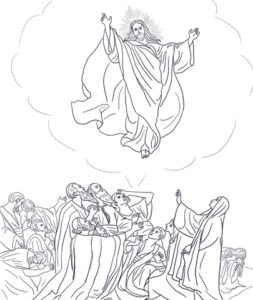
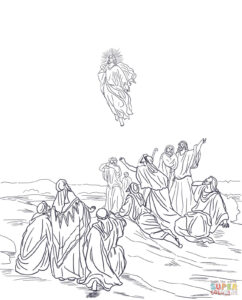
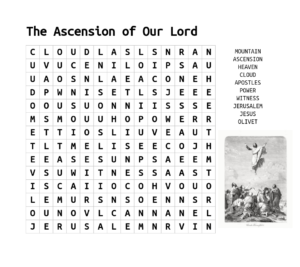
Beautiful Coloring & Activity Pages for Ascension Day

May 18, 2023 by Anne Marie 1 Comment


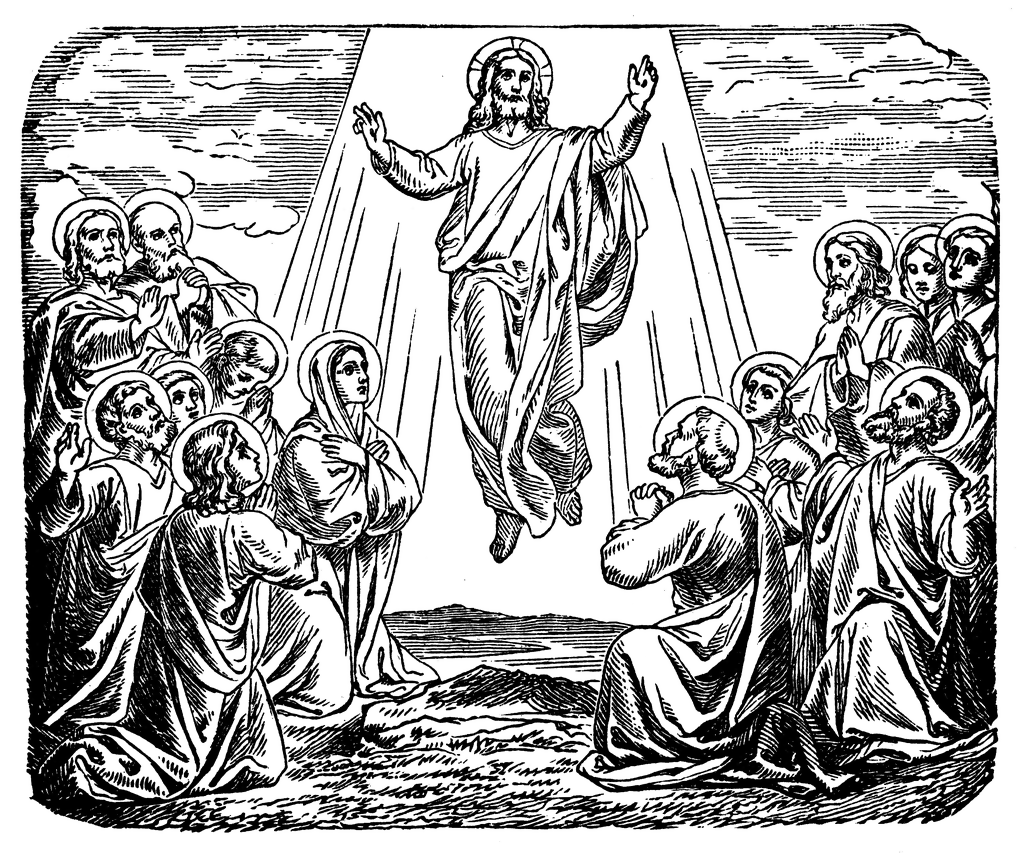
The Feast of the Ascension, forty days after Easter, commemorates the ascending of Jesus Christ to Heaven from Mount Olivet.

You can read the full story of this glorious event in Luke Chapter 1, verses 1-11. Here’s is a snippet.

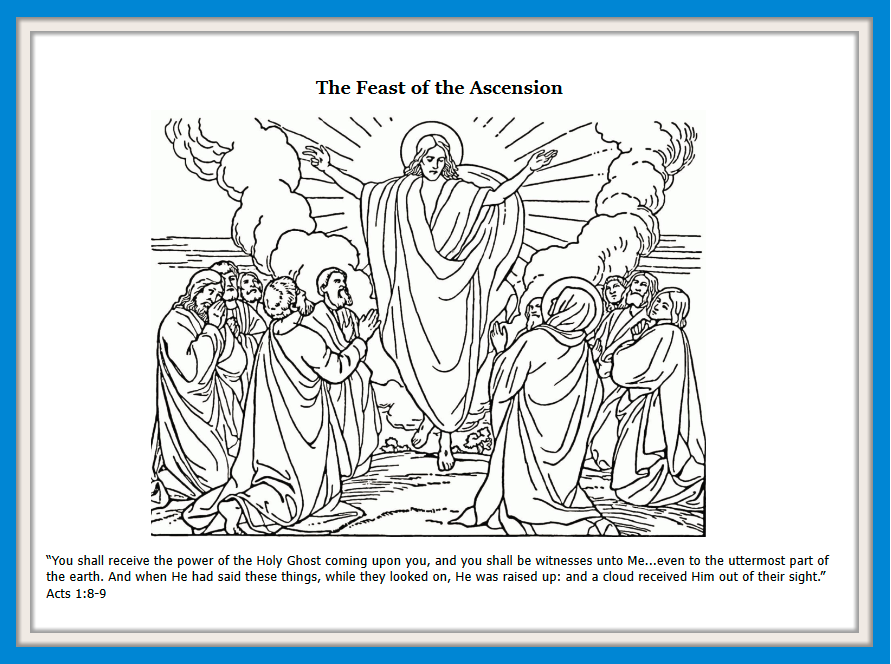
“You shall receive the power of the Holy Ghost coming upon you, and you shall be witnesses unto Me…
even to the uttermost part of the earth. And when He had said these things,
while they looked on, He was raised up: and a cloud received Him out of their sight.”
Acts 1:8-9

It is a popular practice to begin a 9-day Novena to the Holy Ghost on the day after the Ascension, in anticipation of the next feast – Pentecost!

Here are coloring pages and activities to honor the feast day with your children.


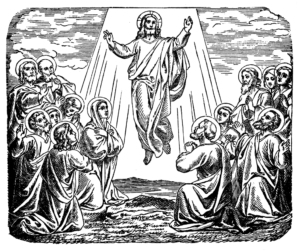
A classical engraving: click here for full size.

This one includes a verse from the Bible. Click here for the printable PDF.

Here is a more ornate design, that might appeal to older children. Click here for the printable PDF.

A dramatic but simple design: the printable is here.

This one is inspired by an old Gustave Dore painting – printable here:

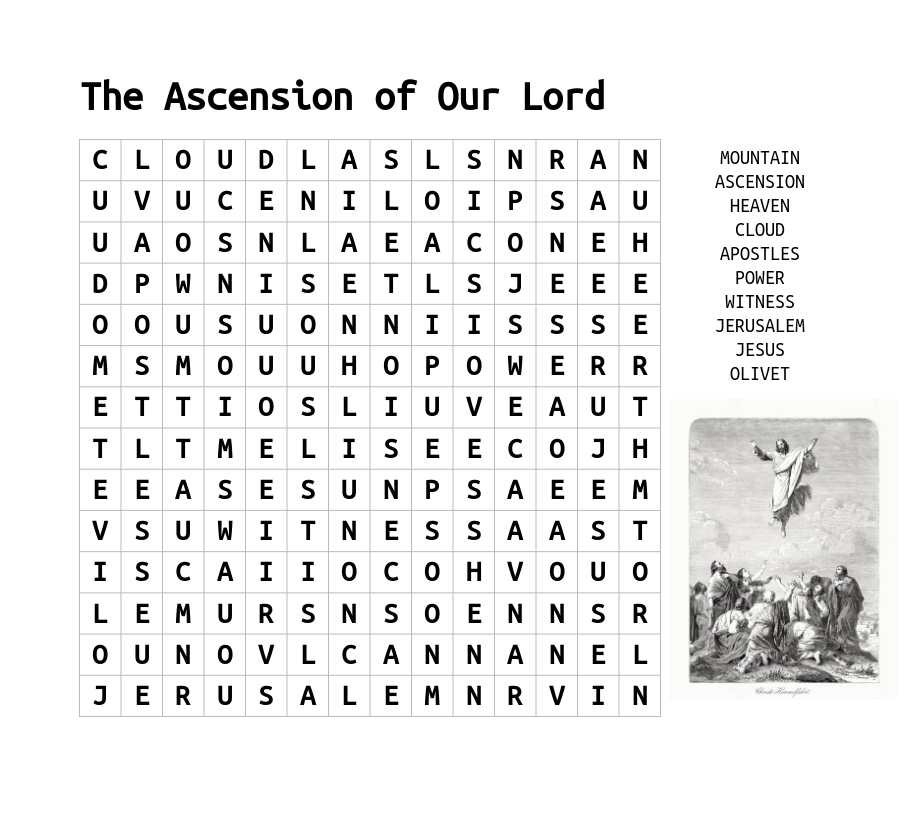
And finally, an Ascension Day word search, printable here:

Happy feast day!

Filed Under: Faith and Family, Homeschooling Tagged With: Ascension activities, Ascension coloring pages, Ascension Day, Catholic homeschooling, Feast of the Ascension

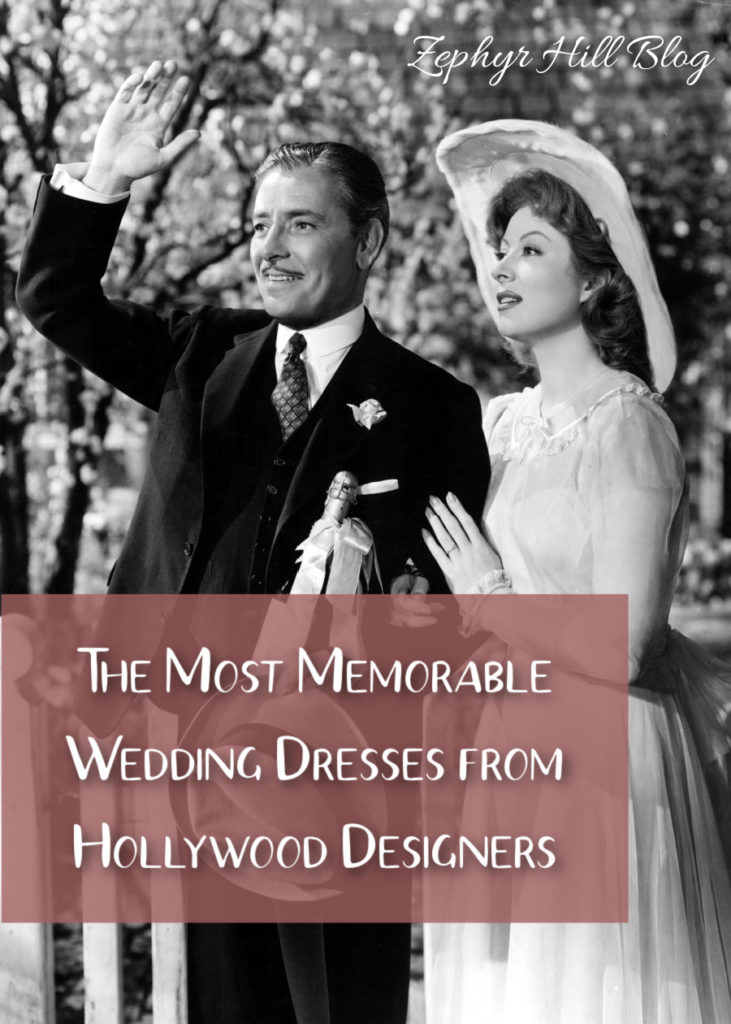
The Most Memorable Wedding Dresses from Hollywood Designers

May 1, 2023 by Anne Marie 7 Comments

A Hollywood costume designer creates clothes that fit the character and help move the story along. And sometimes the script calls for a wedding. But whether the brides live happily ever after or get cold feet and leave the groom at the altar, the gowns they wear live long in the memories of movie fashion fans!

Here are some of our favorites:

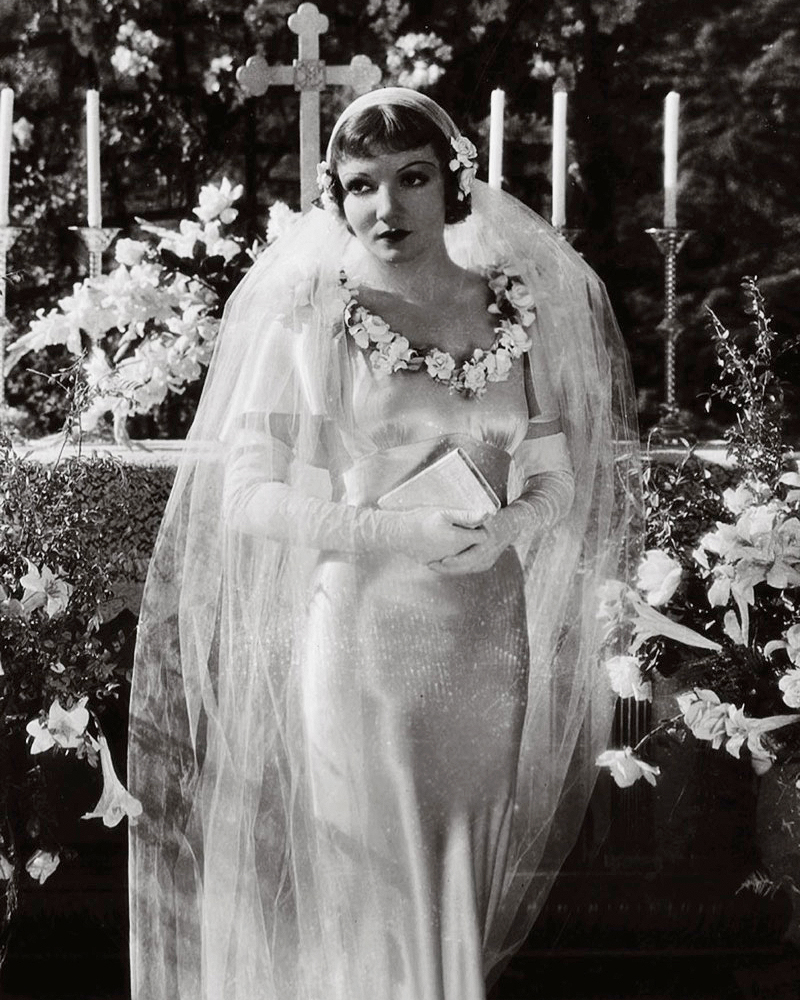
It Happened One Night – The lady in this lovely 1930’s Robert Kalloch design presents a paradox. Underneath the demure exterior, tenderly trimmed with white roses and yards of airy tulle, is a fiery and spoiled socialite who runs away not just from her father, but from the altar, too! Maybe it’s a good thing, though, because Claudette Colbert ends up with Clark Gable.

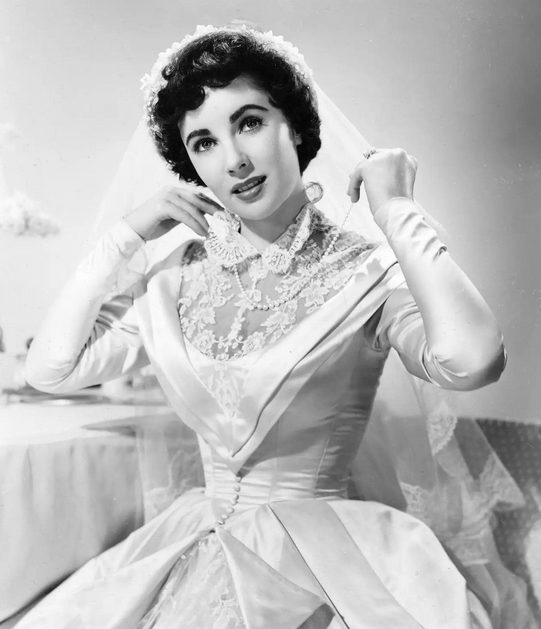
Father of the Bride – It was THE classic comedy about weddings and called for a classic wedding dress. Designer Helen Rose created an elaborate satin gown which was folded and tucked back at the waist to reveal a full lace underskirt. This was complemented by a lace neckline, long fitted sleeves and a flower headdress with full length veil. This bride is the apple of her father’s eye and the dress underscores this! The tiny waist and full skirt epitomized 1950’s glamour and underscored Elizabeth Taylor’s status as a fashion icon.

Credit: Transcendental Graphics/Getty Images

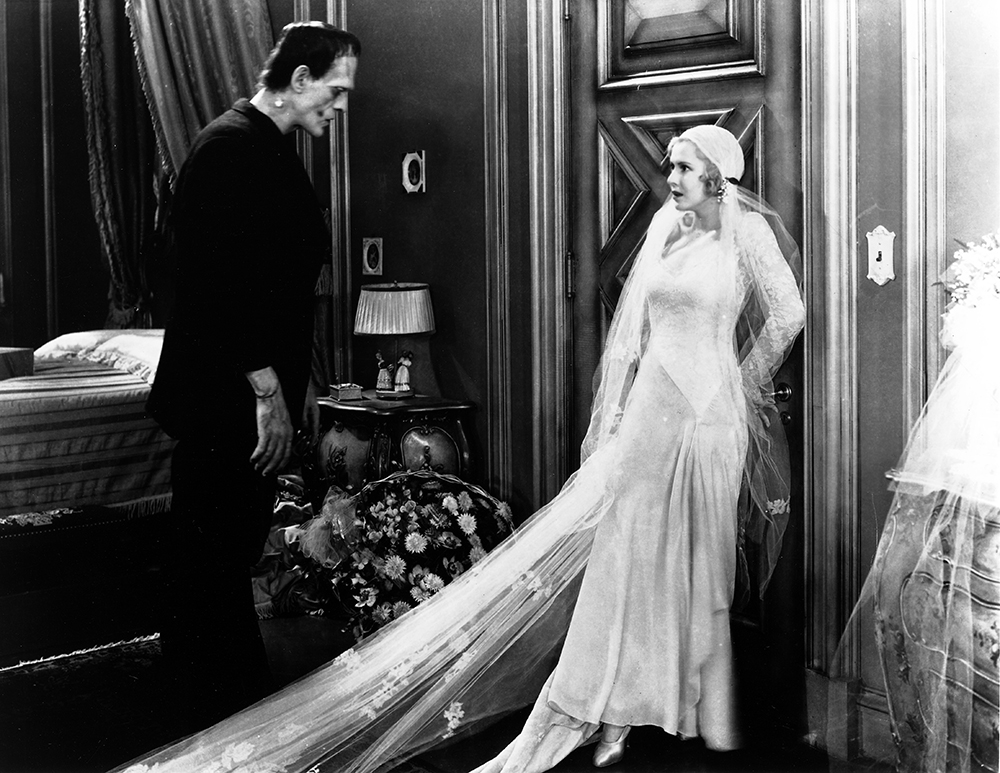
Frankenstein – In 1931, chic and slinky was in, even if the vehicle is a horror movie. In this early Frankenstein flick, Mae Clarke wore a Vera West ensemble featuring a close-fitting head dress and glamorous satin heels. The soft lace, the demure headpiece, blonde hair and gauzy veil – these design elements all work in tandem to provide a stark contrast to the dark and disturbed monster.

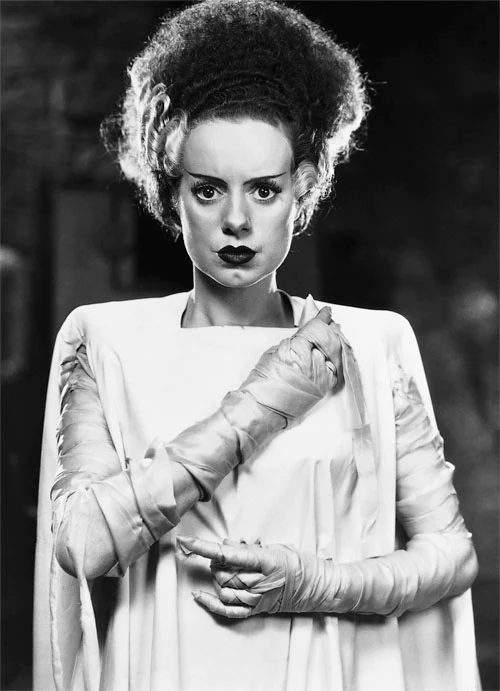
Bride of Frankenstein – We can’t mention Frankenstein without featuring what is probably the most iconic wedding dress ever to appear in a movie, and it’s not because of it’s beauty. In this tragic horror film, the Monster is introduced to his bandaged, manufactured bride, brought cruelly into existence by men seeking to harness the powers of God. Vera West created this simple but iconic tunic dress with sleeves opened to reveal the wrappings underneath.

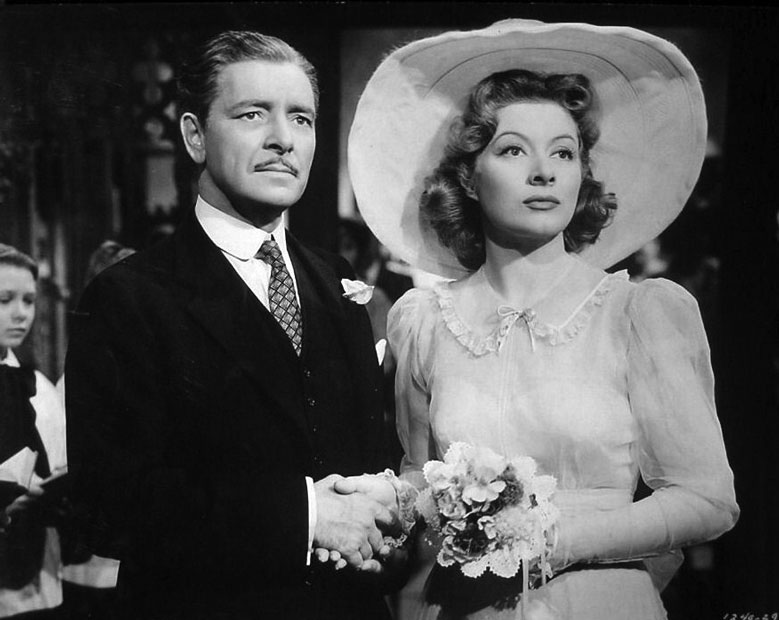
Random Harvest – Here’s a couple that doesn’t have two nickels to rub together, but they’re happy and at peace. Marrying her beloved “Smithy,” a kind and gentle victim of amnesia from the war, Greer Garson can only afford this sweet and simple ensemble designed by Robert Kalloch. If you’ve never seen this gem of a romance, I think you’ll really enjoy the highly unusual plot and satisfying love story!

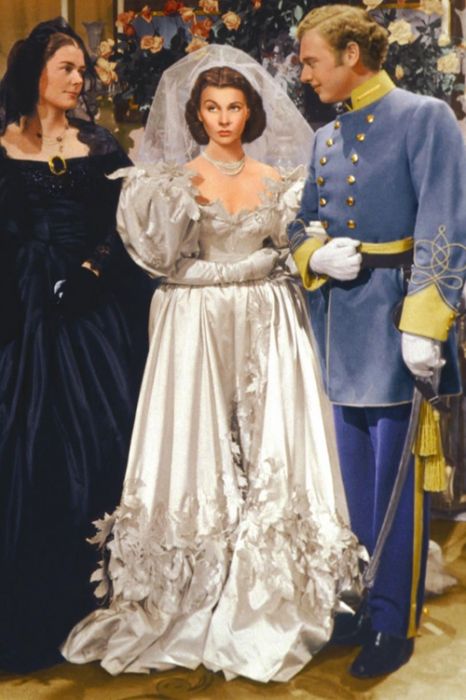
Gone with the Wind – It’s a beautiful design for sure, with flowers and leaves that look like they are floating off the skirt, but have you ever wondered why it looks a tad big on Vivien Leigh? Designer Walter Plunkett was a stickler for details and he knew that Scarlet opted to marry young Charles Hamilton in a hurry, so quickly that she had to borrow her mother’s wedding dress. Therefore, it would have not only been too big for her, but also twenty years old in terms of style (hence the huge gigot sleeves from the 1820’s).

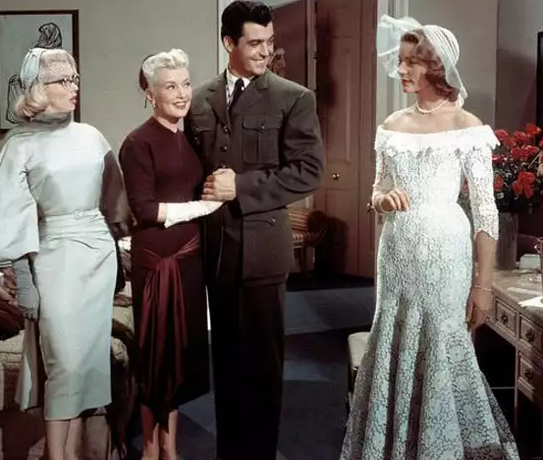
How to Marry a Millionaire – Lauren Bacall sported this snappy, fashionable Travilla design as Schatze Page in the 1953 comedy. The unforgettable design featured an off-the-shoulder fit-and-flare style with irridescent sequins, and a heavy satin lining.

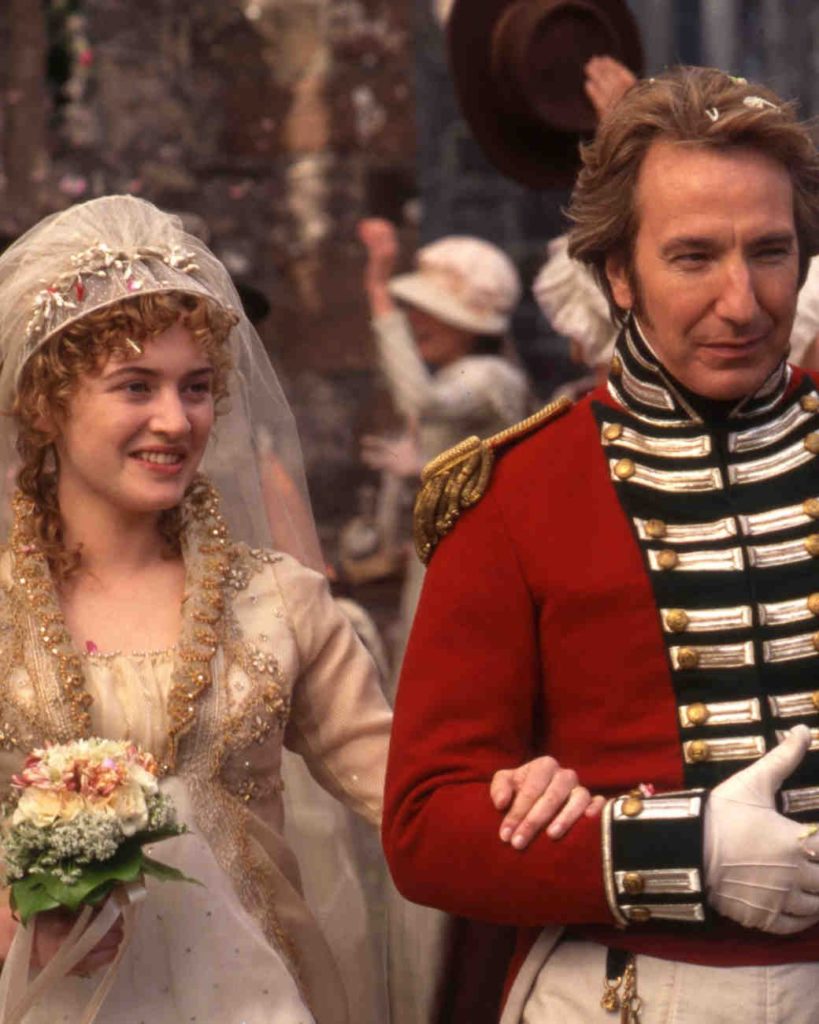
Sense & Sensibility – For this 1995 film adaptation of the Jane Austen novel, costume designer Jenny Beavan used 1800’s design elements like a straw-worked collar and ornate beaded trimming. The cream wedding ensemble, paired with its adorable bonnet and veil, perfectly complemented Kate Winslet’s warm and rosy coloring.

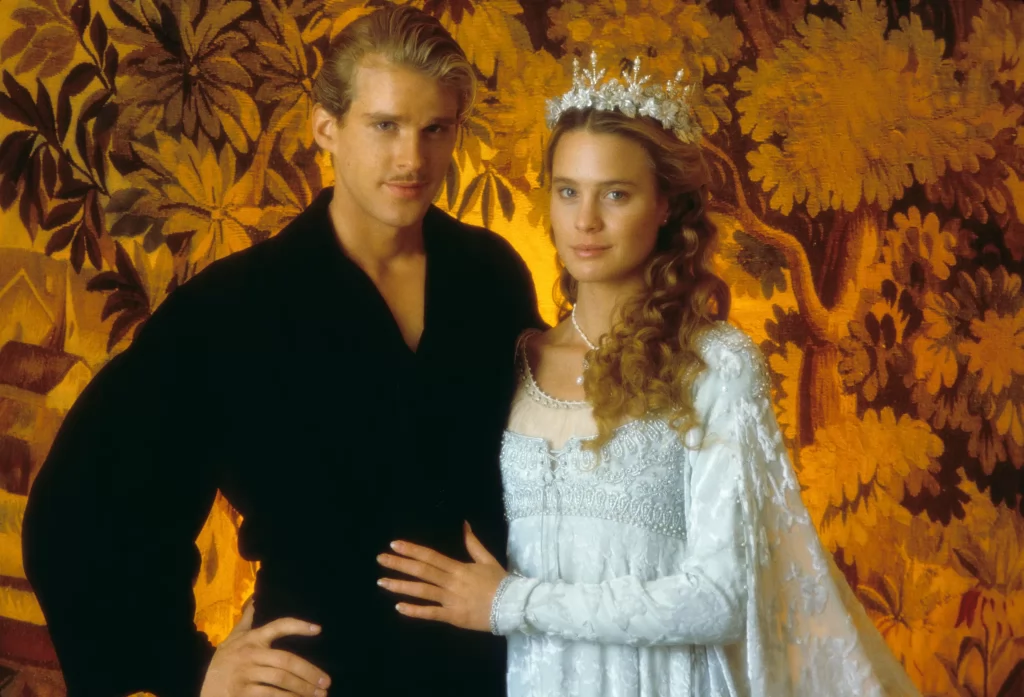
The Princess Bride – It was made in the 1980’s but features Phyliss Dalton’s medieval-inspired designs. Pretty much everything about the wedding scene is epic – the music, the clergyman and the fact that is interrupted by swashbuckling – but Robin Wright was especially memorable as the forlorn “princess bride” in a heavy velvet and pearl gown of pale blue satin and a silver crown. Her long soft curls and flowing butterfly-wing train give an almost angelic appearance.

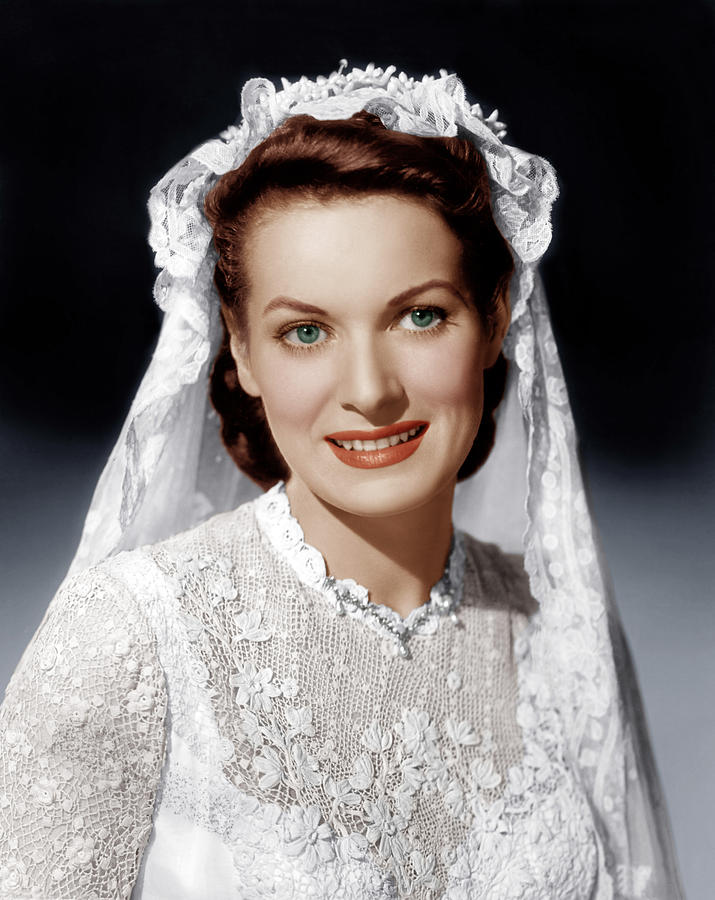
The Quiet Man – Maybe it’s one of my favorites because it’s one of the best movies ever made, but Maureen O’Hara’s lovely, old fashioned lace overlay wedding dress is absolute perfection in this story of a “quiet” man who comes back home to Ireland and meets the girl of his dreams. Even more meaningful is the fact that Irish lace has always been a beloved part of the country’s needlework tradition.

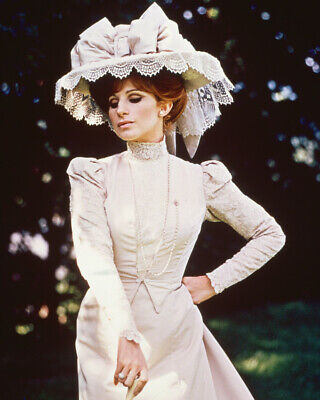
Hello Dolly – Her dress had to be just as over-the-top as the main character Dolly Levi was. Is she wearing her wedding cake on her head? Designer Irene Sharaff certainly delivered with this stunning costume, and it looks so pretty with Barbra Streisand’s flawless complexion!

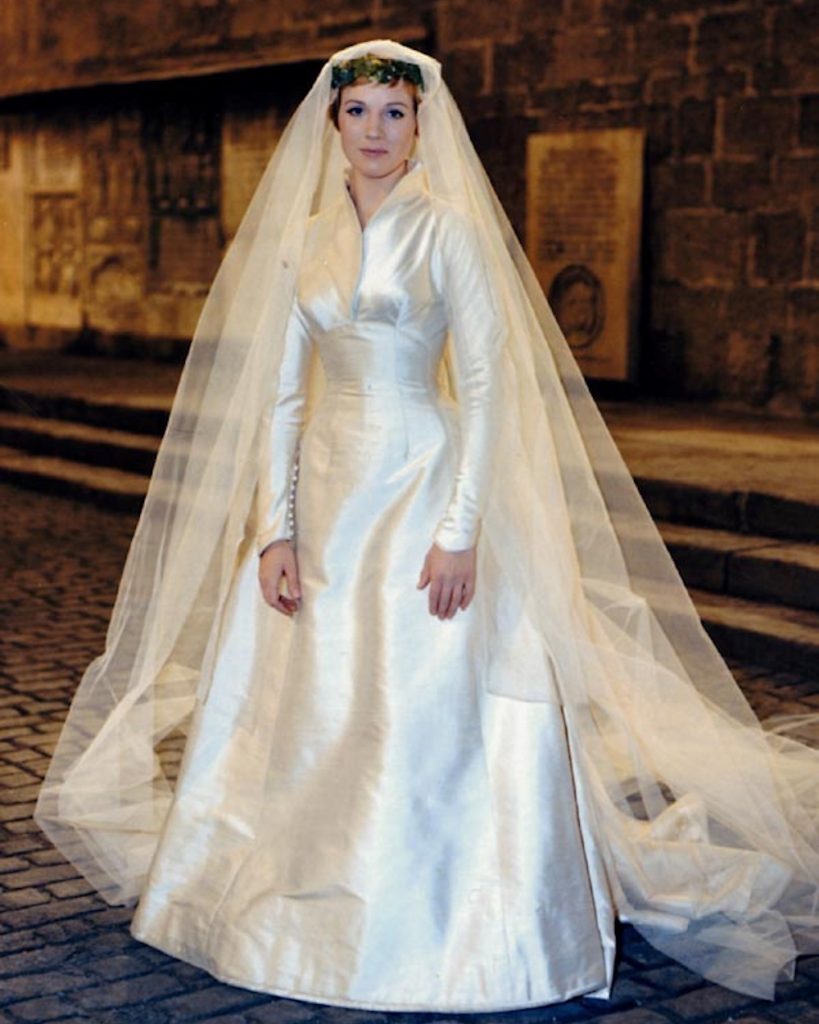
Sound of Music – Who could ever forget that glorious scene, as Maria goes sailing down the aisle to be the bride of Captain VonTrapp, she who once had on eye on being the bride of Christ? The ivory satin gown created by Dorothy Jacobs had timeless appeal and clean lines, with a simple but dramatic floor-length tulle veil.

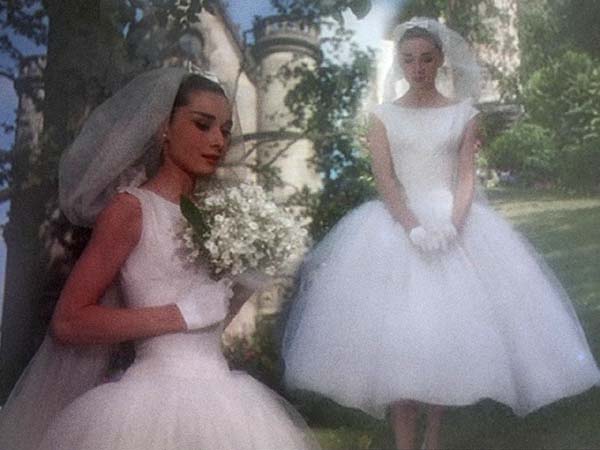
Funny Face – In this fun musical about a bookworm-turned model, Audrey Hepburn modeled a ballerina-length wedding dress created by Givenchy; it was designed to turn heads, and change trends! The dropped waist, tight bodice and layered tulle skirt all emphasized the slim and dainty form of former ballet dancer Audrey Hepburn. Her accessories included gloves, kitten pumps and pearl earrings. The veil was draped in an unusual shoulder-length hooded style and trimmed with a smart white bow. Unlike many costumes in Hollywood, this one appeared in several memorable scenes, including a sunny sequence with Hepburn and Astaire dancing on the lawn of an ancient church.

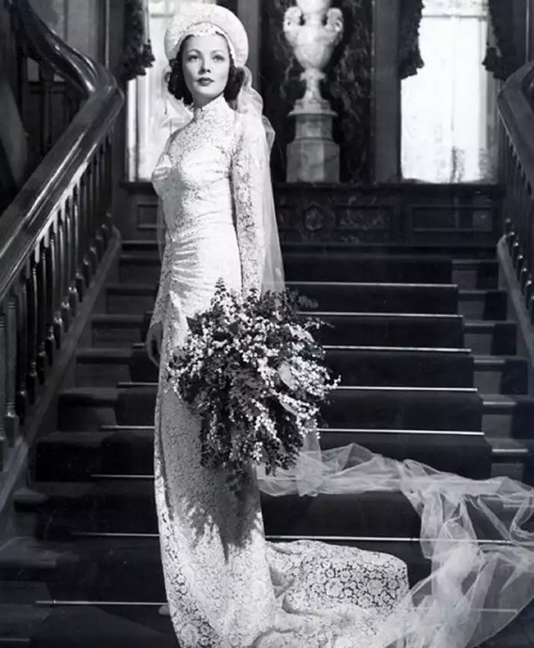
The Razor’s Edge – Oleg Cassini made this elegant allover lace wedding gown for his (then) wife Gene Tierney. It was originally intended for their actual wedding, but they decided to elope!

The headpiece combines a lace cap and halo-shaped hat covered in matching lace. A slim tulle veil is attached and falls gently to the floor.

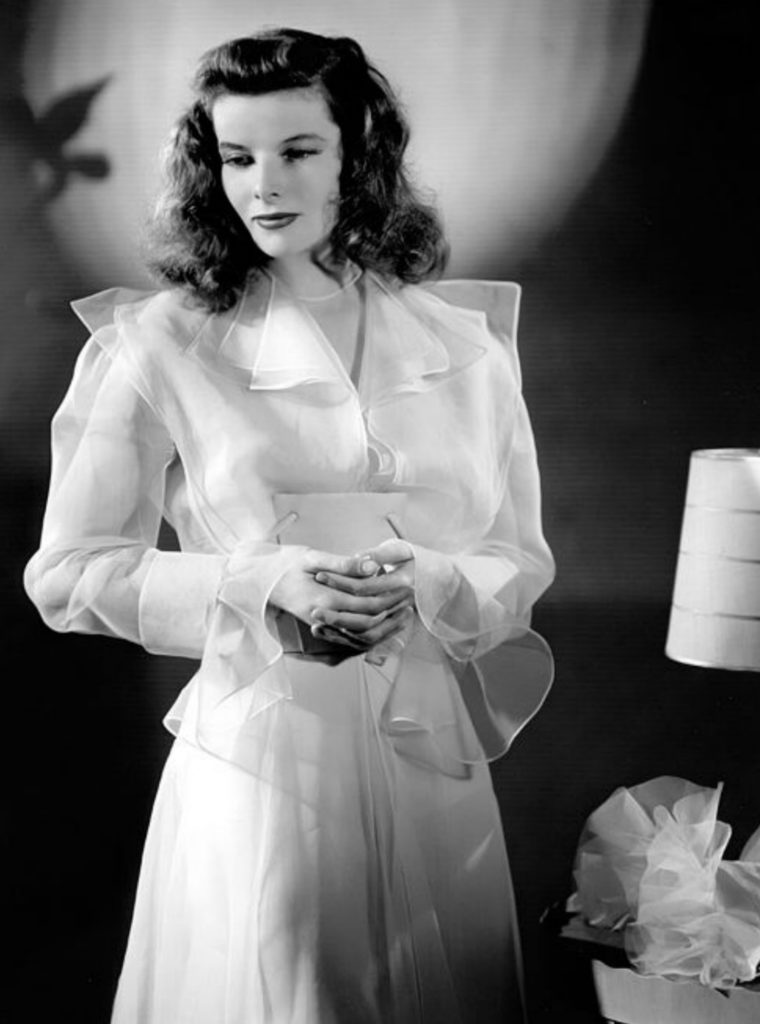
Philadelphia Story –  Designer Adrian was an expert at creating gowns not just for the woman, but also for the character. The “look” he successfully captured in Tracy Lord was her journey from icy, lofty socialite to a woman with a warm and sympathetic heart. Her ruffled organza wedding dress is crisp and cool, with a floor-length profile to accentuate her statuesque bearing. Yet there’s also a hint of feminine softness about it, because the bride is starting to melt. Jilted fiance George describes her this way in the film: “You’re so cool and fine and always so much your own. There’s a kind of beautiful purity about you, Tracy, like a statue.”

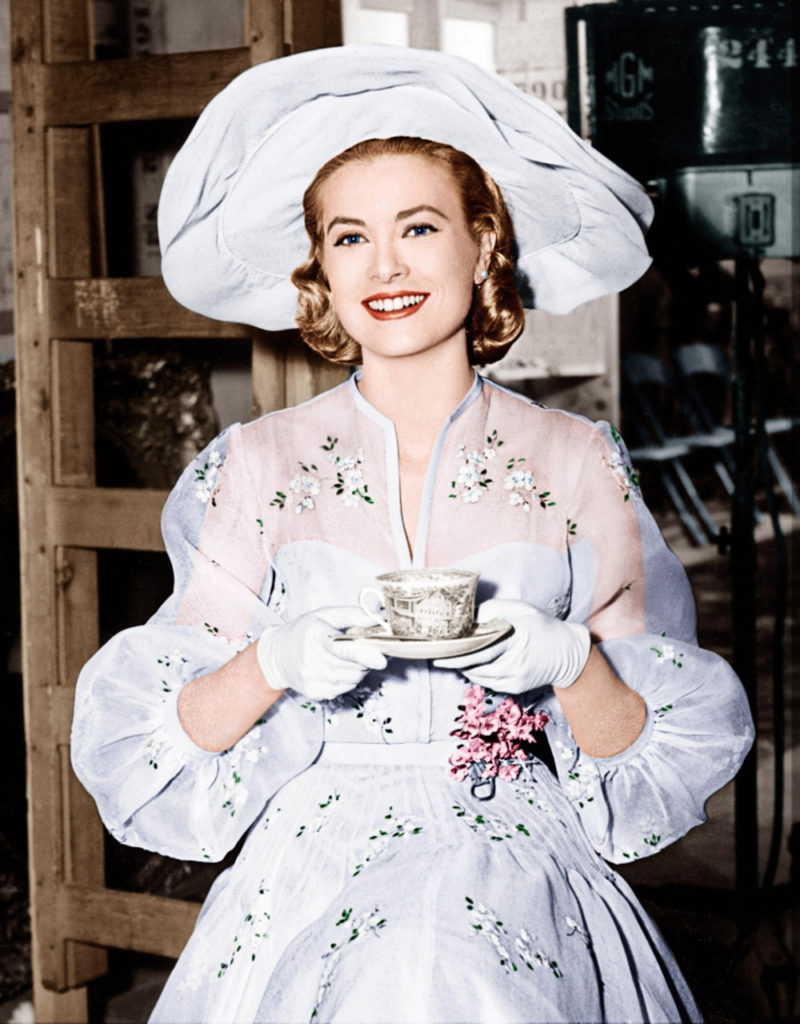
High Society – High Society was a 1950’s remake of The Philadelphia Story, this time starring Grace Kelly. The delicate tea-length dress with sheer organza sleeves and floral embroidery was designed by the talented Helen Rose. Since this wedding was not socialite Tracy Lord’s first rodeo, the gown isn’t the usual classic white. The good news is that she reconciles with her husband, and their marriage is blessed again!

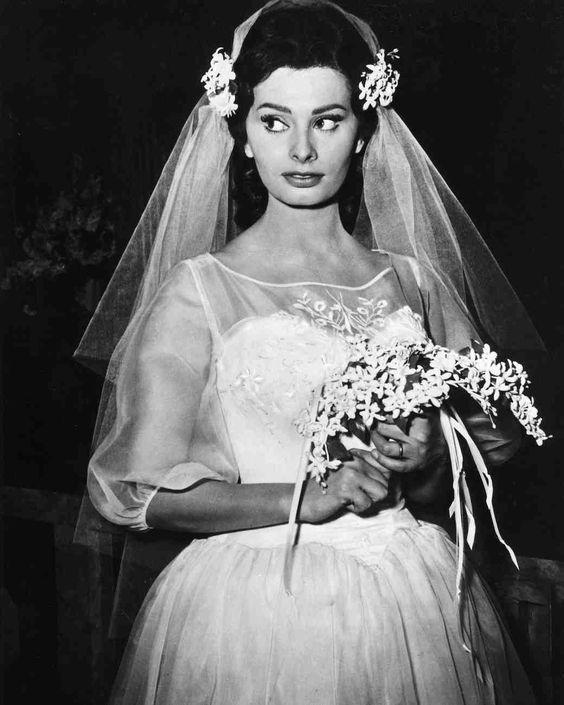
The Black Orchid – Here’s another dramatic design with sheer sleeves, designed by cinema fashion veteran, Edith Head. It has the look of a ballerina with a princess neckline, v-waist and full tulle skirt. The flower accents in Sophia Loren’s hair perfectly complement her dark locks and exotic looks. Fittingly, Loren plays a widow who makes and sells artificial flowers to support herself and her son.

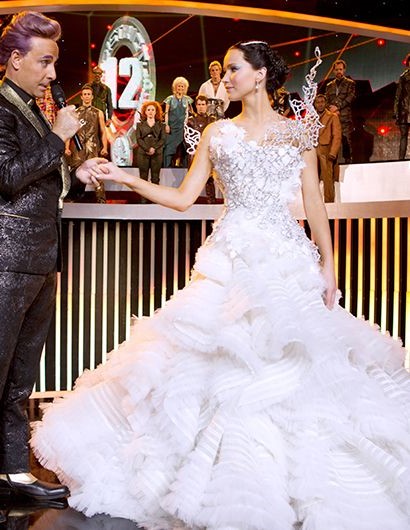
The Hunger Games: Catching Fire – The newest movie included in my line-up is probably not a surprise to you because it features a futuristic wedding dress that was purposely designed to turn heads in a different sort of way; it actually turns into something entirely different. An imaginative design by Indonesian Tex Savario, the gown features a skirt layered with waves of organza and chiffon, laser-cut bird feather accents and a Swarovski-crystal studded bodice. Rising up from Katniss Everdeen’s shoulder is a sparkling metal ornament which signifies fire and flame. Speaking of fire, the Hunger Games contender reveals her defiant “Mockingjay” persona as she begins to twirl around.

How’s that for a grand finale!

What’s your favorite Hollywood wedding dress or wedding movie?


Filed Under: Faith and Family

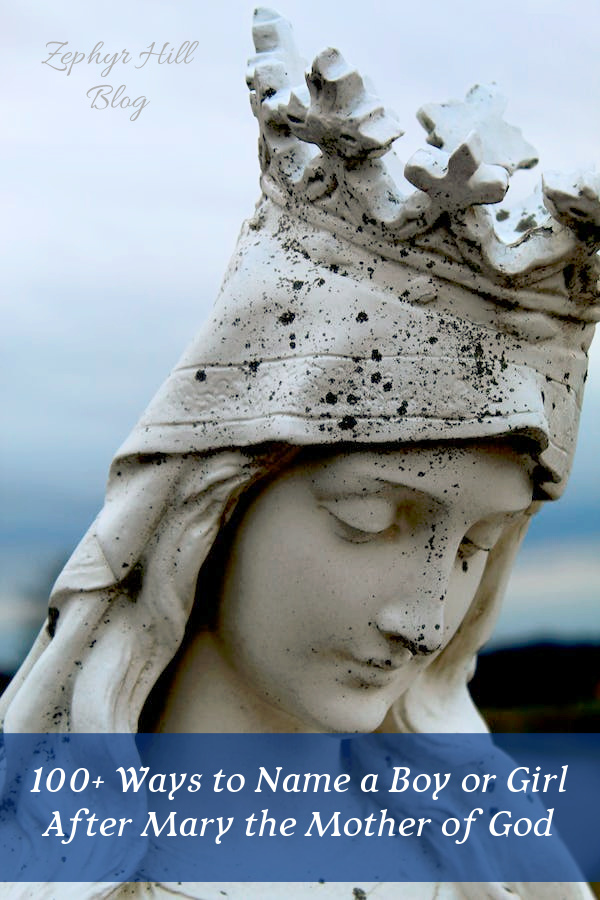
100+ Ways to Name a Boy or Girl After Mary the Mother of God

April 26, 2023 by Anne Marie 3 Comments

For hundreds of years, Mary stayed solidly in the top 10 of baby name lists (even though they didn’t really have those in the “old days,” but you get the point). And it will always be a lovely name!

Whether you’re talking about a girl named Mary Virginia or a 17th century French priest named Louis-Marie de Montfort, parents since the time of Christ have honored His mother by the names they’ve chosen for both their boys and girls. My mother had four daughters, and three of us were given the middle name of Marie to honor the Blessed Virgin.

If you wish to remember the Mother of God and her role in salvation history, but want something more unique than Mary or Marie, then read on!

Let’s start with forms of Mary.

Note: Names that would also work well for a boy are in italics.

Variations of the Name Mary

Mara or Maura
Maria
Mariah
Marion
Marya
Maureen
Miriam

Diminutives of Mary

Many forms have grown out of the name Mary, in different languages:

Marika
Mariska
Marita
Marzena
Mia
Molly
Myra
Ona
Polly

Names That Contain Mary

Maribel
Marilla
Marlyn
Marilyn
Marianna
Marianita
Marilee
Marisela
Marisol
Marlene
Marlena
Marynell
Maribeth
Marigold
Marilou
Mariel
Mariella
Mariette
Marissa
Marita
Rosemary or Romy

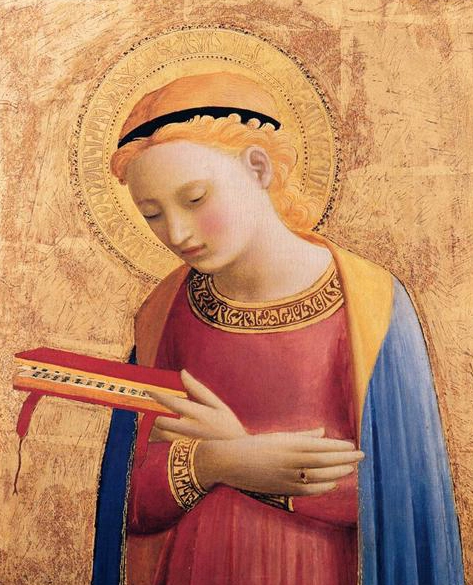
Our Lady of the Annunciation by Fra Angelico

Marian Names Inspired by Devotion

If you’ve ever prayed the Litany of the Blessed Virgin Mary (composed during the Middle Ages) you know that over the centuries God’s mother has been given many titles, out of love and appreciation for her attributes and assistance. Jesus generously gave us Mary from the cross: “Behold, your mother!”

These titles can be used for a child’s name in various imaginative ways.

Akita – from Our Lady of Akita
Alexandria – from Our Lady of Alexandria
Amata – from the Latin for “Beloved Mother”
Amy – from the Latin for “Mother Most Amiable”
Angelo or Angela – from “Queen of Angels”
Carmel – from Our Lady of Mount Carmel
Caeli – from “Gate of Heaven” (Caeli is pronounced as it is in Latin – chay-lee)
Clement – from Our Lady of Clemency
Cora – from the Latin for “Immaculate Heart”
Danica – from the Slavic for “Morning Star”
Dawn or Aurora – from “Mary the Dawn” or “Dawn of Salvation”
Edessa – from Our Lady of Edessa
Eve or Eva – Mary is called The New Eve
Fatima – from Our Lady of Fatima
Fidelis – from Virgin Most Faithful
Grace or Gratian – from Our Lady of Grace
Lily – a symbol of purity
Lupe – after Our Lady of Guadalupe
Maren or Marina – from “Star of the Sea”
Marisol – from the Spanish for “Mary of Solitude”
Mercedes – for “Mother of Mercy”
May – the month of Mary
Paloma – after Our Lady of the Doves or her title “Spotless Dove”
Perpetua – after Our Lady of Perpetual Help
Pilar – after Our Lady of the Pillar
Ransom – after Our Lady of Ransom
Refugio – after Our Lady of Refuge
Reina or Reyna – from the Latin for “Queen”
Roch – after Our Lady of the Rock
Rose or Rosa – from “Mystical Rose”
Rosario or Rosaria – from “Queen of the Rosary”
Sophia – from “Seat of Wisdom”
Star – from “Star of the Sea”
Stella – from “Star of the Sea” or “Morning Star”
Tristan – after Our Lady of Sorrows
Victor or Victoria – after Our Lady of Victories
Virginia – from the Latin for “virgin”

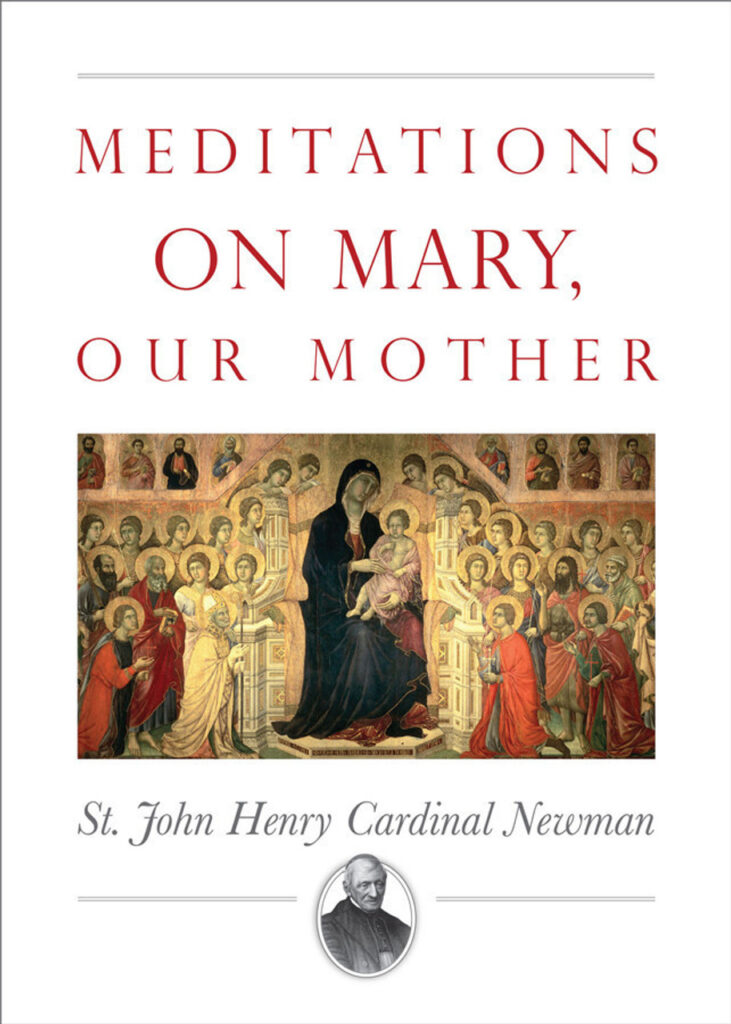
Above: Insightful meditations from Saint John Newman, an Anglican convert

Do you have any other Marian name ideas to share?

Filed Under: Faith and Family, Names Tagged With: baby names related to mary, naming a boy after Mary, naming a child after mary, nicknames for Mary, variations of Mary

  • « Previous Page
  • 1
  • …
  • 5
  • 6
  • 7
  • 8
  • 9
  • …
  • 31
  • Next Page »

SOCIAL MEDIA

Newly Published

  • The Coop Upgrade Nobody Talks About Until It’s Too Late
  • Ignore the Radio Ads About Life Insurance, But Please Read This Post
  • Do Catholic Parents Have to Choose a Saint Name for Their Baby?
  • The BEST and Most Comprehensive Baby Name Books for Parents
  • Educational Games to Enjoy With Your Children

Popular Posts

  • My Home Birth Story: Full of Surprises
  • Organics by Ti Bamboo Flats Review & Giveaway
  • Home Schooling with Limited Space
  • 5 Ways to Handle Food Throwing and Messy Eating
  • Outside-the-Box, Delightful Gift Ideas for 2022

Copyright © 2026 · Zephyr Hill Blog · Design by Albemarle PR

Copyright © 2026 · Albemarle PR - Hannah Template on Genesis Framework · WordPress · Log in