Zephyr Hill

A Family Blog

Header Menu

  • Home
  • Contact Me
  • Terms / Privacy
  • Homeschooling
  • Faith and Family
  • Book Reviews
  • Cloth Diapers
  • Pets

5 Reasons to Have a Rooster in Your Flock

September 9, 2014 by Anne Marie 4 Comments

OLYMPUS DIGITAL CAMERA

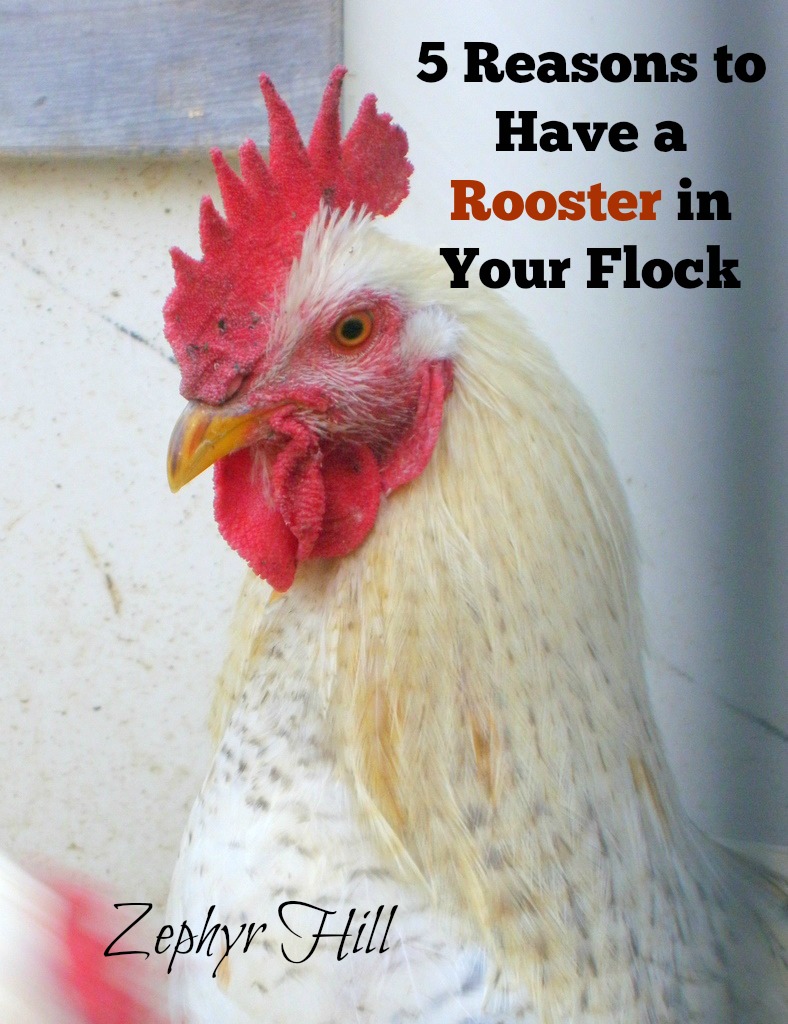
Should you have a rooster in your backyard flock? Some families worry about aggression, or being woken up every day at the crack of dawn. But my family LOVES having a rooster. Assuming there’s no ordinance or law against it in your area, here are five reasons you might consider adding a cockerel to the mix:

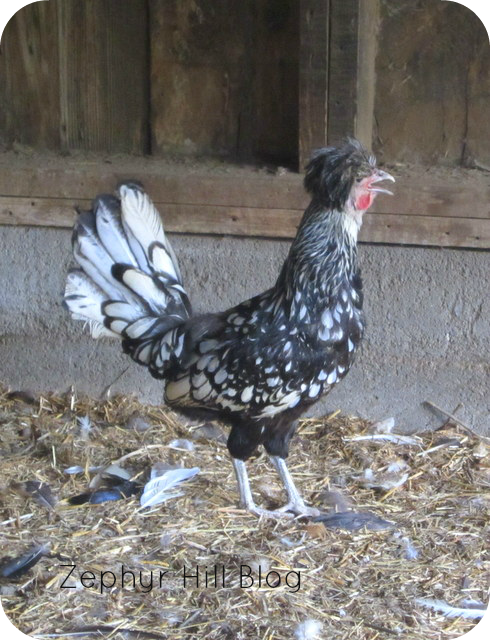
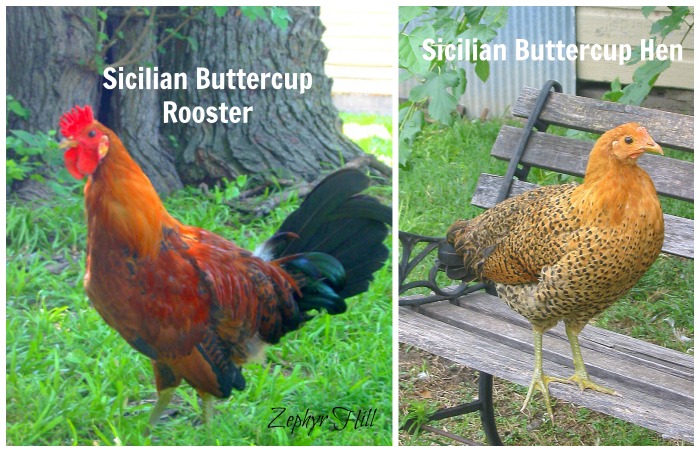
Roosters are beautiful. As with many other species on Earth, the males are more showy. Roosters don’t just stand a head above the hens; their feathers are often more colorful or unusual. Some look quite exotic!
rooster2

Roosters are helpful. They are fierce and vigilant protectors. At the slightest sign of danger, they go into action. I love watching our rooster corral the ladies in a safe place; he scolds them and threatens them if they try to venture out before he feels it’s safe to leave. When attacked, a hen begins to cry in a loud, pitiful voice. She tries desperately to get away. The rooster, however, will fight back with all his strength.

It’s nice to know someone else (besides us) is watching out for “the girls.”

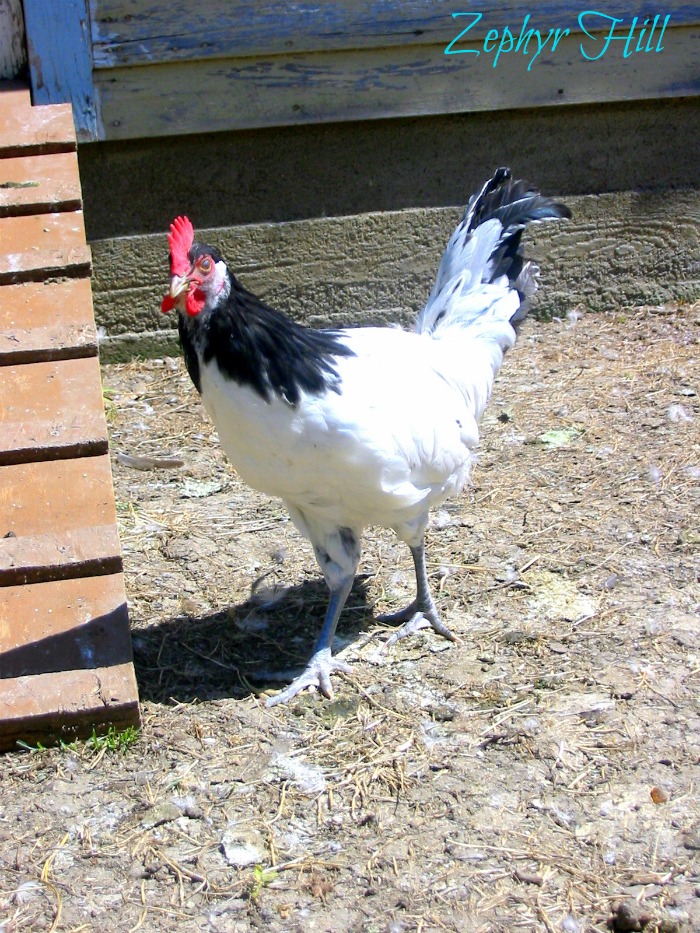
Roosters are entertaining. Grab a cup of coffee and enjoy the show. We like to sit in the backyard and watch the rooster do his thing. He crows. He struts. He bosses the girls around. He’s the cock of the walk and doesn’t want anyone to forget it.
rooster3

Roosters add possibility. If you decide to hatch some eggs later on, having a rooster is handy. Otherwise, you’ll have to purchase fertilized eggs.

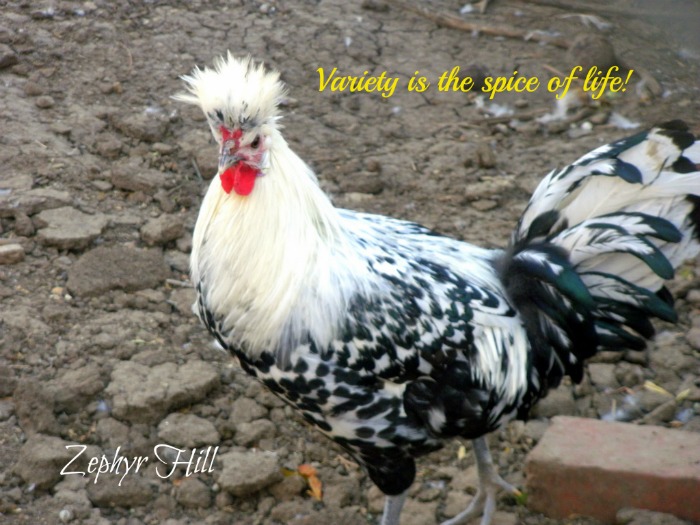
Roosters add diversity. Who wants a bunch of mommies and no daddy? Let’s hear it for variety, right? Having both females and males in your flock makes things more interesting, and educational for everyone.
OLYMPUS DIGITAL CAMERA

While we’re on the subject of roosters, here are three common questions people often ask:

Do our hens need a rooster in order to lay? Not at all; hens will give you nutritious, delicious eggs whether they are mated or not.  And although some people still hotly debate the topic, most studies seem to show there’s not a difference nutritionally between fertilized and unfertilized chicken eggs, although there are some slight variances in structure. Some chicken enthusiasts will swear to you they can taste a difference, but I’ve never noticed it.

How many roosters should you have? The ratio of roosters to hens will vary according to breed and living quarters. For most standard backyard breeds, having one rooster for every 6-8 hens is plenty. Some smaller and more active breeds (like the Buttercup pictured above) can suffice with one rooster for every 10-12 hens. Free ranged birds give you greater flexibility; housed or caged birds offer less. Too many roosters will result in in-fighting and “roughing up” the females.

Are all roosters mean? Not by a long shot, so don’t let the story your grandmother told you about beating off a cock with a two-by-four scare you away. Certain breeds can be prone to aggression (the Rhode Island Red immediately comes to mind), and others are more mild (we’ve had good luck with Orpingtons and Buttercups). However, breed alone is not a determining factor. Handling also comes into play, so try out your “chicken whispering” skills early on. Hand feed your birds. Hold them in your lap. Let the children carry the young cockerels around. When all else fails, throw the bad boy in the stew pot, or use Craigslist to re-home him.

annesignature

Filed Under: Hobby Farming, Pets Tagged With: are fertilized eggs better, fertilized vs unfertilized eggs, should you get a rooster, what to do with roosters, why roosters are useful

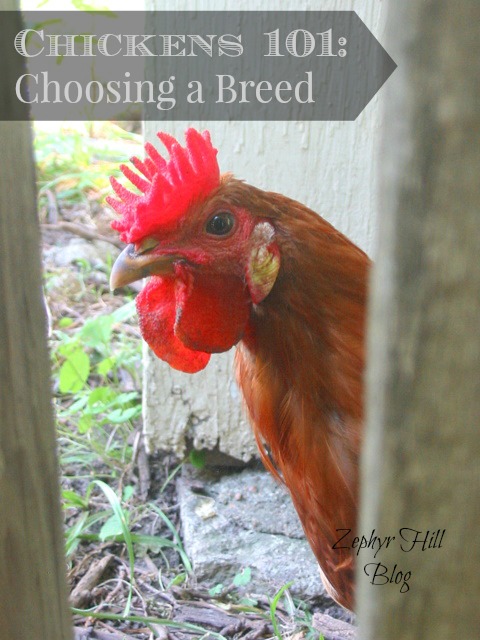
Chickens 101: Choosing the Right Breed

April 27, 2014 by Anne Marie 9 Comments

After you’ve made the decision to own backyard chickens, picking a breed or breeds is probably going to be your next step. Jeremiah and I spent hours upon hours poring over books and catalogs so we would better understand the breed profiles and find a good fit for our family and our geographical region.

There are hundreds of breeds to choose from, and within the breeds themselves, there are ranges of colors and patterns. And all this just to get a fresh egg? Yes, God knows we all like variety!

Over the years we’ve tried about 20 different breeds, including some of the rare ones. I love the rare breeds because you just don’t see chickens like that in most backyards, and they always turn heads. I’m going to group the breeds by certain characteristics to make choosing easier. This is not an exhaustive list, by any means. It includes most of the birds you’ll find available for purchase in catalogs or farm stores.

RELIABLE BROWN EGG LAYERS

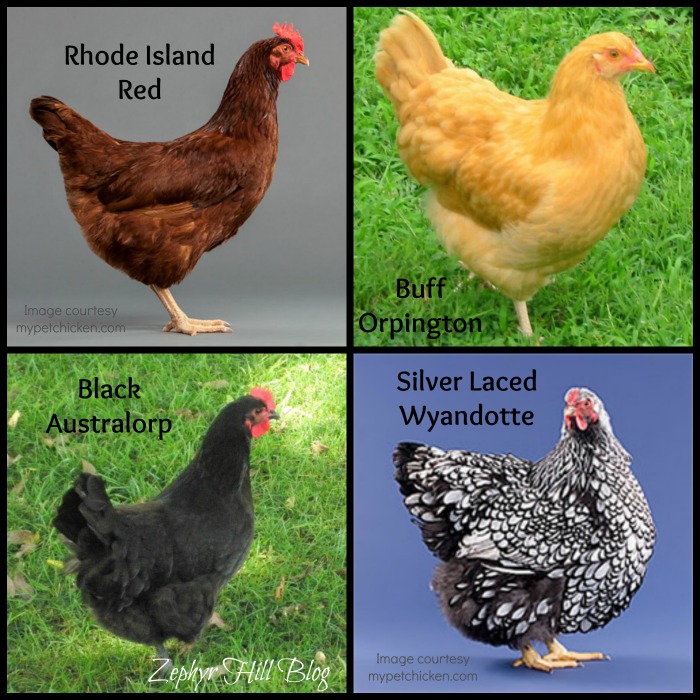
Breeds in this category: Buff Orpington, Black Australorp, New Hampshire Red, Rhode Island Red, Barred Rock, Dominique, Delaware, Speckled Sussex, Wyandotte, Black Sex Link and Red Sex Link

Profile: These are all very popular backyard breeds because they lay those signature brown-shelled eggs and do so at a very reliable rate (about 4 or 5 per week). They are medium to heavy birds (that can be dual-purpose, providing both eggs and meat) and are generally cold-hardy. If this sounds like your ideal chicken, there are plenty of colors to choose from among the breeds – everything from white to gold to black to spotted.

My thoughts: You can’t really go wrong with any of these breeds, so just have fun picking colors. They are tried and true; most every backyard flock will have one or more of these workhorse chickens. At some point, we’ve owned every single breed except for the Sex Links (which are color-sexable at birth). I especially love the Buff Orpington because of its soft golden plumage and self-assured, curious temperament. We had a favorite several years ago that the children called Big Mama; she loved to be held and spent a lot of time on our deck, like a family dog would.  Black Australorps have that wonderful “beetle-black” sheen to their feathers which glows green when highlighted; they reliably lay even in cold weather, when other birds have thrown in the towel. Be wary when buying New Hampshire Reds and Rhode Island Reds; the roosters are notoriously aggressive. For looks, Wyandottes are quite dramatic; the gold and black and silver laced varieties are my favorites.

CLASSIC WHITE EGG LAYERS

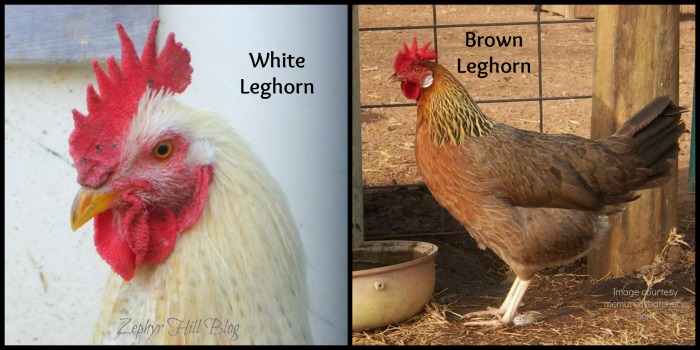
Breeds in this category: White Leghorn, Brown Leghorn, Hamburg

Profile: Although many families have in their mind that those soft brown eggs symbolize true “farm fresh,” wholesome eggs, the White Leghorn breed still remains popular because a lot of folks do love pure white eggs. (Note: Leghorns are the preferred commercial layers because they have a great feed to output ratio). If you’ve ever watched the old Warner Brothers cartoons, then you might simply decide to buy a couple of these so you can have Foghorn Leghorn strutting around the run! The Hamburg and Brown Leghorns are other (less common) white egg layers, and output is not as prolific. But they offer MUCH more variety in their feathering (solid, spangled, penciled, etc.).

My thoughts: If you love white eggs and white chickens, go for some Leghorns. If you want white eggs, but more variety as far as looks go, choose the Brown or a variety of Hamburg; Silver-Spangled Hamburgs are simply stunning!

THE TROPHY CHICKENS

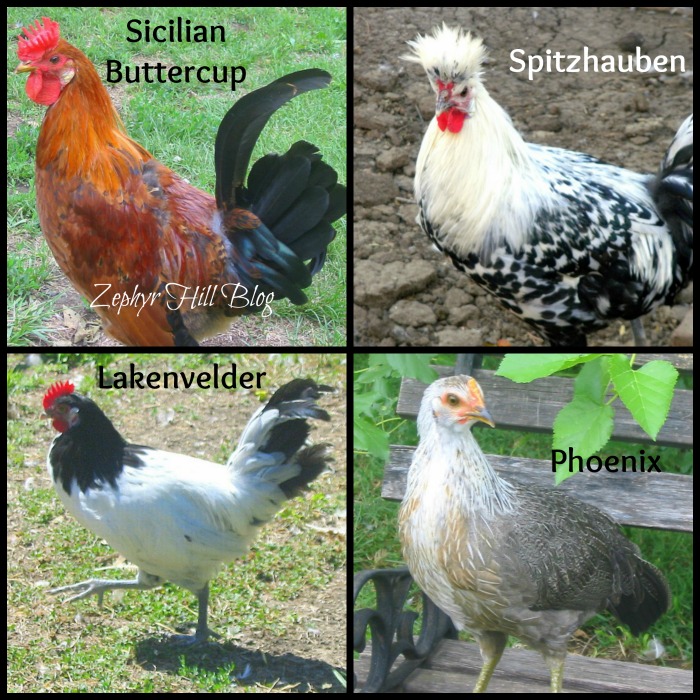
Breeds in this category: Spitzhauben, Campine, Buttercup, Andalusian, Lakenvelder, Phoenix, Polish and Bantams

Profiles: These chickens take home trophies for their looks, not their egg-laying proficiency. Egg colors and body sizes will vary, as will temperament. Because many of these are of the Mediterranean variety or of smaller/delicate composition, they can be a little less hardy than the breeds mentioned above. They serve as excellent 4-H projects and exhibition birds, but I personally recommend sitting on a swing in your backyard and just watching them.  🙂

My thoughts: We always have at least a few birds like this that are just plain fun to look at. Many of them have unusual markings or physical features (like a unique comb or feather coloring) as well as personality quirks that you don’t find in the standard backyard breeds. The Mediterranean breeds (like Buttercups and Andalusians) are active, skilled foragers; although they aren’t the “cuddliest” birds you’ll own, they are gentle. Our Buttercup roosters ate out of our hands.

RAINBOW LAYERS

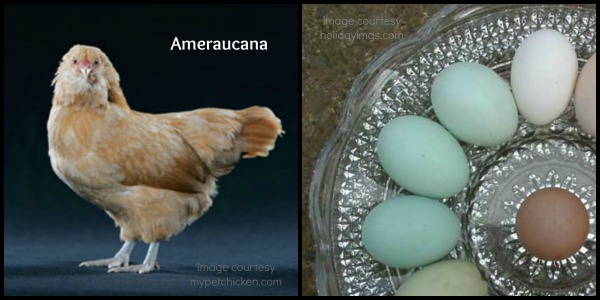
Breeds in this category: Easter Eggers, Ameraucana, Maran and Welsummer

Profiles: If the thought of brown and white eggs seems limiting, never fear. Easter Eggers and Ameraucanas will lay a lovely assortment of pastels (green, blue, pink, etc.); Maran and Welsummer shells are the color of chocolate.

My thoughts: Our Marans were somewhat delicate and since hardier birds are appreciated in the inclement Midwest; we haven’t bought this breed again. But you’ll always find Ameraucanas in our flock! The children love harvesting the multi-colored eggs, and I personally think these birds are adorable because of the feathered “muffs” and “beards” on their faces. With a sweet disposition to match and a rainbow of patterns to choose from, it’s a win-win. They lay about 3 eggs per week which is considered to be a good rate.

THE BIG BOYS AND GIRLS

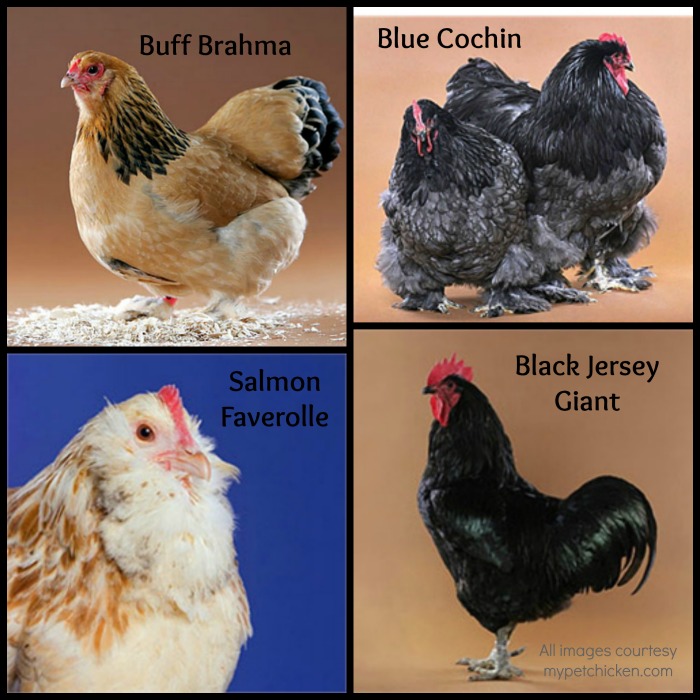
Breeds in this category: Cochin, Jersey Giant, Brahma, Faverolles

Profile: Move over, Big Bird. These are some rather large backyard chickens! Weighing in at 7 to 8 pounds, or more, they can easily be dual-purpose birds. It’s especially fun to get a rooster of one of these varieties; his sheer size will make him that much more impressive.

My thoughts: Bigger birds eat more, but they also lay bigger eggs, so it’s a nice trade-off.


Many thanks to mypetchicken.com for some of the breed profile photos!

Filed Under: Hobby Farming, Pets Tagged With: backyard chickens, best chicken breeds, best egg layers, best show birds, chicken breeds, choosing a chicken breed, easter egg chickens, poultry breeds, rainbow layers, raising backyard chickens

Can You Eat Duck Eggs?

February 23, 2013 by Anne Marie 11 Comments

Do people eat duck eggs for breakfast? Can you bake with them? Why yes! But how do they measure up to hen eggs? This post will answer all those questions.

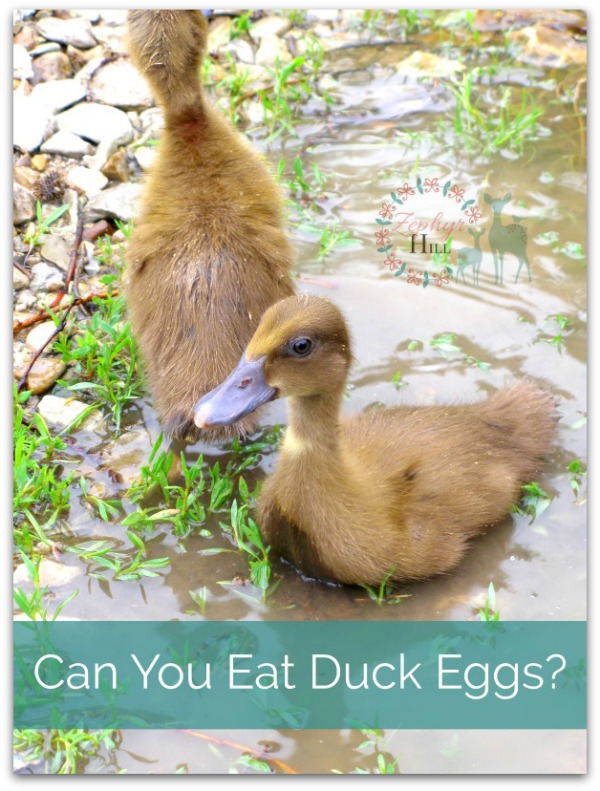
We have a few Khaki Campbell ducks here at Zephyr Hill and they lay a decent amount of eggs, although their output can’t rival the chickens. Soon after discovering our first duck eggs, we immediately wondered “Can you eat these things?”

It’s funny how the mind works against you, though. Even though duck eggs are nearly identical to chicken eggs in appearance, we were instinctively suspicious just because it was something new. “What if they taste bad?” seemed to be the unspoken question on everyone’s mind. Nobody sells duck eggs in grocery stores and there’s a reason for that, right?

To be fair, duck egg consumption is quite common in other places, especially Great Britain.

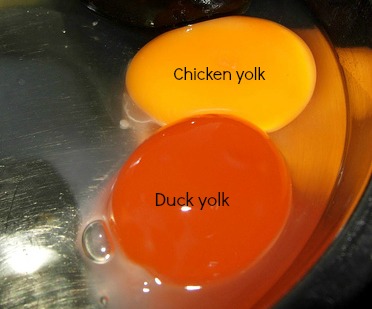
But luckily for us (and for this blog post), we’re curious types. So I scrambled up a few duck eggs for breakfast. The first noticeable difference jumped right out at me. Duck yolks are orange, not yellow, and tough to break. But with some elbow grease, I got them mixed up pretty well. After the yolks are broken, it’s smooth sailing.

So what is our verdict on scrambled duck eggs? The flavor is richer and stronger than chicken eggs, but it’s the same “type” of flavor. That’s the best way my husband and I can describe it. Both of us prefer chicken eggs, though, especially because we like omelets and don’t want the flavor of the egg to overwhelm the add-ons. The stronger taste of the duck eggs was just a little too much.

However, I’ve discovered that duck eggs are EXCELLENT for baking. Things like cookies, cakes and brownies turn out to be fluffier and more moist!

And that’s not all:

  • They have a longer shelf life and are harder to break (in this family, that’s a good thing) because the shells are thicker.
  • They have more albumen (which means more protein) in the white. This explains why they give you more “loft” in baked goods. It also means you have to be careful about overcooking them when pan frying or boiling.
  • Some people who are sensitive or allergic to chicken eggs can actually tolerate duck eggs.

So there you have it! If I missed something, please leave me a blog comment below.


Egg yolk image courtesy: Malaysiabest.net


Filed Under: Hobby Farming, Pets Tagged With: baking with duck eggs, can you eat duck eggs, cooking with duck eggs, difference between duck and chicken eggs, duck eggs vs chicken eggs, how do duck eggs taste

Backyard Chickens Gone Wild

August 28, 2012 by Anne Marie 12 Comments

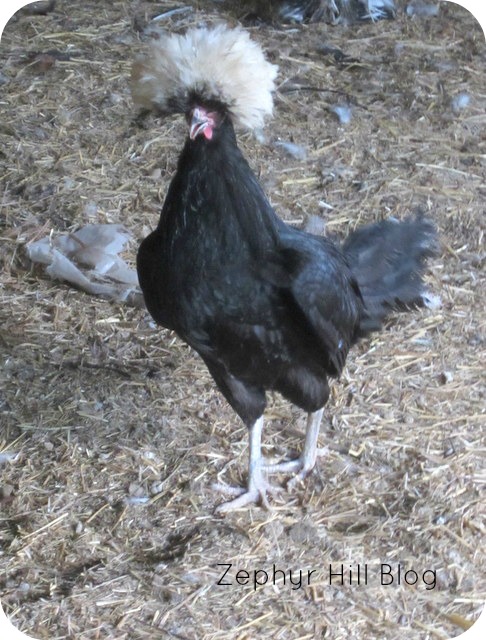
A friend just dropped off a few Polish Crested hens at our farm the other day. Once you see a face like this, you never forget it! They suffer a bit for their beauty, though, because the colorful crest that adorns its head can limit its vision, resulting in an easily frightened little bird. If you are adding this variety to an existing flock, don’t be surprised if they are dominated by your other birds.

Historical records from the 1600’s trace the Polish Crested to the Netherlands; you can even spot them in old painting sometimes.

The color variety is pretty stunning; my favorite is our “tuxedo chicken,” which features black and white feathering from head to tail.

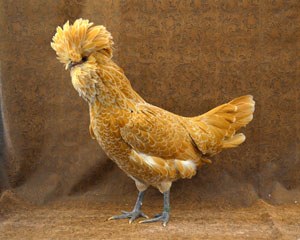
How about solid gold?

Our other animals were not really that impressed. Just another day, just another chicken. Big deal.

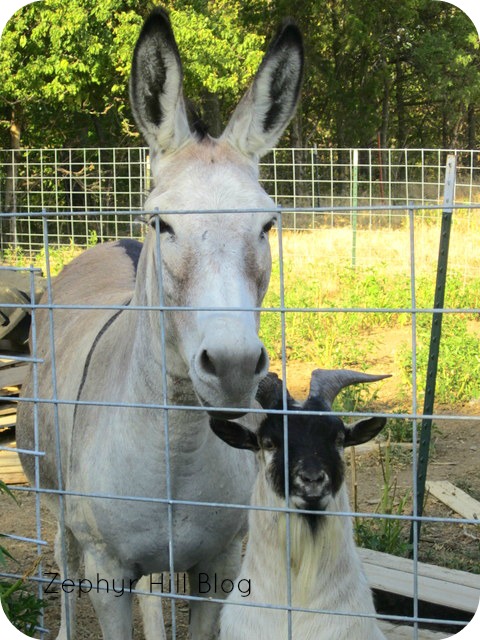
Ruby, our Sicilian donkey, and Destro our buck are more interested right now in Sweetpea, who is supposed to be going into labor soon and “kidding.” A donkey can be a great addition to your farm, providing companionship and protection to smaller animals, and keeping down weeds in the pasture.

Filed Under: Hobby Farming, Pets Tagged With: backyard birds, backyard chickens, donkeys, polish crested chicken, rare chickens

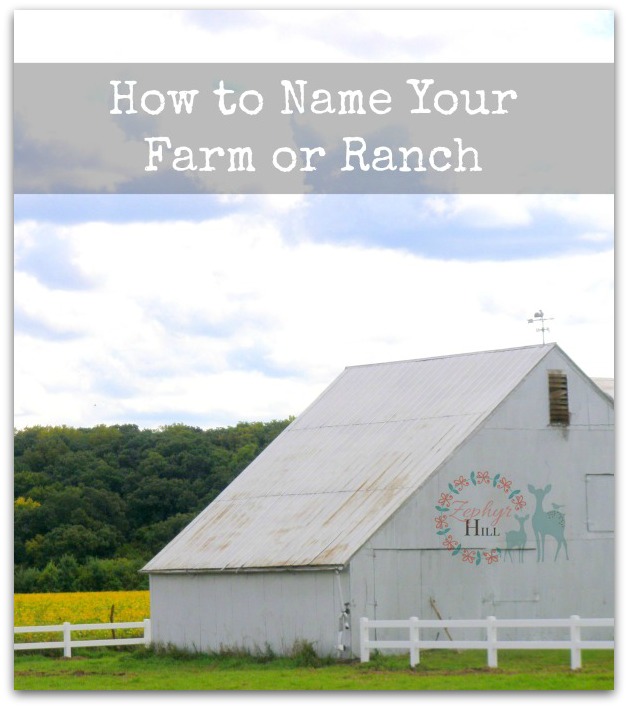
How to Name Your Farm or Ranch: 200+ Ideas!

July 6, 2009 by Anne Marie 498 Comments

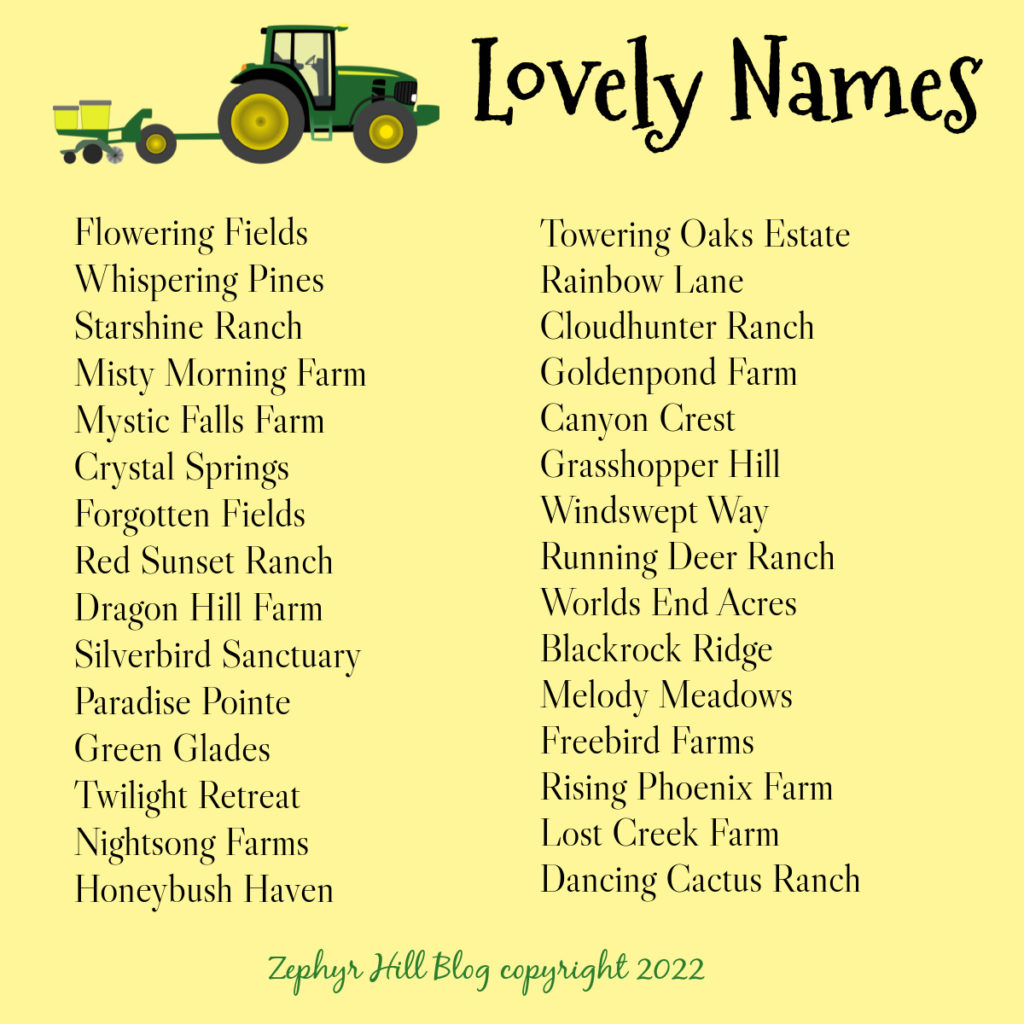
We bought a lovely little farm on five acres years ago and wanted to find a suitable name for it. But after coming up empty with internet searches, I resorted to my own independent research and inspiration. Zephyr Hill Farm was born.

Life and literature are filled with delightful names: Green Gables….Sunnybrook Farm…..Ponderosa Ranch…..Misselthwaite Manor…..

If they can do it, so can you! But don’t expect inspiration to come in an instant. Allow plenty of time for your imagination to flow freely. I wrote this blog post to help get your creative juices flowing, and I hope you’ll find my ideas are helpful. Let’s get started!

What’s Your Story, Morning Glory?
Many houses, farms and tracts of land have an interesting story or folklore attached to them, and this can be helpful in choosing a name. When we moved into our house we quickly learned that locals referred to it as “The Zeferjahn Place” after a family that occupied the farm for many years. In fact, the hill on which the house stands was often called Zeferjahn Hill or Zefer Hill for short. This led us to choose “Zephyr Hill Farm” for our homestead. It is reminiscent of the old family name, but also references the windy conditions here on the Kansas prairie.

Google farm names and you’ll find all kinds of interesting histories. “Barred Feather Farm” in North Carolina is affectionately named for the Barred Rock chickens owned by the family grandparents. If your family has a unique or aesthetically pleasing surname it might be all you need.

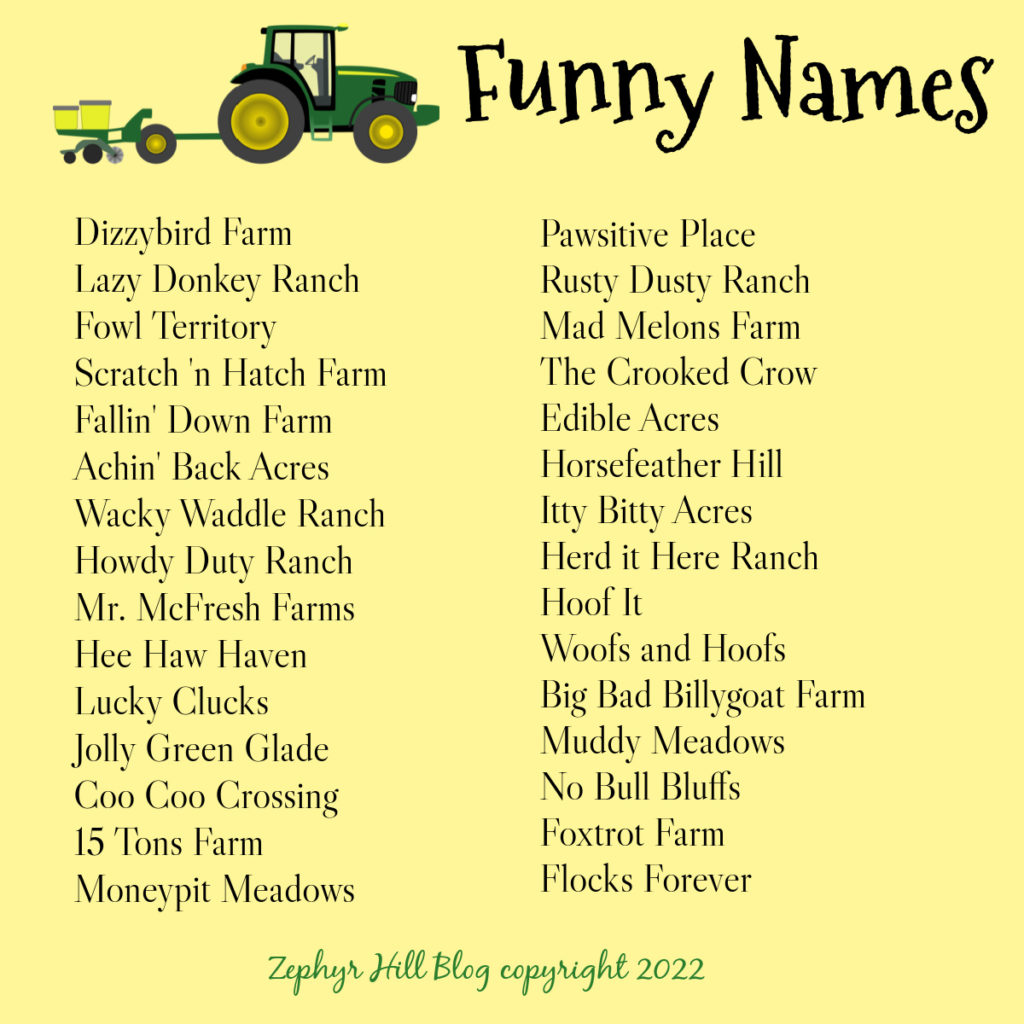
Funny Farm

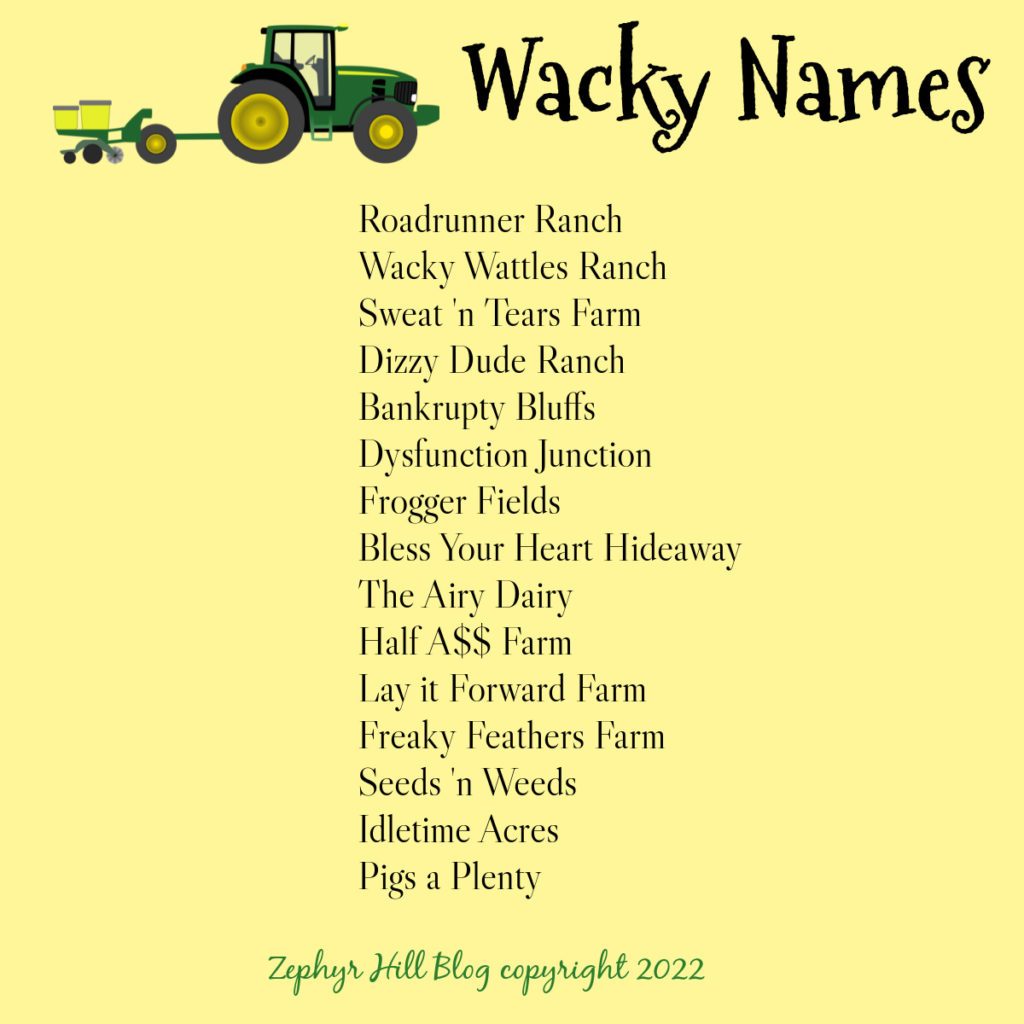
I love a good laugh and so will the visitors to your place. Funny names are unforgettable. “If It Flies Farm” in Northeast Ohio is a great example. They specialize in wild birds, chickens and bees and the name encompasses them all. Capitalizing on a common but very funny nickname for the incredible edible egg, “Cackleberry Corner” in Southwest Washington is a fitting tribute. For those who know the rigors of farm life, “Ache-N-Back Acres” of Wilburton, Oklahoma just about says it all. Whoever named “Belly Acres” in New Jersey might have had a rough start on their farm. In Midland, Michigan a place called “Fallingdown Farm” needs no further explanation. And with a name like “Insta-Gator Ranch,” the owners of a working alligator farm in Louisiana never fail to get a laugh. One of my personal favorites is a paint and pinto ranch in Michigan owned by a black man with a stellar sense of humor. He calls his place “Forty Acres and a Fool!”

Look at the Landscape
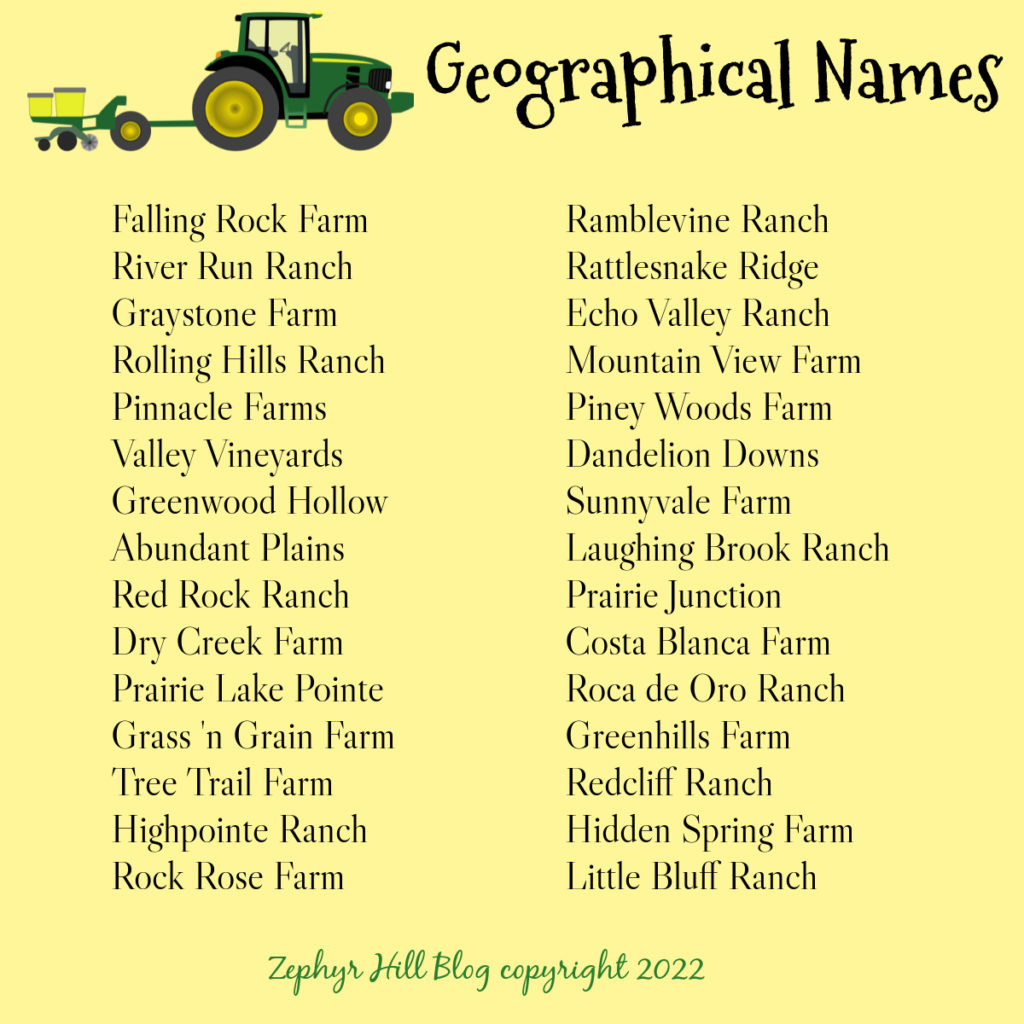
Do you live on a hill? Does a brook, river or creek run through your land? Are you surrounded by meadows or mountains? Geographical markers are a good starting point for farm and ranch names. All you have to do is pick a good descriptor to go along with it. Famous author and pioneer Laura Ingalls Wilder named the homestead that she and Almanzo built “Rocky Ridge Farm.” It was an apt description for the stubbly Ozark landscape that served as a backdrop for their home.

You have more options for the ending part of the name, too, when considering geographical features. For instance, instead of using the word “farm” or “ranch” try something like “hills” or “cliffs” or “ridge.”

Some examples:

  • Red Rock Ridge or Red Rock Valley
  • Dandelion Dale or Dandelion Downs
  • Dancing Goat Hills or Dancing Goat Hollow

Make it a Memorial
Your farm or ranch name can serve as a memorial to remember or honor a family member, a veteran, a friend, a favorite saint or even a pet. One family dubbed their place “Red Dog Ranch” to honor a pet named Big Red who had served them faithfully for years and was a fixture at the place. “Molly’s Orchard” was named for the family cat who for 15 years kept the rodent population down amongst the growing fruit trees. It’s also a popular custom to include family initials (J&R Hatchery) or your children’s nicknames (Little Bess Ranch) in the title. Some go with the name of the sire or dam that started their herd or the champion that was decorated with blue ribbons.  Some folks even let their children pick a name. One little boy in Wyoming suggested such a great name for the family ranch that his parents couldn’t resisting picking “The Cactus Patch.”

Release Your Inner Poet
Sometimes only a beautiful name will do for those souls who want to nurture their lyrical side. A lovely name is not only music to the ears, but it captures the imagination and looks great on marketing materials. Nightshade Farms in Saint Cloud, Florida evokes a restful mood and Mystic Meadows Daylily Farm in South Wales, New York is both lyrical and magical. A name like Whispering Willow Acres using alliteration to delight the ear.

What’s Your Passion?
If you’re crazy about cows, make this the highlight of your name. If you’re crazy for coonhounds, let them be the star of the show. Living near the Golden Gate Bridge and raising horses at the same time inspired the clever name Golden Gait Farm in Marin, California. Some names can be beautiful in their simplicity like Dragonfly Farm in San Diego, where the owners hatch out the bugs in their pond. Hee Haw Haven is, you guessed it, a bustling donkey ranch.

Get a Little Bit Crazy
Break out of the traditional naming process and do something daring and imaginative. Is there a phrase that captures the feel or look of your place? Almost Urban Acres in Carrollton, Georgia is whimsical and yet modern, perfect for a place just outside the city limits. In Central Massachusetts, one family chose to name their spread Crazy Zoo Farm because that’s exactly what it is! After “piecing” their farm together by joining fields together from two families, another family took the quilting analogy to a new level and named their place Patchwork Farm.

A Touch of Class
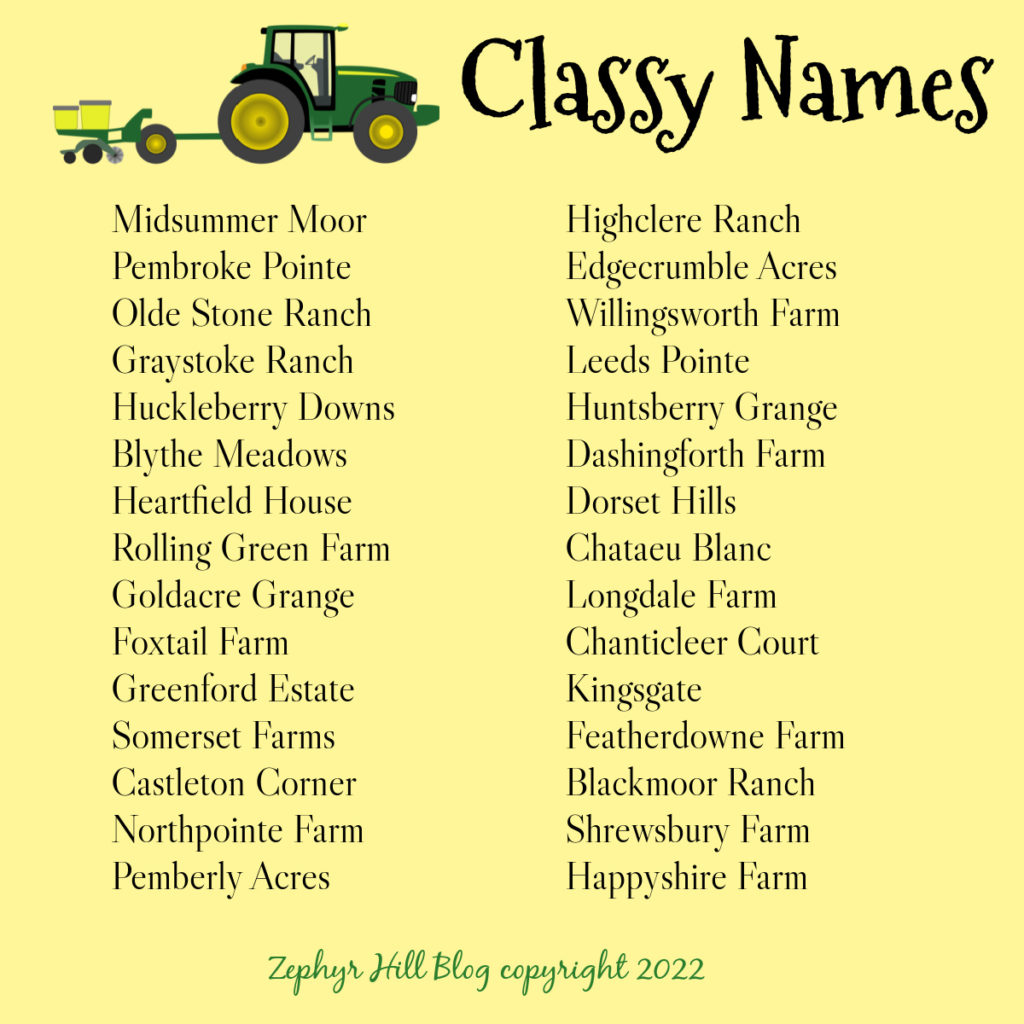
Would you like your farm or ranch to have a name of distinction that evokes old-world charm? Consider a name like Thistleberry Downs or Wellbourne Ranch. British history and fiction abound with lovely names that inspire titles like Tudor Rose Farm or Wind in the Willows. For those who wish to meld wit with “ye old worlde” how about something like “Worthewait Farm?” Travel guides for England and Ireland might give you an idea for a name with historic depth. Are you a fantasy fan? Try browsing through some of your favorite novels or movie guides for unique monikers.

Be a Copycat
When all else fails, you can always recycle a favorite name from the movies, TV, literature or real-life. To offset the face that you’re borrowing someone else’s idea, you can pick something that’s obscure or less well known. For instance, we’ve all heard of Green Gables, but you might skim through the L.M. Montgomery novels for other farm and house names featured in the books. For her stories, Montgomery created other lovely locales like “White Sands” and “Windy Poplars” and “New Moon Farm.” Jane Austen’s famous novels are full of beautiful names like “Oakham Mount” and “Rosings Park.” While everyone has certainly heard of Pride and Prejudice, most people are unaware that the poetic-sounding “Pemberly” was the home of the impeccable Mr. Darcy and that “Gretna Green” is located just over the Scottish border and was the place to flee for a quick marriage with no questions asked.

If you are a TV or movie fan, especially of the Western or historical genres, you’ll find hundreds (if not thousands) of useful names to mine for copying. And some “movie ranches” actually exist. Skywalker Ranch a George Lucas property, is both a filmmaker’s retreat and a working sound studio for motion pictures. A place called “Deepdale Farm” was featured in a James Bond movie. And Highclere (Castle) is the real-life locale for the hit series Downton Abbey.

And if you have traveled to a far-off locale that’s dear to you but unfamiliar to those back home, borrow that name. It could be anything from the name of a castle in France to a sheep ranch in Australia. If the name sounds good to you, and has personal meaning, it just might be perfect. Plus, you’ll have a story to go along with it.

Remember Your Roots
Ethnic names are not only unique, but they serve to honor your heritage. Arcobaleno Acres in Connecticut uses the Italian word for rainbow and was proudly chosen by its Italian owners. In Cowtown, Texas, a farm called “Poulets De Cajun” was named for the family’s French Cajun ancestry. The phrase translates to “Cajun Chickens.”

Remember Your Maker
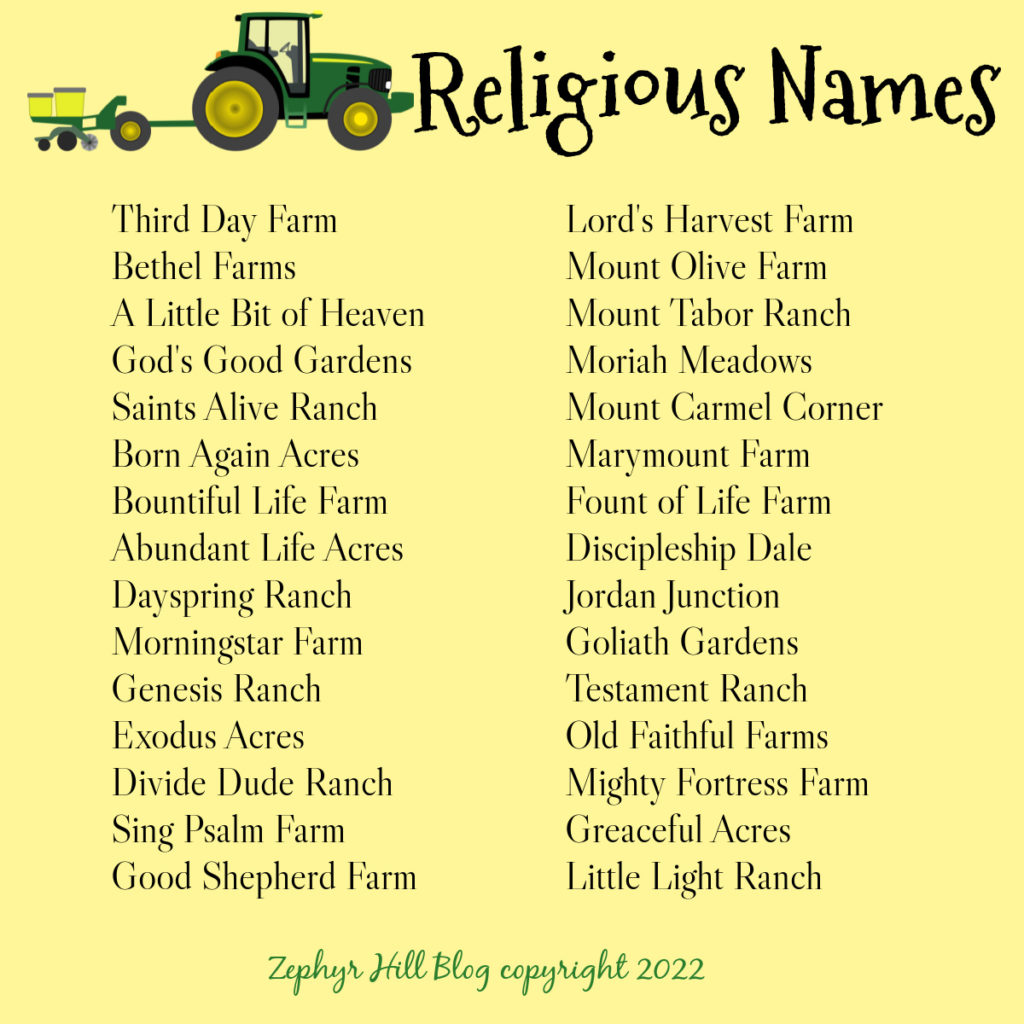
Wishing to acknowledge the blessings of Heaven, many farmers and ranchers incorporate spiritual themes in their names. The Bible is filled with inspiration for possible farm names. Third Day Farm on the Outer Cape has a double meaning – it recalls the biblical third day of creation, when God brought forth plants and seeds, and also commemorates the “third day” when Christ rose from the tomb. Bethel Farms in Woodville, Mississippi was named so because the owners felt “the Lord had led them there.” One farm wife affectionately named their place “A Little Bit of Heaven” although her husband argued that quite often it gave them “A Whole Lot of Hell!”

More Helpful Naming Tips:

  • Consider the marketing potential of your name if your farm or ranch is also a business or money-making opportunity. Is it easy for customers to say? Does it look good on a sign? Does it have positive connotations?
  • If using an ethnic name, chose words that are short and easy to pronounce and spell.
  • Put your name ideas in quotation marks and Google them to see if anyone else has already used the name. If you are planning to have a website, search to see if yours is available, or come up with alternate choices. For instance, if you are dead set on naming your place Shady Lane Farm but www.shadylanefarm.com is already taken, try www.shadylanefarmonline.com or www.theshadylanefarm.com. You can also try using “.net” or “.biz” at the end for more options.
  • Don’t limit yourself with a name. You might currently raise chickens, but if you are planning to sell honey in the next few years a name like “Red Rooster Farm” probably won’t fit anymore. Likewise, if you already have a lot going on, pick a broad name that suits your entire operation. Something like “Feathered Friends Farm” would work if you are raising different types of birds. “Fairfield Acres” could describe a farm that is producing both livestock and crops.
  • Once you decide on your favorite name (or names) say it over and over again. Use it for a couple of days and see how you like it. Ask for feedback from your family and friends.
  • When choosing a funny name, make sure it doesn’t need a lot of explaining before people get the joke. Short and sweet is best, and make your meaning clear. As soon as someone hears the name, you should be rewarded with a knowing smile, or even better – a hearty laugh.
  • Have fun and don’t let the naming process worry you or be a cause of stress. Many people find that it takes time to pick the right name, and they sometimes find inspiration in the most unlikely places. That’s probably what happened to Dan & Sheree Smart as they were dealing with a yet another stubborn donkey on their mule farm in Wyoming. For them, the perfect name just happened to be “Smart Ass Ranch.”

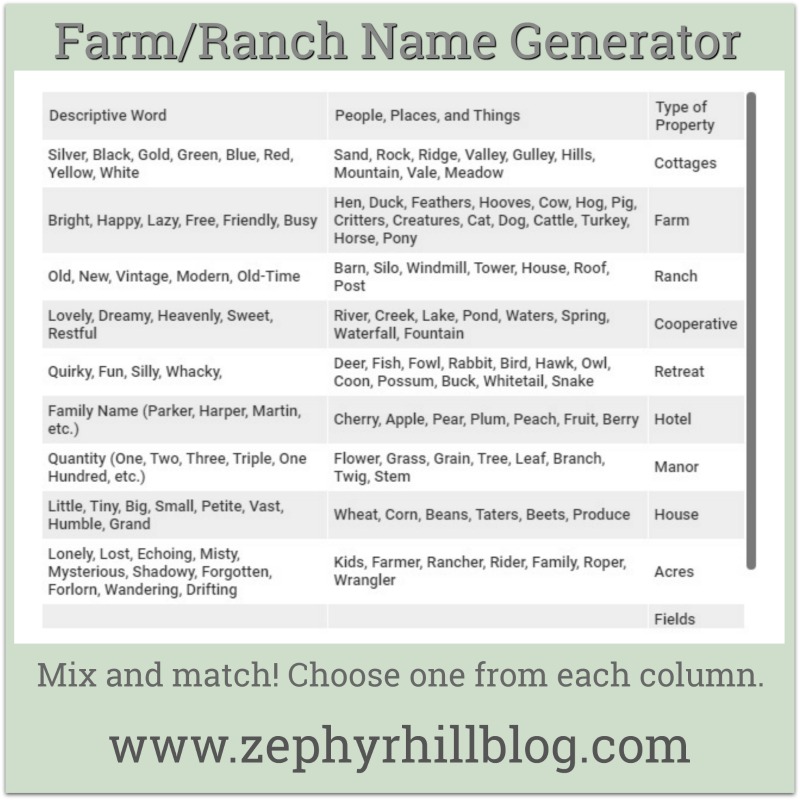
Try My Naming Chart for Practice in Putting Words Together

The first column contains adjectives, the second nouns and the third words that describe types of property. Choose 1 from each, or just use 2 columns, to create potential names. Substitute your own words to make it more personal.

Examples: Silver Sand Retreat, Old Post Ranch, Mysterious Meadows, Triple Leaf Co-Op, Sweet Apple Acres, Parker’s Pond

Other types of properties: Sanctuary, Hideout, Hideaway, Haven, Lodge, Home, Camp

In Conclusion

I LOVE to read your comments, but because of time constraints, I am no longer able to offer free name suggestions. My readers might have some good ideas to get you started, though! Feel free to leave a comment below and you might get some suggestions from other people.

Filed Under: Hobby Farming, Names, Small Business Resources Tagged With: cool farm names, cool ranch names, farm name, farm name ideas, farm name suggestions, how to name your business, how to name your farm, how to name your ranch, name your farm, need help naming my farm, need help naming my ranch, ranch names

  • « Previous Page
  • 1
  • 2

SOCIAL MEDIA

Newly Published

  • The Coop Upgrade Nobody Talks About Until It’s Too Late
  • Ignore the Radio Ads About Life Insurance, But Please Read This Post
  • Do Catholic Parents Have to Choose a Saint Name for Their Baby?
  • The BEST and Most Comprehensive Baby Name Books for Parents
  • Educational Games to Enjoy With Your Children

Popular Posts

  • Tiny Love Bouncer Review
  • Sweet Pea AI3 One-Size Diaper Review & Giveaway
  • 6 Common Homeschooling Mistakes to Avoid
  • Sweet Pea Bamboo AIO and Pail Liner Review & Giveaway
  • How to Study (and Teach) at Home With Less Distraction

Copyright © 2026 · Zephyr Hill Blog · Design by Albemarle PR

Copyright © 2026 · Albemarle PR - Hannah Template on Genesis Framework · WordPress · Log in