Zephyr Hill

A Family Blog

Header Menu

  • Home
  • Contact Me
  • Terms / Privacy
  • Homeschooling
  • Faith and Family
  • Book Reviews
  • Cloth Diapers
  • Pets

How To Start Cloth Diapering for As Low As $20

February 24, 2019 by Anne Marie 3 Comments

This post contains affiliate links.

Feel like you can’t afford to start using cloth diapers? Yes, you’ll save money in the long run, but do you balk at the up front cost? The average, no-frills starter collection may seem really daunting, even at just $100 or $200.

So I’ve gathered together some ideas from around the web, and from personal experience. Here three REALLY cheap ways to get started with cloth. Making these work will involve delayed gratification, so patience is key. You won’t find organic cottons or silky bamboo in these budget stashes!

These starter diapers are designed to get you through about 2 days, depending on the age/size of your baby.

The $20 Plan

COVERS: Use scraps of fleece, a large fleece blanket or yardage to make no-sew diaper covers. All you need is a pair of scissors. Here’s my tutorial with photos. You can make your own pattern by simply tracing over a diaper laid out completely flat, making your pattern a little bigger to allow for coverage. Your no-sew covers can be tied closed. If you don’t have any fleece or wool to repurpose, it can be bought by the yard at Wal-Mart for just $2.97. One yard measures 36×60 inches and that yields about 3 covers. Tip: roll in the sides of your fleece wrap for better poo containment. Double up covers for naps.
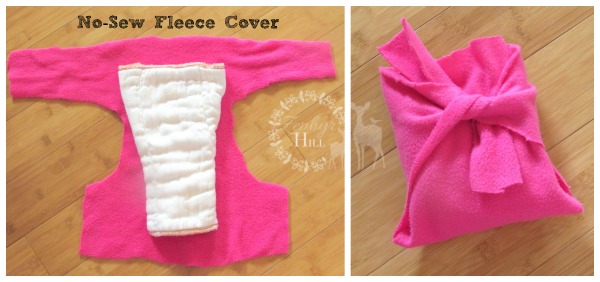
DIAPERS: Purchase flour sack towels (large, flat foldable squares of cotton) at Wal-Mart for $1 each. You can get 18 for $18 or less. Go even cheaper by using old t-shirts and receiving blankets (stuff you have on hand, or grab at yard sales for 25 to 50 cents). Even old cotton towels can serve as emergency diapers.
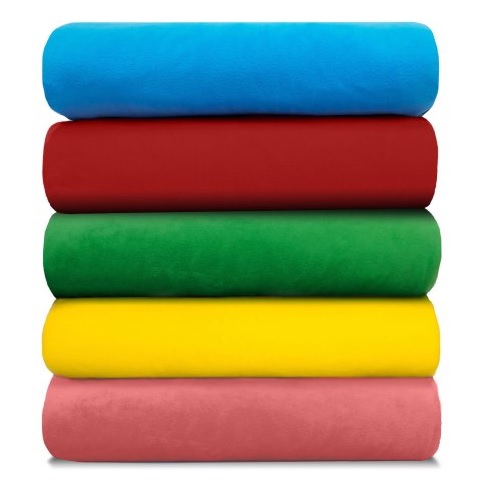
fleece

The $40 Plan

COVERS: Buy 4 Nicki’s brand pull-on diaper covers from Nicki’s (aff). Shipping is free.


DIAPERS: As above, use old t-shirts, towels or receiving blankets (free or 25 cents and up).

FASTENER:  Purchase a 3-pack of Snappi fasteners ($9.95) from Nicki’s.
The $50 Plan

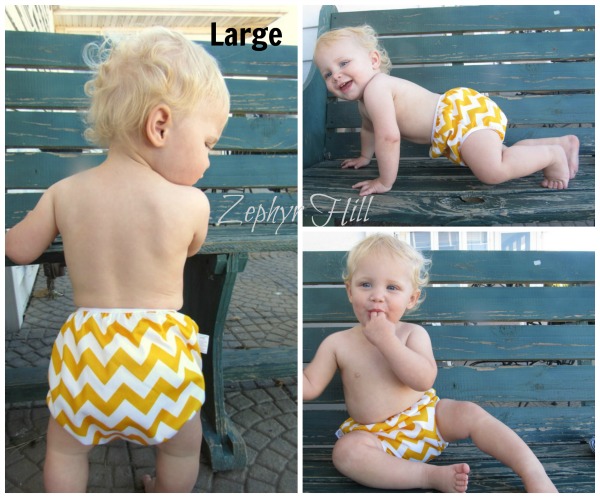
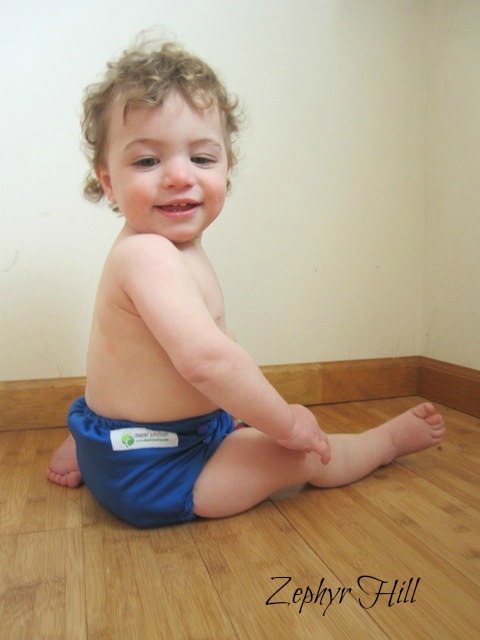
COVERS: Buy 4 Nicki’s brand pull-on diaper covers from Nicki’s (aff) for $27.80. Shipping is free. OR, buy 4 Diaper Junction brand basic one-size covers for $31.80.

DIAPERS: Purchase flour sack towels (large foldable squares of cotton) at Wal-Mart for $1 each. You can get 18 for roughly $18 or less.

FASTENER: Purchase a Snappi ($3.95) or Boingo ($5.50) fastener. If you buy the Diaper Junction cover, you can “pad fold” your diapers and skip buying a fastener.

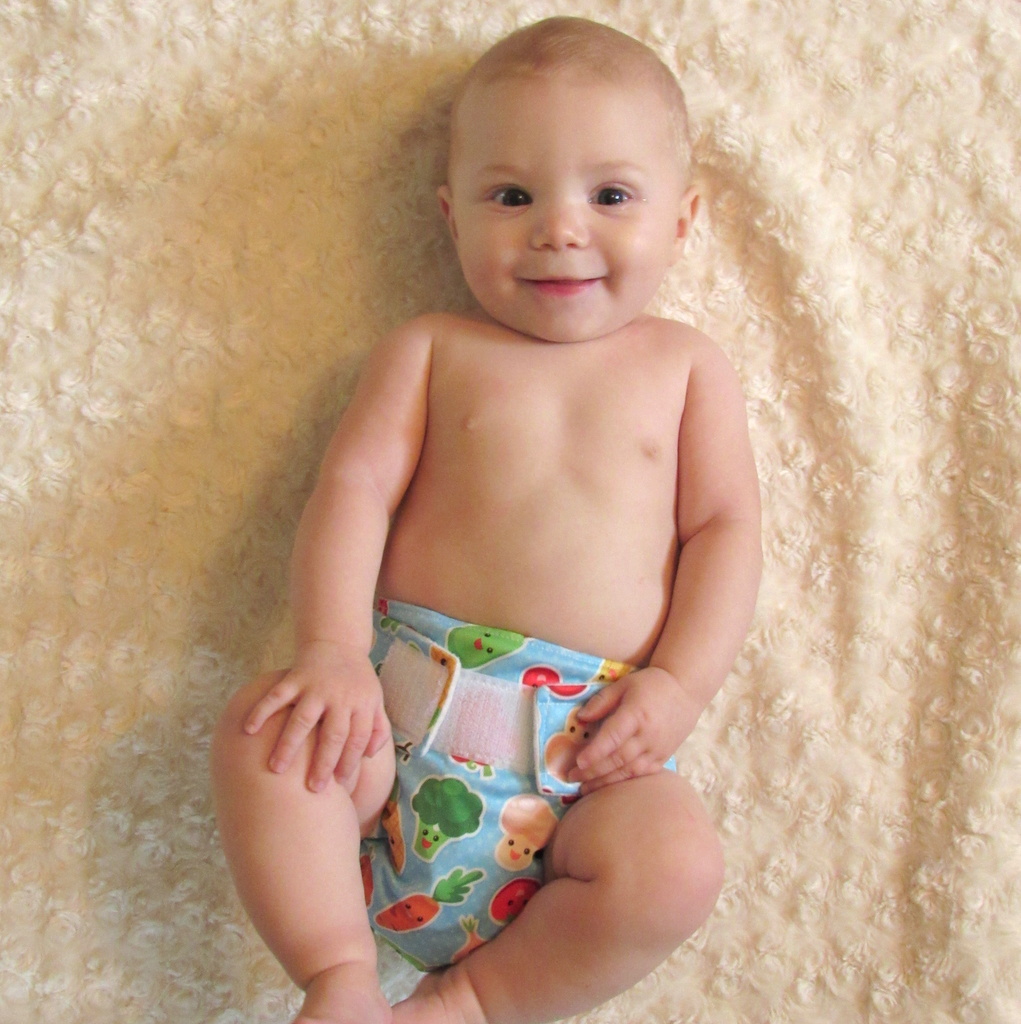
Erik in a Diaper Junction one-size cover:
The “I Don’t Have $20 Plan”

If you are truly counting every penny and even $20 is pushing it, there’s still hope! Buy just 2 waterproof pull-on Nicki’s brand covers. Shipping is free and it will cost about $13.90. For your diapers, use whatever free and absorbent items you can get your hands on. That includes old towels and faded/stained t-shirts, receiving blankets, worn sheets, etc. If you don’t have any, or can’t spare any money at yard sales, post your need on Facebook and Craigslist and I can almost 100% guarantee that you will have people willing to give you some old blankets and t-shirts for free. Your last step will be purchasing some of those old-school diaper pins at Wal-mart or the dollar store (probably a buck or two).

With these two diaper covers, you can cloth diaper for 1 day, and wash the next. See how it goes. And if you like the money you’re saving, start working on building up a better stash (PUL covers, prefolds, flats, etc.).

The “I Have No Money” Plan

If you’ve read this far and are thinking “I can’t even spend $13!” then check out these freebies:

1. My free diaper resource page shows you how to find cloth diapers at zero or little cost to you.
2. These diaper charities give or loan packages at little or no cost to you.
3. Add cloth diapers to your registry during pregnancy. Nothing fancy, just the basics (covers, prefolds, etc.). All styles can be found at Wal-Mart and Amazon.
4. Please enter my giveaways, and come back for the daily entries. If you are expecting, please sign up for my monthly drawing.

What About Folding?

All my budget plans include flats or things you need to fold. Here’s how to pad fold a flat (square) diaper for a newborn, and for an older baby. You can pad fold anything (t-shirts, blankets, towels, diapers, etc.)

If you have some SUPER CHEAP cloth diapering tips, please share them here!
 

Filed Under: Cloth Diapers Tagged With: budget cloth diapers, cheap diaper stashes, cloth diapering, cloth diapering on a budget, save on cloth diapers

How to Save Money on Cloth Training Pants

February 7, 2019 by Anne Marie 27 Comments

Families who’ve saved a lot of money on cloth diapers may face some sticker shock when it comes to buying reusable trainers. Some are $20 or even $30 apiece. But opting for disposable pull-ups takes an even bigger toll on your wallet. Even the generic trainers from Wal-Mart cost $6.00 each and might last a week or so. Spend that week after week, and it could add up to $300 or more over the course of a year (if your toddler doesn’t train right away). And they all go in the trash. Nothing to re-use, nothing you can re-sell.

So if you really DO want to keep using cloth, and keep saving money, here are a couple of tricks for the potty training phase.

Make Them Yourself

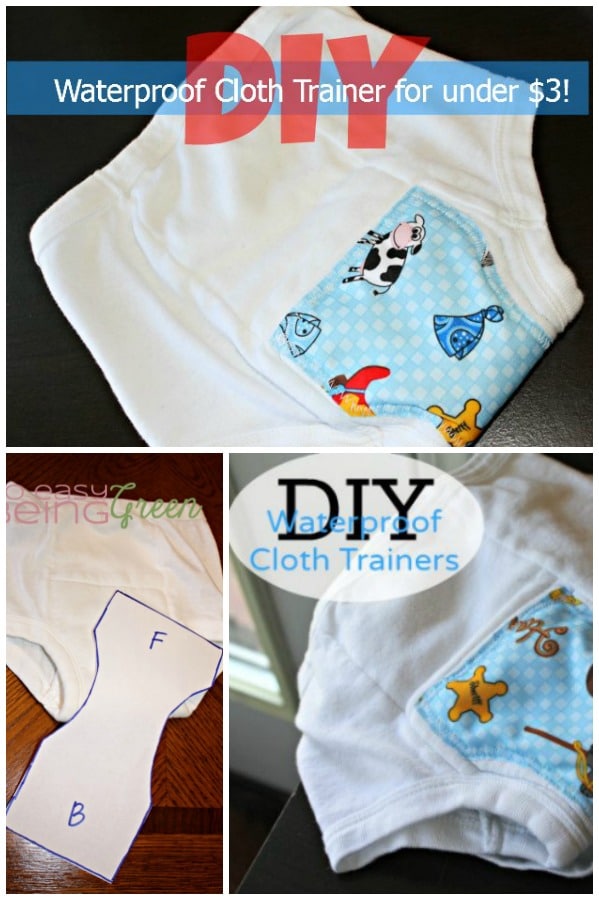
But don’t worry because this tutorial is simple; you just need to add a little absorbency to a pack of storebought Gerber trainers. Cut out a pad and attach it with a few simple stitches. Lindsey at So Easy Being Green calculates the final cost for her DIY trainer to be just $2.91.

Don’t Spend a Fortune on New

I’ve tried all these brands that are about $15 or less. Most you can get with free shipping.

  • Imagine Trainers snap open on one side and offer several layers of cotton plus a PUL panel for light absorbency. Normally $12.95, they are BUY 1 GET 1 FREE right now at Nicki’s!
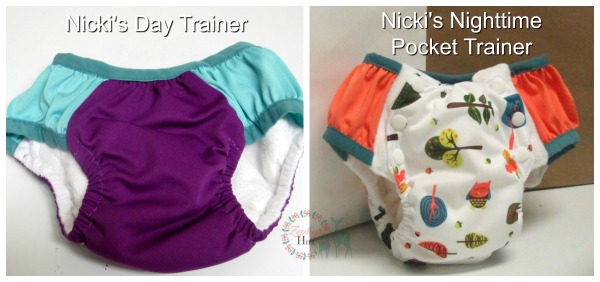
  • Nicki’s Day Trainers are pull-up style with stretchy elastic sides and a low-rise fit. Lined with cotton flannel and waterproof on the outside, they are just $10 each with free shipping.
  • Nicki’s Night Trainers contain four layers of a bamboo, a comfy stay dry fleece lining and a waterproof outer. You also get a bonus, foldable bamboo insert. All of this for just $14.00!
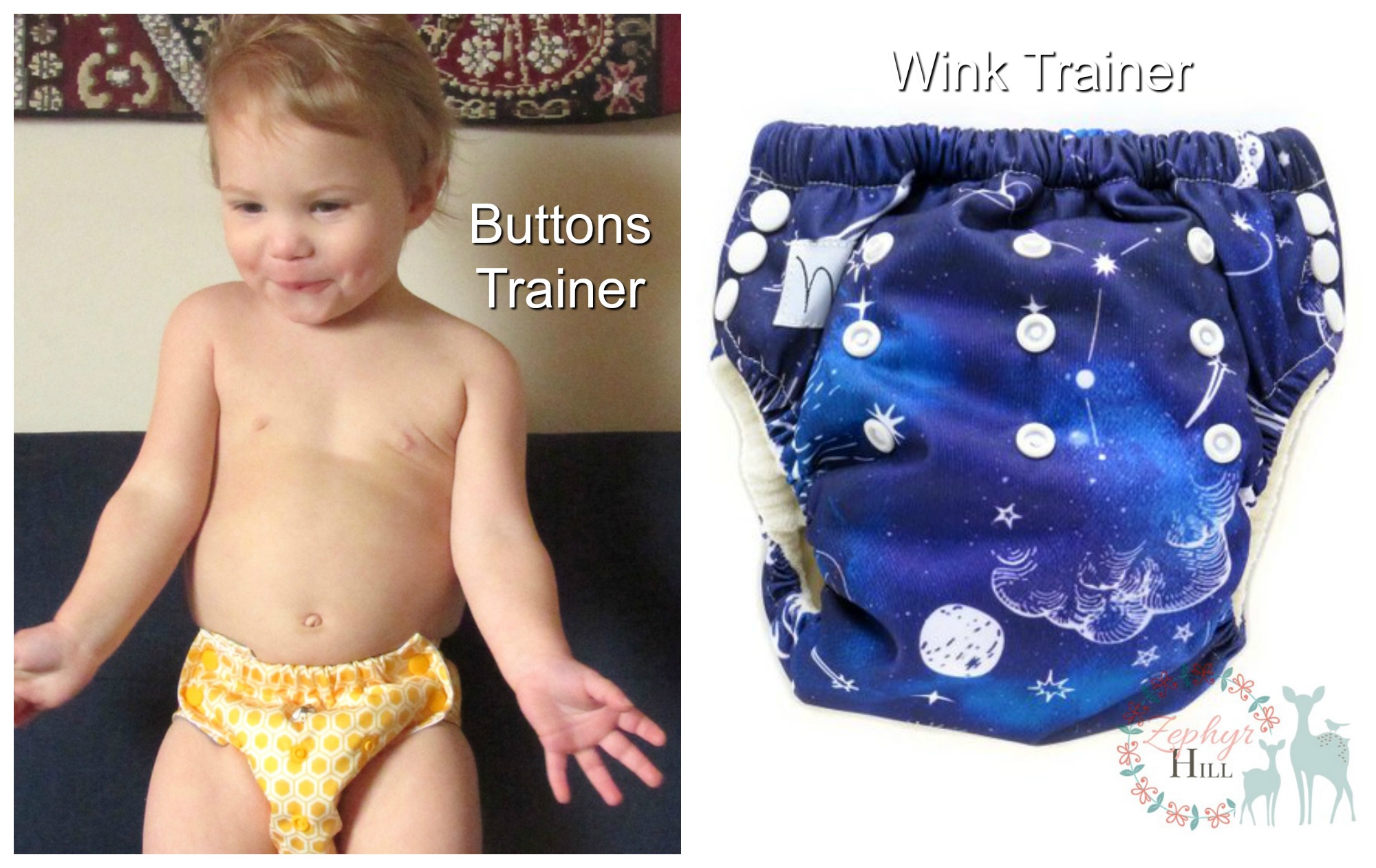
  • Wink Organic Bamboo Trainers snap open at both sides and have 3 layers of bamboo terry and microfiber inside. Lots of unique and beautiful prints and colors, too! Just $15.99 at Wink Diapers (use my code ZEPHYR20 for 20% off your order).
  • Buttons Trainers are new to the market are great for small toddlers and new learners. There are 3 layers of bamboo/cotton sewn in; you can also purchase additional cotton boosters that fit perfectly inside the pocket. $15.00 at Buttons Diapers.

Use Side-Snapping Diapers

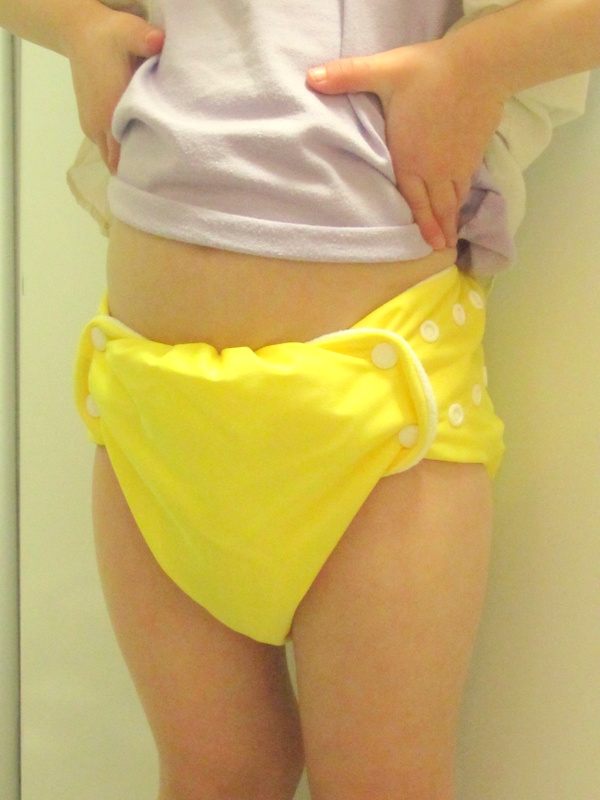
Side-snapping diapers work well as trainers because they look more like big kid pants. The side closure makes cleaning up accidents so easy, compared to standard trainers that leave an awful mess on your child’s legs as you pull them down.

  • Knickernappies Custom Pockets go up to size large (35 pounds, photo below) and can double as trainers. They have been discontinued but I can sometimes find them on Ebay.
  • GroVia All-in-One diapers are very trim and can double as trainers later on, so they are a great investment. They are available new with free shipping at Nicki’s. You can also buy directly from GroVia, and they usually have a 20% off sale every Black Friday.
  • Blueberry Simplex diapers can be found used on Ebay or Facebook buy/sell/trade groups. Like GroVia, they are a great investment that can possibly double as trainers for your baby later on.

Buy Ahead and Buy Slowly

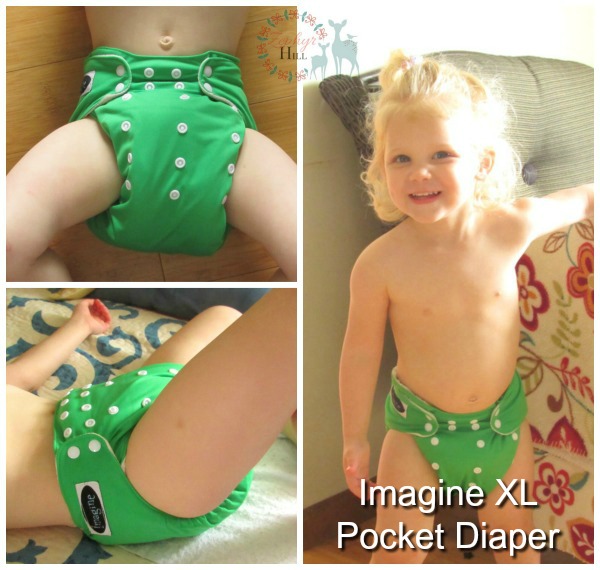
You can make an investment into cloth trainers over time to spread the cost out. Start before your baby is learning so you’ll be ready. Consider selling some of the diapers you don’t use or don’t like to fund a few trainers. I invested in some Imagine XL pocket diapers one at a time because I knew Ingrid was not going to nail night trainer for a long time. They are $17 each (with free shipping at Nicki’s), and I now have 4 pairs that I rotate between washings, and they’ve totally paid for themselves. When I think of the money I would have thrown away on overnight pull-ups, I’m so happy about my decision!

Do you have any tips for saving money on cloth training pants?


Filed Under: Cloth Diapers Tagged With: cheap trainers, cloth diapers, cloth trainers, training pants review

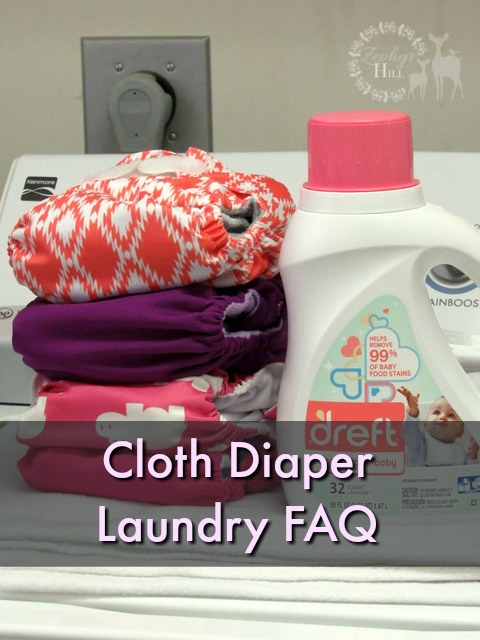
Cloth Diaper Laundry FAQ

September 25, 2018 by Anne Marie 21 Comments

Got questions about cloth diaper laundry? Here are some answers based on my experiences over the past 9 years, and I hope they will be helpful if you’re confused or troubleshooting a particular problem.

Just looking for a basic wash routine? Click here.

How do I prep different types of diapers?

For cotton and hemp, allow two or three washes before first use. The diaper or insert will increase in absorbency after subsequent washes. Organic and unbleached cotton are the exception and may require many more washes. You do NOT have to dry your diapers after every preparatory wash. Drying doesn’t do anything to help prep the fibers, so save energy (and time) by eliminating the multiple dryer cycles. You can also conserve by prepping your diapers along with a load of soiled towels or linens.

Bamboo is a processed rayon fabric and can be used after just one wash. Bamboo blends (with cotton) may require one or two more.

Microfiber, microfleece and suedecloth technically need no prepping at all. Some families wash once to remove any “residue” they worry might be lingering from the factory.

You can find full details on prepping here.

How should I store dirty diapers?

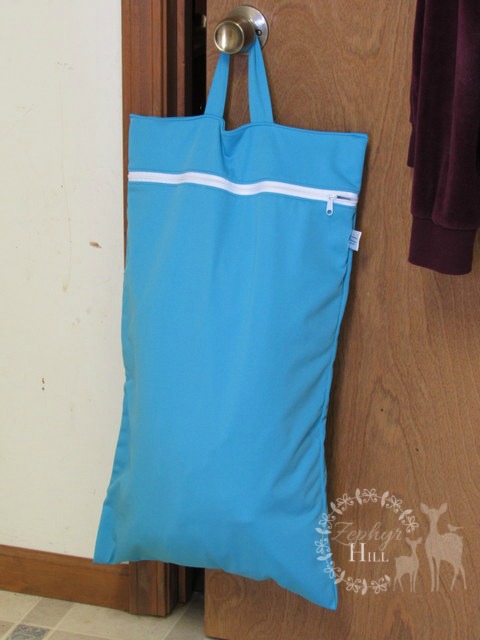
There are many options available to you, so just do whatever works best in your home. Hanging wet bags are completely waterproof, zip shut, and are designed to hang from a sturdy hook or knob. Pail liners have elasticized edges and fit inside traditional diapers pails and some plastic garbage cans. You can choose to use a lid or not. To save money, some families skip the bags and liners altogether and just use a pail or plastic container. The drawback is you have to clean and sanitize it by hand, whereas a wet bag or pail liner can be washed along with your diapers.

You might be worried about diaper odor. Leaving the diaper pail or bag open is actually the best way to cut down on this because air can circulate. However, with toddlers and pets in the house, this is not always a practical option. Spraying your diapers thoroughly before putting in the pail will also help cut down on odors.

Pictured below: Diaper Rite hanging wet bag

What is a pre-wash and is it needed?

Many families like to do what’s more properly called a “pre-rinse” before actually starting the main, heavy duty wash cycle with detergent. This water-only cycle helps ensure that you aren’t starting the cleaning process in a big poo bath. Check your machine and see what settings are available. On some you can choose rinse only. For models without this setting, choose the quickest wash possible, but don’t add detergent. Why? Because you’d be rinsing your diapers in detergent and poo water, which is a waste of detergent. A rinse is just that – a preparation for deep cleaning.

I’ll give you an example to illustrate this better. When I make homemade grape jelly, I strain the juice through a flour sack towel. When I’m done it’s naturally a deep purple color. I don’t want to just throw that in the wash or it’s going to stain the other fabrics. So I rinse thoroughly in plain water and wring it out before laundering. Now the detergent is ready to do its job, and my wash water is not purple!

So yes, it can be helpful to rinse heavily soiled diapers in plain water first to release most of the poo, and THEN start the main wash with detergent and much cleaner/clearer water.

Should I add extra rinses to my routine?

Your washer already rinses the load at the end of a cycle and that may be all you need. Detergent is already formulated to rinse clean. I see recommendations all the time for one or even two extra rinses after washing cloth diapers, but not everyone’s water and machines are the same.

Don’t add another rinse “just because.” And don’t add a rinse thinking that this alone will solve a stinky diaper problem (the solution is to clean them better!).

Not only can extra rinses waste needless water, but with nearly 80% of Americans having hard water (i.e. high mineral content), additional rinsing can do more harm than good. As I will stress later on, never do anything without a good and logical reason for it.

What is the best detergent for cloth diapers?

There isn’t one. Wish it was that simple! But there’s no one-size-fits-all approach when it comes to which detergent you’ll choose. There are mothers who are 100% happy with their Tide and still others who are 100% happy with their eco-friendly Lulu’s. There’s more to a wash routine than just the detergent, and different factors that must be respected when it comes to our choices (cost, allergies, environmental concerns, etc.). My advice is if you’re new to cloth, then start washing diapers with whatever detergent you are currently happy with right now. If it’s cleaning your toddler’s peed-on sheets and your teenager’s sweaty gym clothes really well, then it’s up to the job of laundering your diapers.

After trying your favorite detergent you feel the diapers aren’t clean enough, try a little more detergent in the main wash, or do some basic troubleshooting. Is your water warm enough? Are you using a long enough cycle with a good balance of water to diapers (for proper agitation)? Have you tested your water to see if it’s excessively hard or soft?

How can I test my water?

This one is easy! You can get a water test strip from Kelly’s Closet for just 60 cents. Add it to your next diaper order. Or, request a free test from Morton Salt.

How does water type effect my laundry routine?

If your water is very hard, it has a pretty high mineral content. Your detergent has to work much harder to clean, so you can do one of three things: (1) add a water softening agent, (2) switch to a specially formulated hard-water detergent, or (3) increase the amount of detergent you use.

If your water is very soft, then you could have the opposite problem – too much detergent. So either decrease the amount slightly, or add an additional rinse to the end of your cycle.

How often should I wash diapers?

Every two or three days is the standard, but some families go a little longer between washes and do just fine. I would recommend against that only if you’re having problems because of it (excessive odor, ammonia build-up, etc.).

How can I minimize the wear and tear that washing inflicts on diapers?

The larger your collection of diapers, the less wash wear they will undergo, so buy as many (used or new) as your budget will allow.

Line drying can help prolong the life of some diapers, but it depends on the fabric. Tiny fibers are lost and collect in the lint filter of your dryer from cotton and other natural fabrics. But there’s not much difference in wear on textiles like PUL and microfiber whether you machine dry or line dry.

Some additives can accelerate diaper wear, too, including bleach, borax and Oxiclean, so do not use them routinely.

What additives will improve my laundry routine?

My advise is to never add anything to your wash routine just because. You need a logical reason for everything you do. It may sound crazy, but a lot of people whose diapers are already getting clean add “boosters” or additional cleaning agents simply because they think “it can’t hurt.” If you don’t need it, then it’s a waste of money, and could potentially cause more wear and tear.

Before you try anything, nail down the exact problem first.

So to answer the original question, if you have a solid laundry routine, nothing is needed to improve it. Enjoy your clean diapers!

If something isn’t right, check it against this list:

  • Diapers don’t smell clean after being laundered: Test your water hardness and then use the recommendations for water type above. If you’re not happy with your washing machine, and are consistently having a hard time getting diapers clean, consider eliminating all synthetics from your stash and switching to all cotton instead. Cotton is so much easier to keep clean and odor-free.
  • Diapers reek of ammonia: Rinse them thoroughly before washing, especially if you have a baby or older toddler who wears one diaper all night long. You can also strip your diapers with a product approved specifically for ammonia removal (I like GroVia Mighty Bubbles available at Nicki’s and Diaper Junction). Consider switching to diapers with less layers to clean, like flats, for future prevention. Keep your baby well hydrated for less concentrated diapers.
  • Diapers are causing rashes: Strip your diapers. Try switching to a hypo-allergenic detergent if you think the issue is contact rash (dermatitis). See if the problem might be due to irritation from ammonia (above) and troubleshoot as needed. Apply a thin layer of cloth-safe ointment on your baby’s bum at each change. Try stay-dry microfleece liners if you think your baby is hyper-sensitive to wetness.

How do I disinfect cloth diapers?

You might need to get yeast out of diapers. Or want to do a thorough “reset” after a GI bug. Maybe you’re just trying to play it safe with some used diapers that you bought.

The gold standard is bleach, but it must be done properly. If you are worried about bleach ruining your diapers or not rinsing out, check out this Q&A from Clorox. If dealing specifically with yeast, Grapefruit seed extract has been shown to be highly effective in killing spores.

Some recommend oxygen bleach (i.e. Oxiclean) as an alternative, but from what I’ve researched, it is not a comparable substitute for bleach. Nor does Oxiclean makes any claim to the contrary. It is advertised solely as a stain remover, odor remover and laundry “booster.” When mixed with water, Oxiclean releases hydrogen peroxide, which is very weak in comparison to bleach and has only limited antibacterial effects. And hydrogen peroxide does not kill viruses like beach can.

Do not use the sanitize setting on your washer to disinfect diapers (sanitizing and disinfecting are two different things anyway). Higher temperatures can damage the elastic and PUL in your diapers.

Finally, unless you are a professional diaper service, bleach shouldn’t be used routinely, like you would a water softener. Something is lacking in your wash routine if you are adding bleach constantly to get your diapers clean.

How do I get rid of stains?

First, try to keep them at bay with good rinsing, and using cloth diaper liners.

Some fabrics, like microfleece and charcoal bamboo, are really good at resisting and releasing stains. Others, like organic cotton and hemp, stain easily and hang onto discoloration more stubbornly.

When treating an existing stain, my first tool is the Buncha Farmers Stain Stick. Then I launder as usual and hang to dry for hours in the sun.

Should I strip my diapers occasionally?

There’s something undeniably appealing about the idea of stripping cloth diapers, isn’t there? Ahhh, to refresh all your diapers and get back to square one!

Interestingly, my friend Maria at Change Diapers blog did a survey and found that 49% of families were stripping their diapers even though their detergent was working fine. But the fact is, stripping is hard on diapers and you should not be doing it on a regular basis, or there’s something wrong with your basic wash routine. Stripping (here’s how) is only needed to address specific problems like repelling, build-up and ammonia.

Any questions or comments?
Leave me a reply below, and let’s keep the conversation going!


Filed Under: Cloth Diapers Tagged With: ammonia cloth diapers, best cloth diaper detergents, cleaning cloth diapers, cloth diaper detergents, cloth diaper laundry, cloth diaper laundry problems, diapers don't smell clean, washing cloth diapers

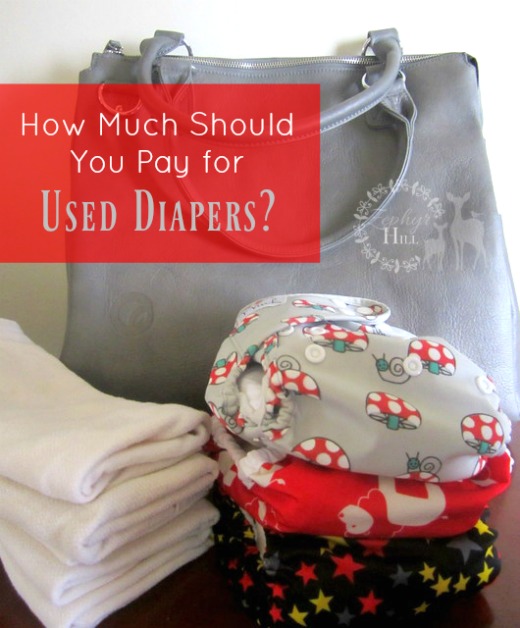
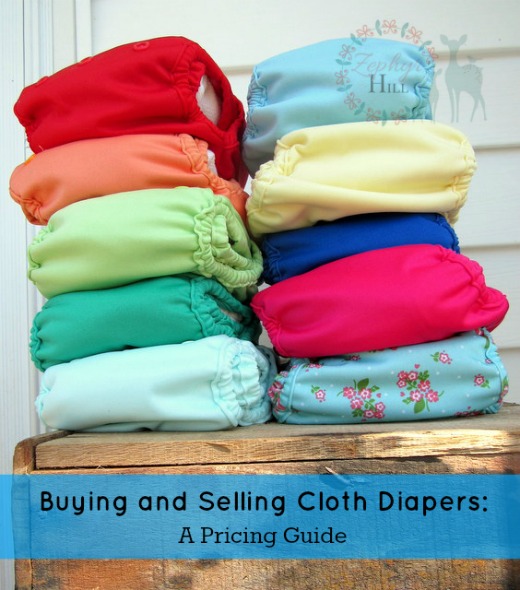
How Much Should You Pay for Used Cloth Diapers?

August 27, 2018 by Anne Marie 5 Comments

How much should you pay for used cloth diapers?
How much should you expect to get for them if you’re the seller?

Buyers want deals and sellers want fair value, so knowing the re-sale value is very important. Exactly how do you determine the price of a used cloth diaper? Two years ago, I started working on a guide for pricing used cloth diapers to help out buyers and sellers. Then came Mary Kate and I put it on the back burner. This summer, it was finally done!

If there’s one thing I’ve learned from buying and selling diapers for more than seven years it’s this – there’s no generally accepted pricing gauge. Some people refuse to pay more than 50% of the retail value, but many others are perfectly happy with shelling out 75% or more for something they really want. Either way, you are still saving money! Factors like closure types and colors can greatly affect perceived value, too.

My new pricing guide is based mainly on averages, just to give you a general idea of re-sale value.

But first, a few pointers:

SELLER TIPS

  • Be prepared to get low ball offers and don’t be offended. This happens no matter what you’re selling – used diapers or a used car!
  • Be willing to go lower as time goes by. Do you really want to keep storing the diapers?
  • Consider throwing in a small freebie to tempt buyers.

BUYER TIPS

  • Be knowledgeable about what you are buying, and use the current market for leverage (i.e. “Would you consider taking less for Diaper X because they were just discontinued and are now on clearance at most retailers?”)
  • Ask questions no matter what condition the diapers are described as being in. Even if it says “excellent condition” I will inquire about elastics, staining, etc.
  • Know when to buy new. Sometimes, the asking price is so close to retail that you might as well go ahead and get something brand new. You’ll likely also get free shipping and rewards points to boot. And don’t forget Black Friday; the deals on new diapers are amazing – sometimes more than 50% off!

Without further ado, here’s my pricing guide. Bookmark it because I’ll keep it updated! If you would like to dispute a price/value, please contact me. Thanks for your help!


Filed Under: Cloth Diapers Tagged With: buying cloth diapers, cloth diaper blue book, cloth diaper prices, cloth diaper resale, cloth diaper values, consignment diapers, secondhand diapers, selling cloth diapers, used cloth diapers

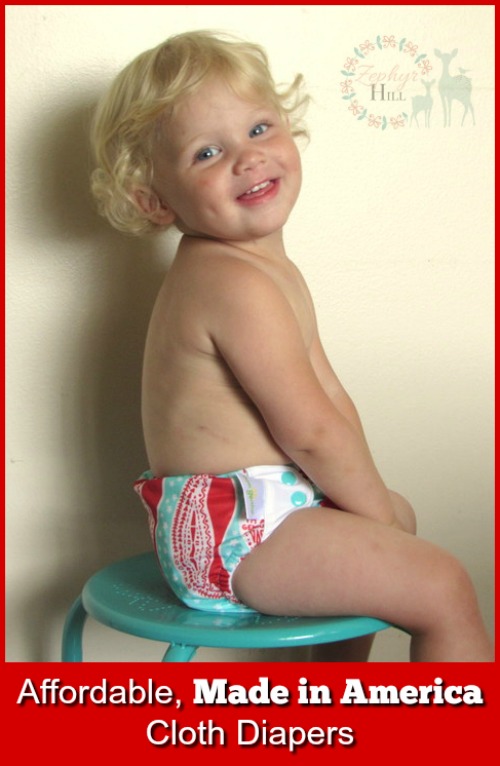
Affordable, Made in America Cloth Diapers

June 29, 2018 by Anne Marie 8 Comments

This post contains affiliate links.
Want to save money by using cloth diapers AND buy American-made products? It can be tricky, because most of the cheaper options that people recommend are imported from overseas. This includes flat diapers, prefolds and pockets.

So which cloth diapers are made in the USA but still budget-friendly? I found a selection of covers and pockets for under $12.00, plus a lot of inserts and accessories for under $5.00. Here’s my list:

Diaper Covers

Econobum diaper covers are $11.95. They are sold by Cotton Babies, and right now you can find “seconds” with slight imperfections on sale for just $9.95.

Thirsties covers (pictured below) start at $11.50. You can choose from the sized version or Duo Wrap. You can find Thirsties with free shipping at Nicki’s.

Pocket Diapers

Elemental Joy by Cotton Babies (pictured below) is an economical pocket diaper that includes one foldable flat cotton diaper to stuff inside. It retails for the great price of $8.55! The shell is made in the USA; the flat insert is manufactured in Pakistan. You can buy Elemental Joy at Nicki’s, and at Cotton Babies.

Tiny Tush Elite is a USA made pocket diaper. They are on clearance now for $11.19. As with Elemental Joy, however, the inserts are synthetic and imported.

Fitted Diapers

Osocozy cotton fitteds start at $9.50 and can be purchased at Nicki’s.

Prefolds, Flats and Inserts

Geffen Baby inserts, (pictured below) are made of a soft hemp/cotton blend, and can be purchased at Nicki’s and Diaper Junction.
Green Mountain hemp inserts are made in the USA and cost $3.75.
Thirsties Organic Cotton Doublers are sold in packs of 3 for $7.75. You can find them at Nicki’s.

TIP: Buy the American-made pocket diapers mentioned above and stuff them with these American-made inserts!

Accessories

BALM Baby and CJ’s products (ointments, wipes solutions, etc.) are both made in the USA. Find the line-up at Amazon or Nicki’s.
Geffen cloth wipes, made of a soft hemp/cotton blend, are sold at Nicki’s
Thirsties organic cloth wipes are sold in packs of 6 for $12.00. You can find them at Nicki’s
Dritz diaper pins are sold on Amazon or at Nicki’s for 75 cents each.

More Made in the USA Buying Tips

  • Choose just one item (i.e. only your covers or only the inserts) to buy American-made. You can still make a difference in a small way.
  • Support a WAHM business. You can find handmade cloth wipes, doublers and diaper balm at very affordable prices. Or, you can choose to splurge on one handmade cloth diaper, perhaps for your baby’s birthday or first Christmas.
  • Look for made in the USA products second-hand. Check Cloth Diaper Trader or Facebook B/S/T groups. You can find these popular American-made brands up to 50% off or more when buying used: Best Bottom, Blueberry, Flip, Bottombumpers, Softbums (pictured below) and bumGenius.

Any other USA brands I forgot that are budget-friendly?


Filed Under: Cloth Diapers Tagged With: affordable cloth diapers, cheap cloth diapers, cloth diapers made in the USA, made in america cloth diapers, made in the USA

  • « Previous Page
  • 1
  • 2
  • 3
  • 4
  • 5
  • …
  • 13
  • Next Page »

SOCIAL MEDIA

Newly Published

  • The Coop Upgrade Nobody Talks About Until It’s Too Late
  • Ignore the Radio Ads About Life Insurance, But Please Read This Post
  • Do Catholic Parents Have to Choose a Saint Name for Their Baby?
  • The BEST and Most Comprehensive Baby Name Books for Parents
  • Educational Games to Enjoy With Your Children

Popular Posts

  • My Home Birth Story: Full of Surprises
  • Organics by Ti Bamboo Flats Review & Giveaway
  • Home Schooling with Limited Space
  • 5 Ways to Handle Food Throwing and Messy Eating
  • Outside-the-Box, Delightful Gift Ideas for 2022

Copyright © 2026 · Zephyr Hill Blog · Design by Albemarle PR

Copyright © 2026 · Albemarle PR - Hannah Template on Genesis Framework · WordPress · Log in